
When stepping into the world of martial arts, one of the first things you'll encounter is the gi — a traditional uniform worn in many disciplines. Whether you're training in Brazilian Jiu-Jitsu (BJJ), Karate, or Judo, the gi is more than just a uniform; it's a symbol of discipline, function, and tradition. In this article, we’ll explore the world of gi martial arts, their benefits, the different styles that use the gi, and how to choose the right one for your needs.
What Are Gi Martial Arts?
gi martial arts refers to martial arts disciplines that require practitioners to wear a gi — a thick, often cotton uniform designed for durability and performance. The word "gi" comes from the Japanese term “keikogi,” which means "training clothing."
Traditionally composed of a jacket (uwagi), pants (zubon), and a belt (obi), the gi is designed to withstand grappling, throws, and intense training sessions. It's a staple in styles that focus on technique, respect, and tradition.
Benefits of Training in Gi Martial Arts
1. Improved Technique and Control
The gi provides grip points that allow for specific techniques in throws, chokes, and submissions. This helps practitioners develop a higher level of control, making their skills sharper and more refined.
2. Builds Patience and Precision
Training with a gi is slower-paced than no-gi styles. This teaches patience, timing, and precision — valuable attributes that translate beyond the mats.
3. Enhances Physical Strength
Using grips to control an opponent's gi builds grip strength, arm endurance, and core stability. Regular gi training conditions the entire body.
4. Deepens Understanding of Leverage
Because the gi allows for various grip-based techniques, students learn how to manipulate leverage — a core principle in many martial arts styles.
5. Promotes Respect and Discipline
The uniform represents more than practicality. It embodies the values of martial arts: humility, discipline, and respect for tradition and one’s training partners.
Popular Gi Martial Arts Styles
Many martial arts use the gi as a standard part of their training gear. Let’s take a closer look at some of the most prominent styles:
1. Brazilian Jiu-Jitsu (BJJ)
BJJ is a grappling-based martial art that emphasizes ground fighting, joint locks, and chokeholds. The gi is essential in BJJ because many techniques revolve around using the opponent’s gi to control and submit them.
Training in BJJ with a gi improves control, timing, and technique, while offering a clear path for belt progression and competition.
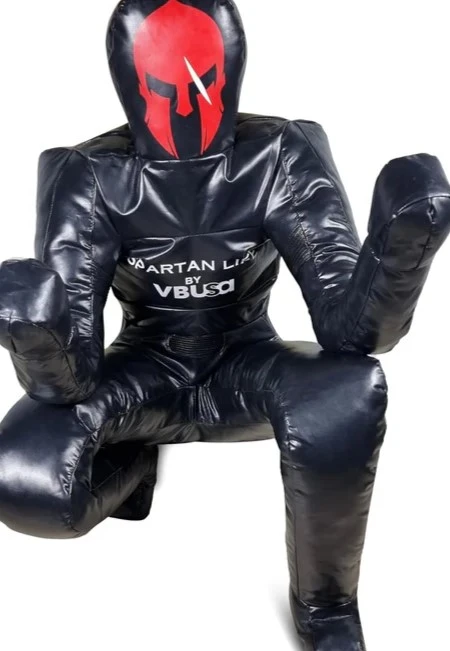
For solo practice or drilling techniques at home, many practitioners use a jiu jitsu dummy to simulate sparring partners and improve their movements and transitions.
2. Judo
Originating from Japan, Judo focuses on throwing and pinning techniques. The gi is thicker and more reinforced than in some other martial arts, as it’s subjected to constant grabbing and pulling.
Judokas use the gi to execute powerful throws and holds that rely on leverage and timing rather than brute strength.
3. Karate
Karate combines striking, kicking, and blocking techniques, and though it doesn't rely on gi grips as much as BJJ or Judo, the gi remains an important symbol of tradition and rank. Karate gis are usually lighter and less reinforced compared to Judo or BJJ gis.
4. Aikido
Aikido is a defensive martial art that focuses on redirecting an attacker’s energy. The gi here is used mainly for tradition and to promote a professional training environment.
5. Traditional Japanese Jiu-Jitsu
This style is the predecessor to modern BJJ and includes a blend of striking, throws, and submissions. Like BJJ and Judo, it makes extensive use of the gi in training.
How to Choose the Right Gi
Selecting the right gi depends on the martial art you practice, your level of experience, and personal preferences. Here's what to consider:
1. Material and Weave Type
- Single Weave: Lightweight and breathable, ideal for beginners.
- Double Weave: Heavier and more durable — great for experienced practitioners.
- Gold Weave & Pearl Weave: Offer a balance between durability and weight, preferred by many BJJ athletes.
2. Size and Fit
Each martial art has different gi standards. BJJ gis are more fitted, while Judo gis tend to be bulkier for grip-intensive training. Always consult the brand’s sizing chart before buying.
3. Reinforcement
Look for reinforced stitching at stress points like knees, collars, and shoulders, especially if you're doing a grappling-heavy art like BJJ or Judo.
4. Collar Thickness
A thicker collar makes it harder for opponents to grip and choke you — a feature often appreciated in competition settings.
5. IBJJF or Competition Compliance
If you're planning to compete, make sure your gi is approved by relevant organizations like the IBJJF or your sport's governing body.
What to Wear With a Gi
Besides the gi itself, you might want to consider additional gear to enhance your training experience:
Rash Guard
Worn under the gi to prevent rashes, wick sweat, and reduce friction.
Mouthguard
Essential for protecting your teeth during intense rolling or sparring.
Groin and Chest Protection
Optional but recommended for safety during live sparring sessions.
Gi vs. No-Gi: Which Should You Choose?
In Brazilian Jiu Jitsu Dummy and other grappling styles, you'll often hear the debate between gi and no-gi training.
Gi Training
- Focuses on grip-based techniques.
- Emphasizes slower, more technical rolls.
- Builds a foundation in traditional martial arts etiquette.
No-Gi Training
- Faster-paced and more athletic.
- No reliance on gi grips.
- Common in MMA and submission wrestling.
If you're planning to transition into MMA or want a more practical, real-world application, no-gi might appeal more. However, gi martial arts offer deeper technical development, making them ideal for learning the fundamentals.
Caring for Your Gi
A properly maintained gi lasts longer and stays hygienic. Here are a few care tips:
- Wash after every session in cold water.
- Hang dry to avoid shrinking.
- Avoid bleach or harsh detergents.
- Use white vinegar in the wash occasionally to remove odor.
Common Mistakes to Avoid
- Buying the wrong size: Always check the brand-specific chart.
- Using a karate gi for BJJ or Judo: Karate gis aren’t built for grappling.
- Not washing the gi after training: Leads to bacterial growth and odor.
- Neglecting to trim nails: Can tear the gi and hurt training partners.
Conclusion:
Whether you’re a newcomer or a seasoned practitioner, gi martial arts offer an unmatched blend of tradition, technique, and growth. From mastering grip control in BJJ to throwing opponents in Judo, the gi plays a central role in shaping your journey.
Choosing the right gi enhances your training experience, and incorporating tools like a jiu jitsu dummy or protective mma headgear can further elevate your performance and safety. No matter your martial arts path, training in the gi fosters discipline, humility, and resilience — qualities that benefit both the fighter and the person.