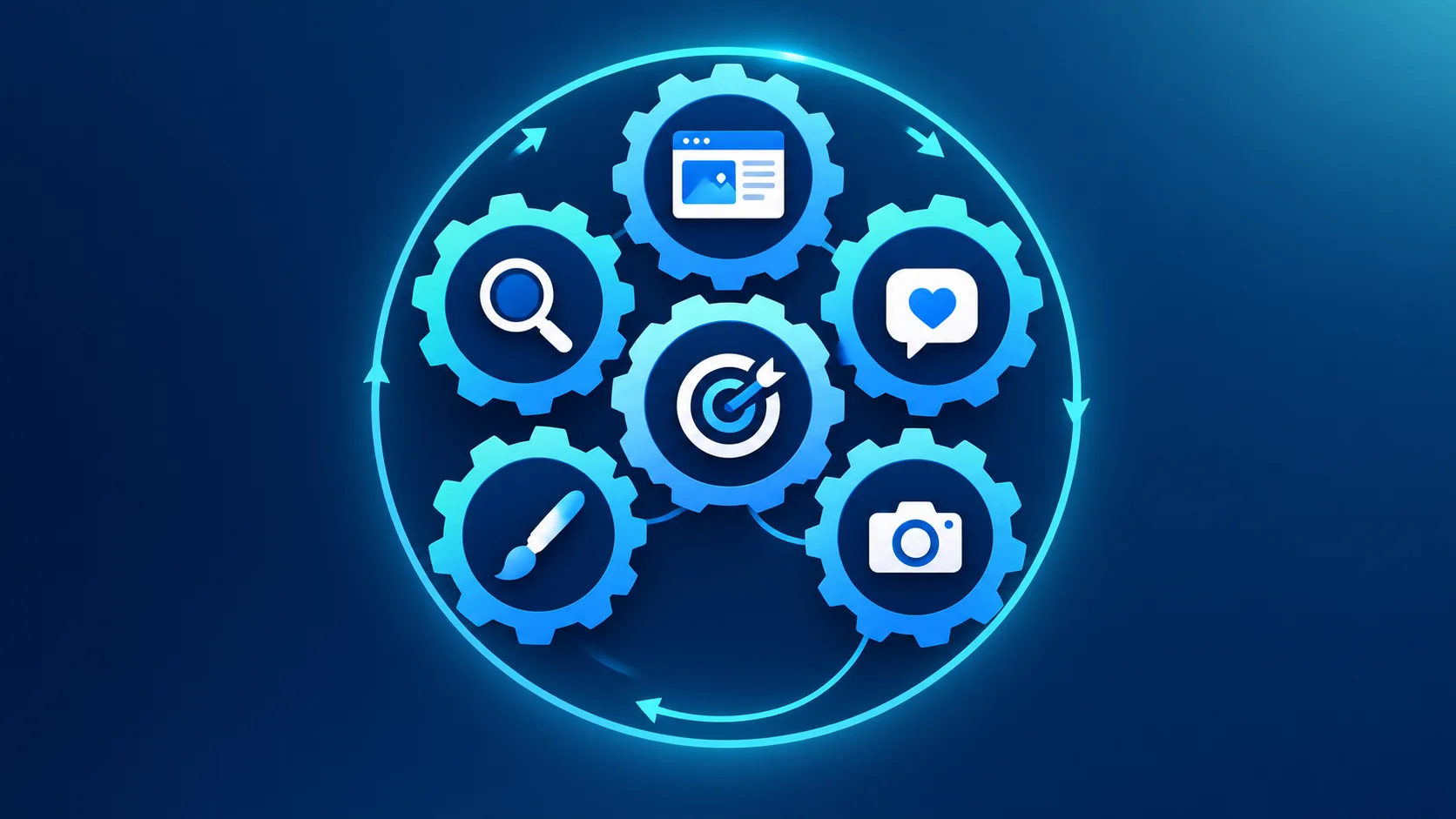
Digital marketing helps businesses attract interested prospects, build trust, and convert attention into revenue through consistent engagement.
A structured approach to leads generation improves visibility, strengthens credibility, and connects brands with customers actively searching for solutions.
Instead of relying on unpredictable outreach, professionals can combine content, search optimization, email automation, and social platforms to create sustainable growth.
When every campaign is measured and refined, organizations achieve better customer relationships, stronger conversion rates, and long-term business success.
How to Generate High-Quality Leads
High-quality leads come from understanding customer needs, creating valuable content, and delivering solutions at the right stage of the buying journey.
Businesses should identify audience pain points, develop educational resources, and optimize every touchpoint for engagement.
Combining search visibility, persuasive messaging, and strategic nurturing improves conversions while supporting lead generation for sales through qualified prospects rather than unqualified traffic.
What is a lead?
A lead is an individual or organization that has shown genuine interest in a company's products or services. Interest may be demonstrated by completing a contact form, subscribing to a newsletter, requesting a consultation, or downloading valuable resources.
Qualified leads possess characteristics that align with business goals, making future communication more relevant and increasing opportunities for successful customer acquisition.
What is lead generation?
Lead generation is the systematic process of attracting, engaging, and converting potential customers into interested prospects ready for further communication.
Businesses use multiple online channels, including websites, social media, search engines, and email campaigns, to encourage meaningful interactions.
Effective sales lead generation combines valuable information, persuasive offers, and consistent follow-up to transform curiosity into genuine buying intent. Visit Us www. brandpitchers.com
Why is lead generation important?
Lead generation creates a reliable pipeline of prospective customers, reducing dependence on unpredictable referrals or cold outreach. Consistent acquisition of qualified prospects supports business stability, improves forecasting accuracy, and strengthens long-term profitability.
Companies investing in strategic leads generation establish stronger customer relationships while maintaining a continuous flow of opportunities that support sustainable business expansion.
Benefits of applying digital marketing strategies
1. Targeted reach
Digital marketing enables businesses to reach audiences based on demographics, interests, search intent, and online behavior. Targeted campaigns improve relevance and increase conversion potential.
2. Scalability:
Businesses can expand successful campaigns without rebuilding entire marketing systems. Digital platforms support growth while maintaining consistent customer experiences.
3. Cost efficiency:
Marketing budgets become more effective because businesses invest in channels delivering measurable performance instead of relying on expensive traditional advertising alone.
4. Personalization:
Personalized content, recommendations, and communications improve customer engagement, strengthen trust, and increase conversion opportunities across every interaction.
5. Measurable ROI:
Real-time analytics reveal campaign performance, allowing businesses to optimize spending, improve messaging, and make informed marketing decisions supported by accurate data.
Digital marketing strategies to boost lead generation
Strategy 1: Content marketing that converts
Educational blogs, downloadable resources, videos, webinars, and practical guides establish authority while answering customer questions.
High-value content builds trust before purchase decisions and encourages visitors to take meaningful action.
Businesses seeking generating leads b2b should prioritize industry-specific insights that demonstrate expertise and solve real business challenges.
Key tactics:
Create solution-focused articles, optimize landing pages, include persuasive calls-to-action, offer valuable downloadable resources, and consistently publish content aligned with customer interests.
Search Engine Optimization (SEO) and Intent
SEO connects businesses with users actively searching for products, services, or solutions. Optimizing for relevant intent improves visibility, attracts qualified visitors, and supports consistent organic growth.
Focus on high-intent keywords
Prioritize search phrases indicating buying intent, service comparisons, or solution research. Well-structured content addressing these searches improves engagement and supports generating sales leads effectively.
Optimize technical performance:
Improve website speed, mobile responsiveness, internal linking, secure browsing, and structured navigation to enhance user experience and search engine rankings.
Claim local presence
Optimize business profiles, maintain consistent contact information, collect authentic reviews, and create location-focused content to improve local search visibility.
Conversational and Interactive Lead Capture
Interactive forms, live chat, chatbots, calculators, and quizzes simplify communication while encouraging visitors to share information naturally.
Calls-to-action (CTAs):
Use clear, benefit-focused CTAs that encourage consultations, demonstrations, downloads, or contact requests while guiding visitors toward meaningful business interactions.
Strategy 3: Automated email marketing
Why it matters:
Automation maintains consistent communication, nurtures relationships, and delivers personalized experiences that encourage prospects to move confidently through the purchasing journey.
Key tactics:
Develop valuable email content aligned with customer interests and buying stages while continuously monitoring engagement metrics.
Welcome sequences:
Introduce your business, explain your value, and provide helpful resources that establish credibility from the first interaction.
Behavioural triggers:
Automatically respond to user actions such as downloads, page visits, or abandoned inquiries with relevant follow-up communications.
Segmentation:
Organize contacts based on interests, behaviour, industry, or purchasing stage to improve message relevance and campaign effectiveness.
Re-engagement campaigns:
Reconnect inactive subscribers through exclusive resources, personalized recommendations, and valuable educational content encouraging renewed engagement.
Tools to use:
Reliable automation platforms simplify campaign management, personalization, analytics, and customer relationship development.
Mail Chimb
Supports email creation, audience management, and campaign reporting for growing businesses.
Active Campaign
Provides advanced automation, behavioural tracking, and customer journey management for personalized communication.
Hubspot
Combines CRM, marketing automation, analytics, and sales tools to improve generate leads initiatives and customer engagement.
Strategy 5: Data-driven social media strategy
Why it matters:
Strategic social media strengthens brand visibility, encourages conversations, and supports generating leads b2b through consistent professional engagement.
Content calendar:
Maintain regular publishing schedules that balance educational, promotional, and community-focused content.
Key tactics:
Create valuable posts, encourage discussions, showcase expertise, and maintain consistent brand messaging.
Engagement:
Respond quickly to comments, questions, and messages while building authentic relationships with followers.
Use analytics:
Evaluate audience behavior, engagement, and conversions to refine future marketing decisions.
LinkedIn:
Share industry expertise, professional insights, and networking opportunities that strengthen business credibility.
Instagram:
Publish visually engaging content that highlights brand personality, customer success, and educational resources supporting the generation of sales leads.
Share Chat
Reach regional audiences with localised content to improve engagement and expand digital visibility.
Embrace strategic digital marketing for sustainable lead growth
Sustainable business growth requires consistent optimization, valuable content, measurable performance, and customer-focused engagement. Organizations that combine SEO, automation, analytics, and relationship-building create predictable opportunities while improving sales lead generation effectiveness.
A strategic digital marketing approach builds stronger customer trust, supports continuous improvement, and delivers lasting competitive advantages in evolving online markets.