
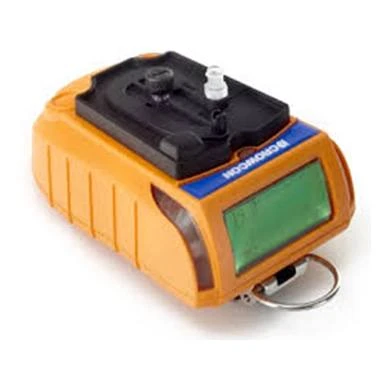
Whether in manufacturing facilities, construction sites, laboratories or confined spaces, undetected gas leaks can lead to serious health risks, fires, explosions and environmental damage. Implementing reliable gas detection systems helps identify potential dangers early and allows immediate action to prevent incidents.
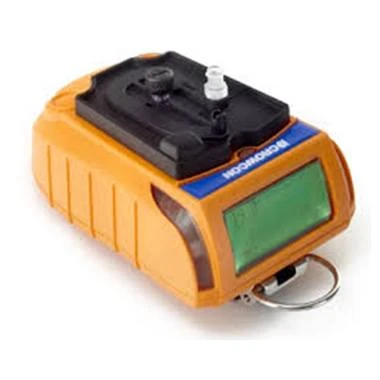
Hazardous gases are generally classified into three main categories: toxic, flammable and oxygen-related risks. Toxic gases such as carbon monoxide and hydrogen sulphide can cause severe illness or fatality when inhaled in high concentrations. Flammable gases increase the risk of ignition or explosion if they accumulate in enclosed areas. Oxygen-deficient or oxygen-enriched environments can also be extremely dangerous, affecting breathing and increasing combustion risks. Gas detection systems are designed to monitor these threats and trigger alarms when gas levels exceed safe thresholds.
There are two primary types of gas detection systems: portable and fixed. Portable detectors are compact devices worn or carried by workers operating in high-risk areas. They provide real-time monitoring and immediate alerts through audible, visual or vibrating alarms. Fixed gas detection systems are installed permanently within facilities to offer continuous monitoring. These systems are often integrated with broader safety controls, such as ventilation systems or automatic shutdown mechanisms, to enhance overall protection.
Different sensing technologies are used depending on the gas type and application. Electrochemical sensors are commonly used to detect toxic gases due to their accuracy and sensitivity. Catalytic bead sensors are effective for monitoring combustible gases, while infrared sensors are often used for hydrocarbon detection. Selecting the appropriate sensor technology ensures accurate measurements and dependable performance. Regular calibration and maintenance are essential to maintain reliability and compliance with safety standards.
Effective gas detection involves more than simply installing equipment. A thorough risk assessment should be conducted to identify potential hazard zones and determine optimal detector placement. Proper staff training is equally important, ensuring workers understand alarm signals and know the correct emergency response procedures. Routine inspections and functional testing further support system integrity and long-term performance.
Gas detection is particularly vital in industries such as oil and gas, mining, chemical processing, wastewater treatment and food manufacturing. In these environments, even a small leak can escalate rapidly if left undetected. Early warning systems reduce downtime, prevent equipment damage and, most importantly, protect lives.
By prioritising gas detection and maintaining robust monitoring systems, organisations demonstrate a strong commitment to workplace safety. Proactive detection strategies not only reduce risk but also contribute to a safer, more compliant and efficient operational environment.