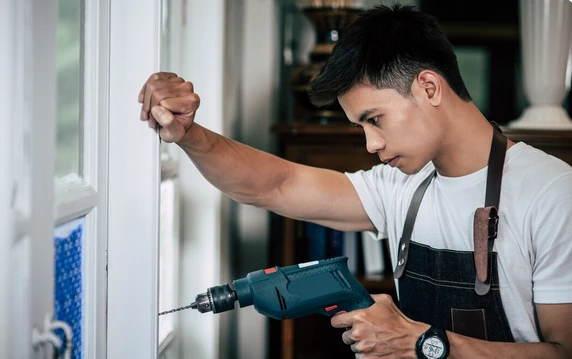
A garage door is more than just an entry point for vehicles; it is a critical component of a home’s security, functionality, and curb appeal. Proper installation ensures that the door operates safely, efficiently, and reliably for years to come. Whether you are replacing an old door or installing a new one, following the right steps is essential. Professional garage door installation services can provide expert guidance, but understanding the process helps homeowners make informed decisions and prepare adequately.
Importance of Professional Garage Door Installation
Garage doors are heavy and complex mechanical systems. Improper installation can lead to operational issues, safety hazards, and costly repairs. Professional garage door installation ensures:
- Safety: Trained technicians handle high-tension springs, cables, and openers, reducing the risk of injury.
- Reliability: Proper installation prevents misalignment, excessive wear, and repeated malfunctions.
- Enhanced Security: A correctly installed door improves home security and reduces the risk of break-ins.
- Long-Term Value: Expert installation protects your investment and extends the life of the garage door.
Choosing the Right Garage Door
Before installation, selecting the right type of garage door is crucial. Consider the following factors:
1. Material
Garage doors come in various materials, including steel, aluminum, wood, and composite. Each offers unique benefits:
- Steel: Durable, low maintenance, and available in a variety of finishes.
- Aluminum: Lightweight and resistant to rust, suitable for modern designs.
- Wood: Offers a classic aesthetic but requires regular maintenance.
- Composite: Combines the look of wood with durability and low upkeep.
2. Style and Design
The door’s design should complement your home’s exterior. Options include sectional, roller, side-hinged, and tilt-up doors. Custom designs can enhance curb appeal, while standard models provide affordability and practicality.
3. Insulation
Insulated doors improve energy efficiency, reducing heating and cooling costs. This is especially important for garages attached to the home, where temperature control impacts overall comfort.
4. Security Features
Modern garage doors include advanced locking systems, reinforced panels, and secure openers. Choosing a door with enhanced security features provides peace of mind and protection against intruders.
Preparing for Garage Door Installation
Proper preparation ensures a smooth and efficient installation process:
1. Measure the Space
Accurate measurements of the door opening are critical. Measure width, height, and the distance from the ceiling to the floor. Proper measurements prevent delays and ensure the new door fits perfectly.
2. Clear the Area
Remove obstacles, vehicles, and debris from the garage and surrounding area. This provides safe working space for technicians and ensures the installation process proceeds efficiently.
3. Check Electrical Requirements
Automatic garage doors require power for openers. Ensure an electrical outlet is nearby, or arrange for professional wiring to meet the opener’s requirements.
4. Inspect the Foundation and Frame
The garage door frame and foundation must be level and sturdy. Uneven floors or weak structures can compromise door performance. Address any issues before installation begins.
Steps in a Professional Garage Door Installation
Professional garage door installation involves several key steps:
1. Remove the Old Door
If replacing an existing door, technicians carefully dismantle and remove it. This includes detaching springs, cables, tracks, and the opener.
2. Assemble the New Door
Sections or panels of the new door are assembled on-site. This ensures proper alignment and minimizes damage during handling.
3. Install Tracks and Hardware
Tracks are secured to the walls and ceiling, providing a guide for the door. All hardware, including rollers, hinges, and brackets, is installed and tightened to manufacturer specifications.
4. Install Springs and Cables
Springs and cables balance the door’s weight and allow smooth opening and closing. Professional installation ensures proper tension and alignment, critical for safety and functionality.
5. Attach the Door to the Tracks
Technicians carefully guide the door onto the tracks, making adjustments for smooth movement. Misaligned doors can cause excessive wear or operational issues.
6. Install the Opener
For automatic doors, the motorized opener is installed and connected to the door. Technicians test the system, set limits, and ensure the door responds correctly to remote controls and wall-mounted switches.
7. Test and Adjust
The final step includes multiple tests to ensure smooth operation, proper alignment, and safety. Sensors, auto-reverse mechanisms, and manual operation are checked thoroughly.
Common Challenges and How Professionals Handle Them
Even experienced homeowners may encounter challenges during installation. Professional garage door installation services address issues such as:
- Uneven Floors: Technicians level tracks or adjust the frame to ensure proper operation.
- Incorrect Measurements: Experts confirm dimensions and make on-site adjustments if needed.
- Heavy Doors: Professionals use specialized equipment to lift and secure heavy doors safely.
- Spring Tension: Properly handling high-tension springs requires training to avoid accidents.
Maintenance Tips for Longevity
After installation, regular maintenance keeps your garage door operating smoothly:
- Lubricate Moving Parts: Rollers, hinges, and springs should be lubricated periodically.
- Inspect Tracks and Hardware: Tighten loose bolts, check for bends, and ensure alignment.
- Clean the Door Surface: Remove dirt and debris to prevent corrosion or damage.
- Test the Opener and Safety Features: Ensure auto-reverse, sensors, and remote functions work properly.
- Schedule Professional Inspections: Annual check-ups help detect minor issues before they escalate.
Benefits of Professional Garage Door Installation
Hiring trained technicians provides several advantages:
- Expertise: Professionals understand different door types, materials, and mechanisms.
- Safety: Reduces the risk of injury when handling heavy doors and high-tension springs.
- Efficiency: Technicians complete installation quickly and correctly.
- Reliability: Proper installation prevents operational issues and extends door lifespan.
- Peace of Mind: Homeowners can trust the door will function safely and effectively.
Conclusion
Garage door installation is a critical investment in home safety, convenience, and curb appeal. Choosing the right door, preparing the space, and hiring professional services ensure a smooth, efficient process. Proper installation, combined with regular maintenance, guarantees long-lasting performance, security, and aesthetic appeal. Expert garage door installation services provide homeowners with reliable, safe, and efficient solutions, ensuring that their garage doors operate seamlessly for years to come.