
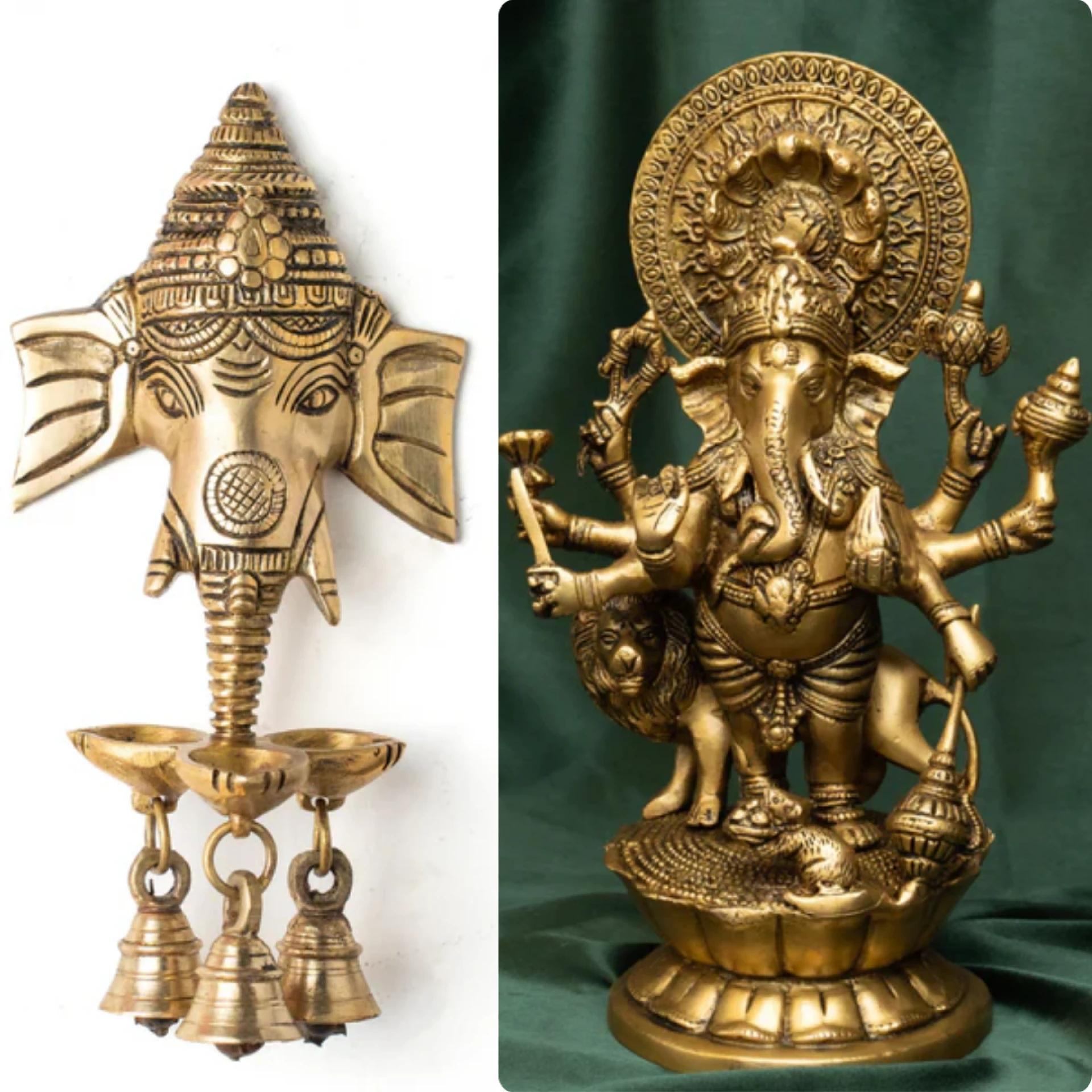
The Ganesh idol holds a central place in Hindu tradition as the remover of obstacles and the symbol of wisdom, prosperity, and new beginnings. While white, gold, red, and brass forms are more commonly seen, the Ganesha statue in black color often raises questions among people. Many wonder whether a black-colored idol is spiritually appropriate or inauspicious for the home. This belief mostly arises from social myths associated with the color black, rather than from religious texts or traditional practices.
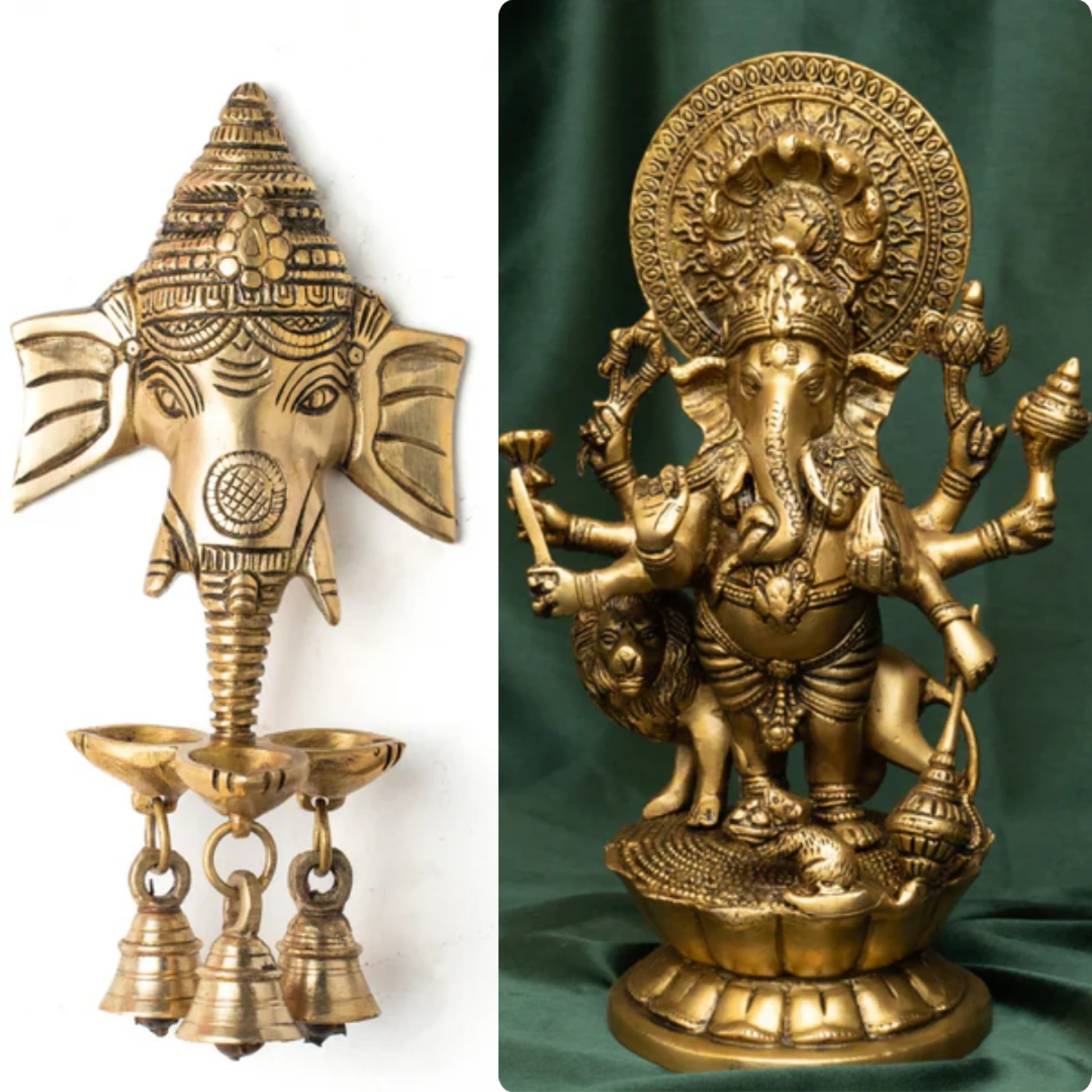
In Hindu philosophy, the color black is not considered negative by nature. In fact, it represents cosmic power, protection, and transformation. Deities like Lord Krishna and Goddess Kali are deeply associated with dark or black tones, symbolizing infinite energy and divine strength. When viewed through this cultural lens, a black Ganesha statue aligns naturally with Hindu symbolism and does not carry any inherent inauspicious meaning.
Traditionally, god idols have been crafted in various natural materials, including granite, basalt, black marble, and dark-patinated metals. These materials were chosen not for color symbolism alone, but for durability, ritual purity, and availability. In many temples across South India, dark stone idols are commonly worshipped and are considered sacred. The use of black stone for a Ganesh idol is therefore rooted in tradition rather than modern design trends.
Spiritually, black is believed to absorb negative energy. In Hindu rituals, black elements such as black sesame seeds, black beads, and protective marks are used specifically for protection and energy shielding. This belief directly supports the idea that a black Ganesha statue is not only auspicious but also energetically protective when placed with respect and cleanliness.
From a symbolic perspective, the elephant head of Lord Ganesha itself naturally connects to darker tones. Elephants are grey to dark in color, making black or dark stone representations of Ganesha visually and symbolically aligned with his natural form. This further reinforces the cultural logic behind black Ganesh idols.
In modern homes, a black Ganesha statue is increasingly used both for worship and decor. Many people place it as an antique showpiece for living room spaces, where it serves both spiritual and aesthetic purposes. Its deep color, polished surface, and timeless appearance allow it to blend well with contemporary interiors while maintaining cultural significance. This dual role as both sacred object and design element has made black Ganesha idols more widely accepted.
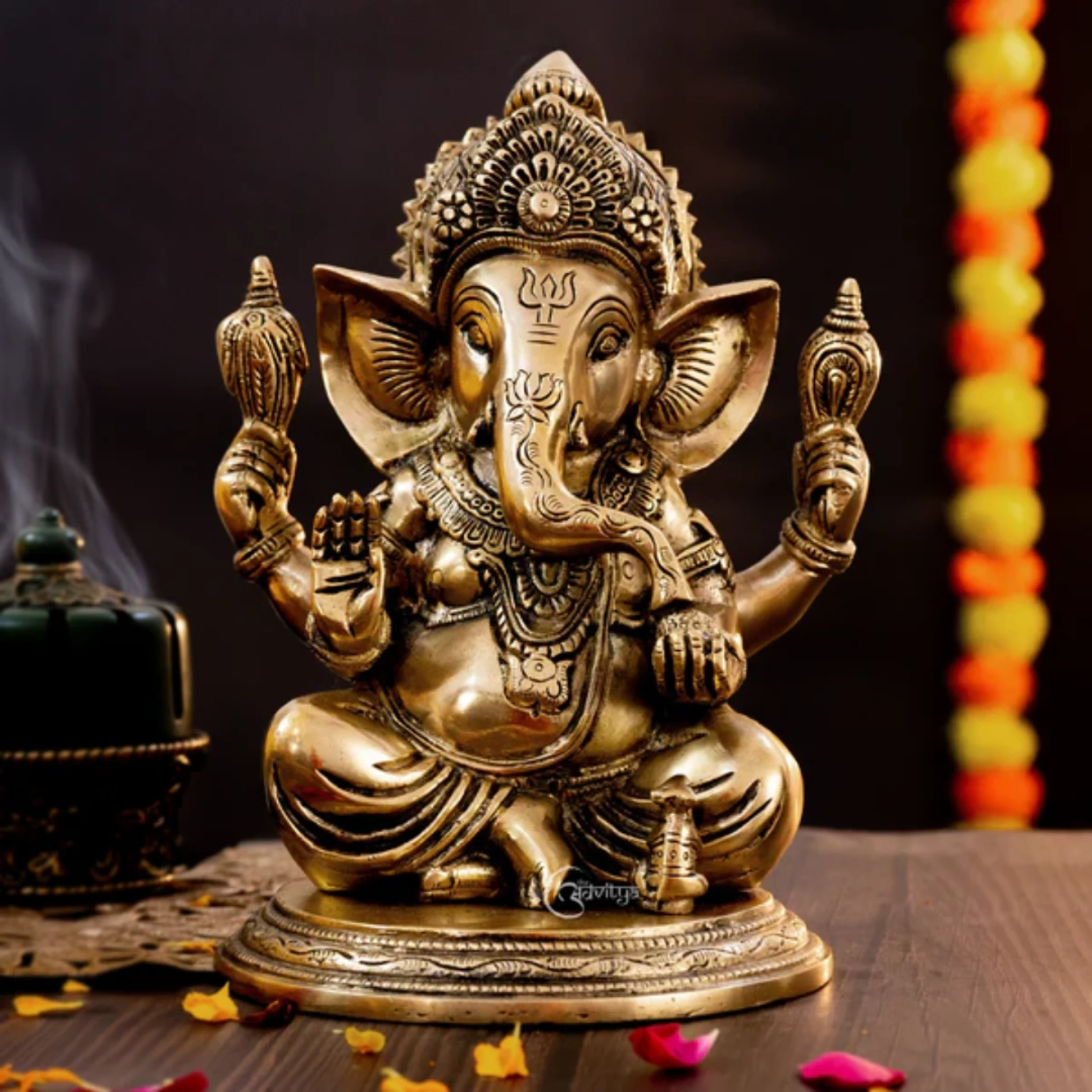
Placement and intention play a more important role than color in determining auspiciousness. According to traditional beliefs, cleanliness, respectful placement, and regular care are essential for any god idol. A black Ganesh idol, when placed in a clean space, positioned according to basic Vaastu principles, and maintained with devotion, is considered spiritually positive and beneficial.
Culturally, Hindu beliefs do not label a black ganesha statue as inauspicious. On the contrary, black is associated with protection, absorption of negativity, and divine power. The hesitation around black idols comes more from social perception than from religious doctrine. Historically, black stone and dark metal idols have always been part of Indian temple traditions and household worship.
In conclusion, a black ganesh idol is considered auspicious according to Hindu beliefs when understood in its true cultural and spiritual context. It represents strength, protection, stability, and transformation. Whether placed as a sacred figure in a prayer space or as an antique showpiece for living room decor, a black ganesha statue carries both symbolic depth and cultural legitimacy. Like all god idols, its true power lies not in its color, but in the respect, intention, and faith with which it is placed and worshipped.