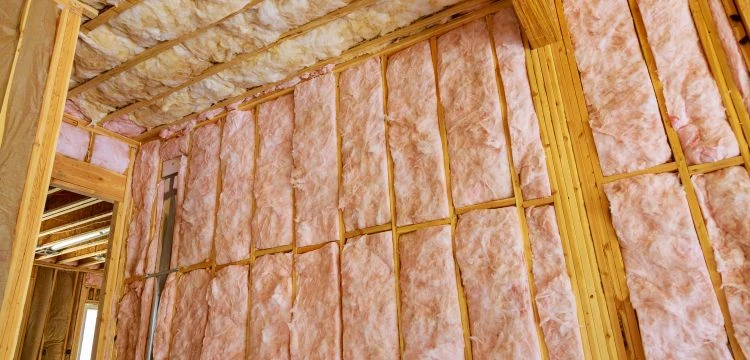
The construction and industrial sectors are undergoing rapid transformation driven by energy efficiency goals, environmental regulations, and technological innovation. Buildings are expected to consume less energy, reduce carbon emissions, and provide superior comfort. As a result, insulation systems are evolving beyond traditional materials and methods. The future of Thermal Insulation technology is shaped by smart materials, sustainability priorities, and high-performance solutions designed to meet modern demands.
Growing Demand for Energy-Efficient Buildings
One of the strongest drivers of innovation in insulation technology is the global focus on energy conservation. Governments and regulatory bodies are introducing stricter building codes to reduce energy consumption. Net-zero energy buildings and green construction standards are becoming mainstream rather than optional.
Future insulation materials will be designed to deliver higher R-values with thinner profiles. This means better thermal resistance without increasing wall thickness or structural load. Advanced formulations and improved manufacturing processes will allow buildings to maintain stable indoor temperatures while minimizing heating and cooling costs. Energy modeling tools and building performance simulations will further influence the development of next-generation insulation systems.
Emergence of Smart Insulation Materials
Smart materials represent one of the most exciting advancements in insulation technology. These materials can adapt to environmental changes, improving efficiency in dynamic conditions. For example, phase change materials (PCMs) are being integrated into insulation systems. They absorb, store, and release heat as temperatures fluctuate, helping maintain consistent indoor climates.
Future developments may include insulation systems that respond automatically to humidity or temperature shifts. Such adaptive solutions will enhance comfort and reduce reliance on mechanical HVAC systems. As sensor technology becomes more affordable, smart insulation could be integrated into connected building systems, providing real-time performance data and predictive maintenance insights.
Aerogels and High-Performance Materials
Aerogels are gaining attention as ultra-lightweight materials with exceptional thermal resistance. Known for their extremely low thermal conductivity, aerogels provide superior insulation in thin layers. Although currently more expensive than traditional materials, ongoing research and scaling of production are expected to make them more cost-effective.
In addition to aerogels, vacuum insulation panels (VIPs) are emerging as high-performance options for specialized applications. These panels offer significantly higher insulation values compared to conventional materials. As manufacturing processes improve, such advanced solutions may become more widely available for residential and commercial use.
Sustainability and Eco-Friendly Innovations
Sustainability is no longer a trend but a core requirement in construction. Future insulation technologies will focus heavily on reducing environmental impact throughout their lifecycle. This includes responsible sourcing of raw materials, energy-efficient production methods, and recyclability at the end of use.
Bio-based insulation materials derived from renewable resources are gaining popularity. Innovations in plant-based fibers, recycled content, and low-emission binders are helping reduce carbon footprints. Circular economy principles are also influencing product design, encouraging reuse and recycling rather than disposal.
Low embodied energy and reduced greenhouse gas emissions will become key performance indicators for insulation materials. Builders and developers will increasingly select products that align with environmental certifications and sustainability benchmarks.
Improved Fire and Safety Standards
As urbanization increases and buildings grow taller and more complex, fire safety becomes even more critical. Future insulation technologies will incorporate enhanced fire-resistant properties without compromising thermal performance.
Research is focused on developing non-combustible materials that emit minimal smoke and toxic gases during fire exposure. Improved testing standards and stricter regulations will drive innovation in safer insulation products. Advanced coatings and hybrid systems may also enhance fire resistance while maintaining structural integrity.
Integration with Modern Construction Methods
The construction industry is adopting prefabrication and modular building techniques to improve efficiency and reduce waste. Insulation technology must adapt to these methods. Pre-insulated panels, composite systems, and integrated insulation components are becoming more common in factory-built structures.
Digital design tools such as Building Information Modeling (BIM) allow precise calculation of insulation requirements during the planning stage. This integration reduces material waste and ensures optimal performance. In the future, insulation products will be designed specifically for seamless integration with automated manufacturing and modular construction systems.
Enhanced Moisture and Air Barrier Solutions
Future insulation systems will not only focus on thermal performance but also on comprehensive building envelope protection. Moisture control and air sealing are critical for preventing energy loss and structural damage.
Innovative multi-functional materials that combine insulation, vapor barriers, and air sealing in a single system are likely to gain popularity. These integrated solutions will simplify installation while improving overall building performance. Advanced membranes and breathable materials will allow better moisture management without compromising thermal resistance.
Cost Efficiency Through Technological Advancements
While advanced materials may initially appear costly, technological advancements are expected to reduce production expenses over time. Automation, improved manufacturing techniques, and increased demand will help lower prices.
In addition, lifecycle cost analysis is becoming more important in construction decision-making. Future insulation technologies will emphasize long-term savings through reduced energy consumption, lower maintenance needs, and extended building lifespan. As awareness grows, stakeholders will prioritize value over upfront cost alone.
The Role of Research and Innovation
Continuous research and development will remain central to the evolution of insulation technology. Collaboration between scientists, engineers, and construction professionals will drive breakthroughs in material science and application methods.
Nanotechnology, improved material composites, and advanced testing methods will further enhance performance capabilities. The future may also bring customizable insulation solutions tailored to specific climate zones and building types.
Conclusion: A Future Focused on Performance and Responsibility
The future of insulation technology is defined by innovation, sustainability, and performance optimization. As buildings become smarter and more energy-conscious, insulation systems must evolve to meet these expectations. Advanced materials, smart solutions, improved safety features, and environmentally responsible practices will shape the next generation of products.
By embracing cutting-edge developments and prioritizing efficiency, the industry is moving toward insulation solutions that not only conserve energy but also contribute to safer, more sustainable, and resilient built environments.