Electrical installations are the backbone of modern infrastructure, powering homes, businesses, and industries. Ensuring their safety and reliability is critical, and one often-overlooked component that plays a vital role is the fuse carrier. This small but essential device protects electrical systems from damage, enhances safety, and ensures operational efficiency. In this blog, we’ll explore why fuse carriers are indispensable in electrical installations, their practical benefits, and their role in modern electrical systems, written with high readability to engage a wide audience.
What Is a Fuse Carrier?
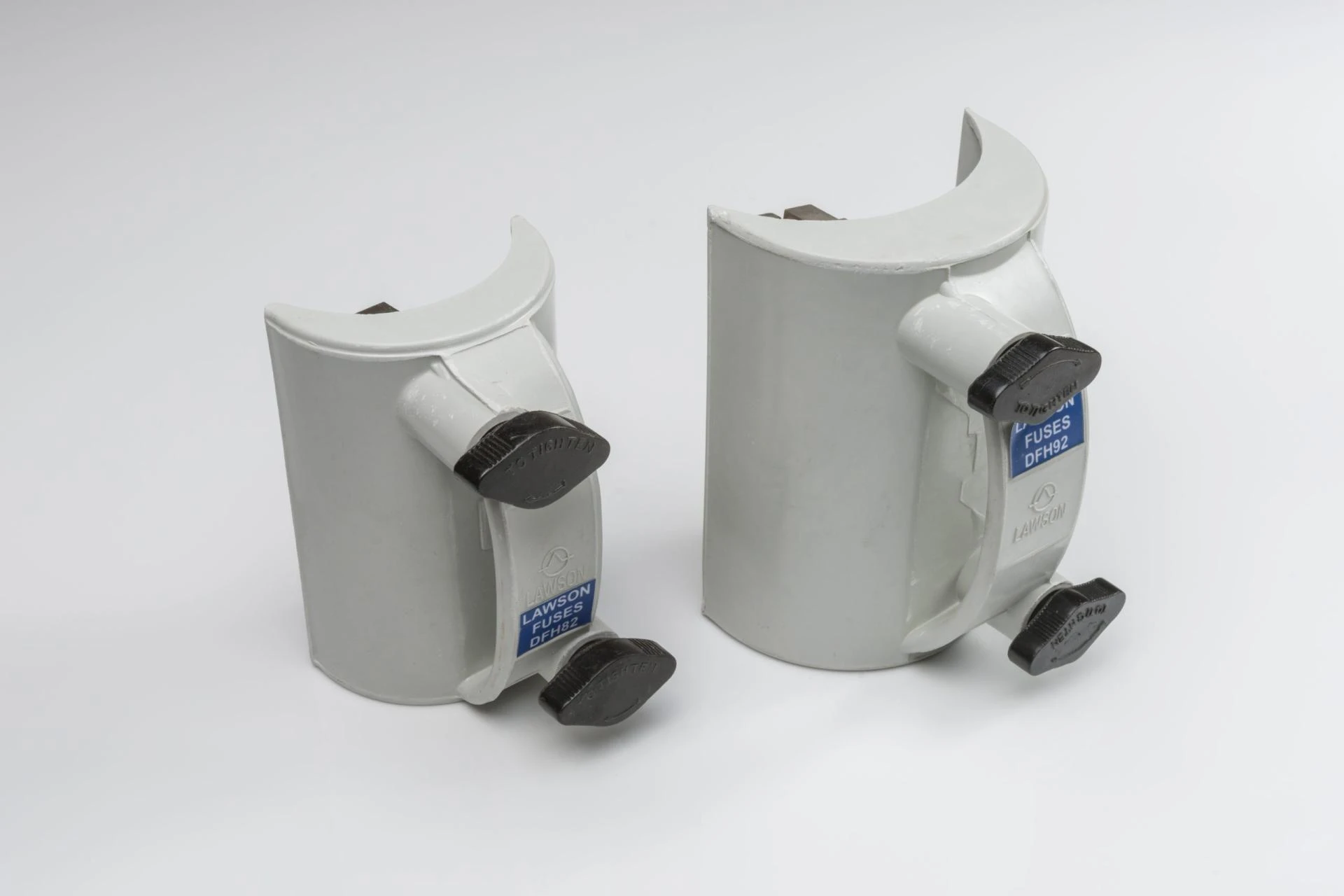
A fuse carrier is a device that holds and connects a fuse within an electrical circuit. Fuses are safety components designed to protect circuits by breaking the flow of electricity when a fault, such as an overload or short circuit, occurs. The fuse carrier provides a secure housing for the fuse, allowing it to be easily installed, removed, or replaced without exposing users to live electrical components. It acts as an intermediary between the fuse and the electrical system, ensuring safe and reliable operation.
Fuse carriers are found in various applications, from residential fuse boxes to industrial control panels. They come in different designs, such as plug-in, cartridge, or DIN rail-mounted carriers, each tailored to specific electrical needs. Their simplicity and effectiveness make them a cornerstone of electrical safety.
Enhancing Electrical Safety
The primary reason fuse carriers are essential is their role in ensuring electrical safety. Electrical faults, like overloads or short circuits, can lead to fires, equipment damage, or even electrocution. A fuse carrier, by securely holding the fuse, ensures that the fuse can perform its protective function effectively.
When an electrical fault occurs, the fuse within the carrier melts or “blows,” interrupting the circuit and preventing excessive current from damaging wiring or equipment. Without a fuse carrier, replacing a blown fuse would require direct interaction with live wires, posing significant risks. The carrier isolates the fuse, allowing safe replacement and minimizing the chance of electrical shock. According to the U.S. Fire Administration, electrical malfunctions cause over 25,000 fires annually in the U.S., highlighting the importance of reliable safety components like fuse carriers.
Preventing Equipment Damage
Beyond safety, fuse carriers help protect valuable electrical equipment. Modern homes and businesses rely on expensive devices, from computers to industrial machinery, that can be damaged by power surges or faults. A fuse carrier ensures that the fuse can quickly disconnect the circuit during an overload, safeguarding equipment from excessive current.
For example, in a manufacturing facility, a sudden power surge could damage sensitive machinery costing thousands of dollars. A properly installed fuse carrier with the right fuse rating prevents this by cutting off the circuit before damage occurs. This not only saves repair costs but also reduces downtime, ensuring business continuity. A 2024 report by the National Electrical Manufacturers Association (NEMA) notes that proper circuit protection can extend equipment lifespan by up to 20%, underscoring the fuse carrier’s role in equipment longevity.
Simplifying Maintenance and Replacement
Fuse carriers make maintenance and troubleshooting straightforward, which is crucial for both residential and commercial electrical systems. When a fuse blows, the carrier allows technicians or homeowners to replace it quickly without dismantling the entire system. This ease of access reduces maintenance time and costs.
In older electrical systems, fuses were often hardwired, requiring skilled electricians to replace them. Modern fuse carriers, such as those in consumer units or distribution boards, are designed for user-friendly operation. For instance, a plug-in fuse carrier in a home fuse box can be swapped out in seconds, restoring power without professional intervention. This simplicity is especially valuable in emergencies, where quick action is needed to restore functionality.
Supporting Compliance with Electrical Standards
Electrical installations must comply with strict regulations to ensure safety and reliability. Standards like the National Electrical Code (NEC) in the U.S. or the IET Wiring Regulations in the UK mandate proper circuit protection. Fuse carriers are a critical component in meeting these requirements, as they provide a standardized, safe way to integrate fuses into circuits.
For example, in commercial buildings, electrical inspectors often check for properly installed fuse carriers to ensure compliance. Using certified fuse carriers ensures that installations meet safety standards, reducing the risk of legal penalties or failed inspections. This is particularly important for businesses, where non-compliance can lead to costly fines or operational shutdowns.
Versatility Across Applications
Fuse carriers are versatile, making them essential in diverse electrical installations. In residential settings, they protect household circuits from overloads caused by appliances like air conditioners or microwaves. In industrial environments, they safeguard heavy machinery and control systems. Even in renewable energy systems, such as solar panels, fuse carriers protect inverters and battery systems from electrical faults.
Their adaptability extends to different fuse types, such as fast-acting fuses for sensitive electronics or time-delay fuses for motors. This flexibility allows fuse carriers to meet the unique needs of various applications, ensuring reliable protection across the board. As renewable energy adoption grows—projected to account for 40% of global electricity by 2030—fuse carriers will play an increasingly vital role in protecting these systems.
Complementing Modern Circuit Protection
While circuit breakers have gained popularity in modern electrical systems, fuse carriers remain essential in many contexts. Fuses are often more cost-effective than circuit breakers, especially in smaller installations or budget-conscious projects. Additionally, fuses can respond faster to certain faults, providing superior protection for sensitive equipment.
Fuse carriers also complement circuit breakers in hybrid systems. For instance, a distribution board might use circuit breakers for general protection and fuse carriers for specific high-risk circuits. This combination enhances overall system reliability. In developing regions, where circuit breakers may be less common due to cost, fuse carriers remain the go-to solution for circuit protection.
Adapting to Emerging Technologies
As electrical systems evolve with smart grids, IoT devices, and renewable energy, fuse carriers continue to adapt. Modern fuse carriers are designed to handle higher voltages and currents, accommodating the demands of advanced technologies. For example, in electric vehicle (EV) charging stations, specialized fuse carriers protect circuits from the high currents required for fast charging.
Smart fuse carriers, equipped with sensors, are also emerging. These devices can monitor circuit conditions and alert technicians to potential issues before a fuse blows. This predictive capability aligns with the broader trend of smart electrical systems, ensuring fuse carriers remain relevant in the future.
Cost-Effective and Reliable
Fuse carriers offer a cost-effective solution for circuit protection. Compared to circuit breakers or advanced monitoring systems, fuse carriers are affordable and easy to install. Their simplicity makes them reliable, with fewer moving parts that could fail over time. For small businesses or homeowners, this affordability is a significant advantage, ensuring safety without breaking the budget.
Additionally, fuses themselves are inexpensive to replace, making fuse carriers a practical choice for ongoing maintenance. This cost-effectiveness is particularly valuable in regions with limited access to advanced electrical components, where fuse carriers provide reliable protection at a low cost.
Challenges and Considerations
While fuse carriers are essential, they come with considerations. Choosing the correct fuse rating is critical, as an improperly rated fuse could either fail to protect the circuit or blow too frequently, causing unnecessary disruptions. Regular inspections are also necessary to ensure fuses and carriers remain in good condition, especially in harsh environments like industrial settings.
Training is another factor. Technicians must understand how to select, install, and maintain fuse carriers to maximize their effectiveness. Businesses should invest in proper training to ensure their electrical systems remain safe and compliant.
The Future of Fuse Carriers
Looking ahead, fuse carriers will remain a vital component of electrical installations. As global electricity demand grows—projected to increase by 30% by 2035—reliable circuit protection will be more critical than ever. Fuse carriers will continue to evolve, incorporating smart features and supporting new technologies like renewable energy and EV infrastructure.
Their simplicity, affordability, and reliability ensure they will remain a staple in both developed and developing markets. For electricians, facility managers, and homeowners, understanding the importance of fuse carriers is key to maintaining safe and efficient electrical systems.
Conclusion
Fuse carriers are unsung heroes in electrical installations, providing essential protection, simplifying maintenance, and ensuring compliance with safety standards. Their ability to prevent fires, protect equipment, and adapt to modern technologies makes them indispensable. Whether in a home, factory, or renewable energy system, fuse carriers play a critical role in keeping electrical systems safe and reliable.
As the world becomes more electrified, investing in high-quality fuse carriers and proper maintenance practices is a smart move. By prioritizing this small but mighty component, businesses and homeowners can ensure their electrical systems are safe, efficient, and future-ready.