Full stack developers are in high demand. Imagine building an entire application all by yourself. That's the power of a full stack developer. This guide covers the needed skills, technologies used, career paths you can take, plus future trends. Let's get started.

What Does a Full Stack Developer Do?
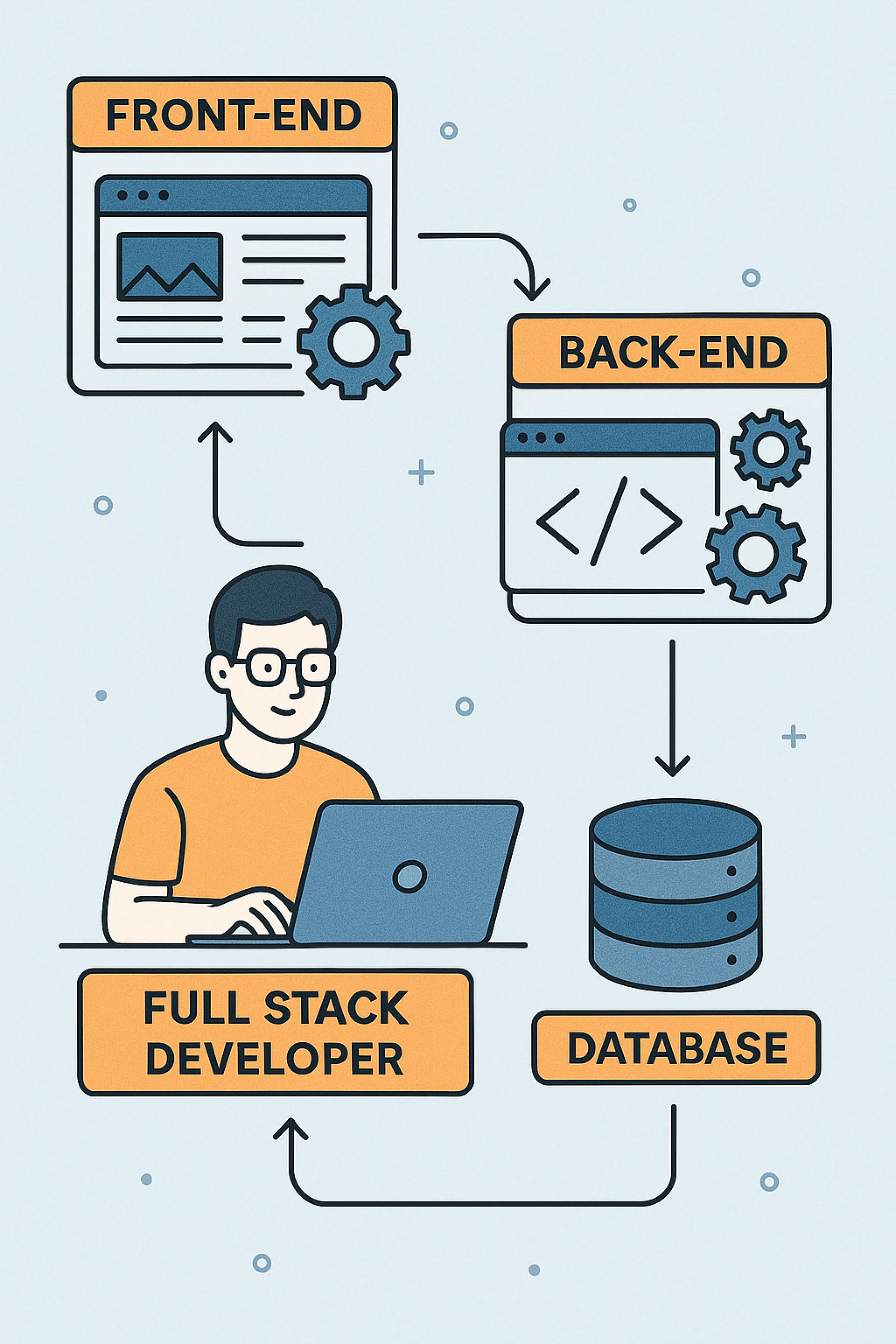
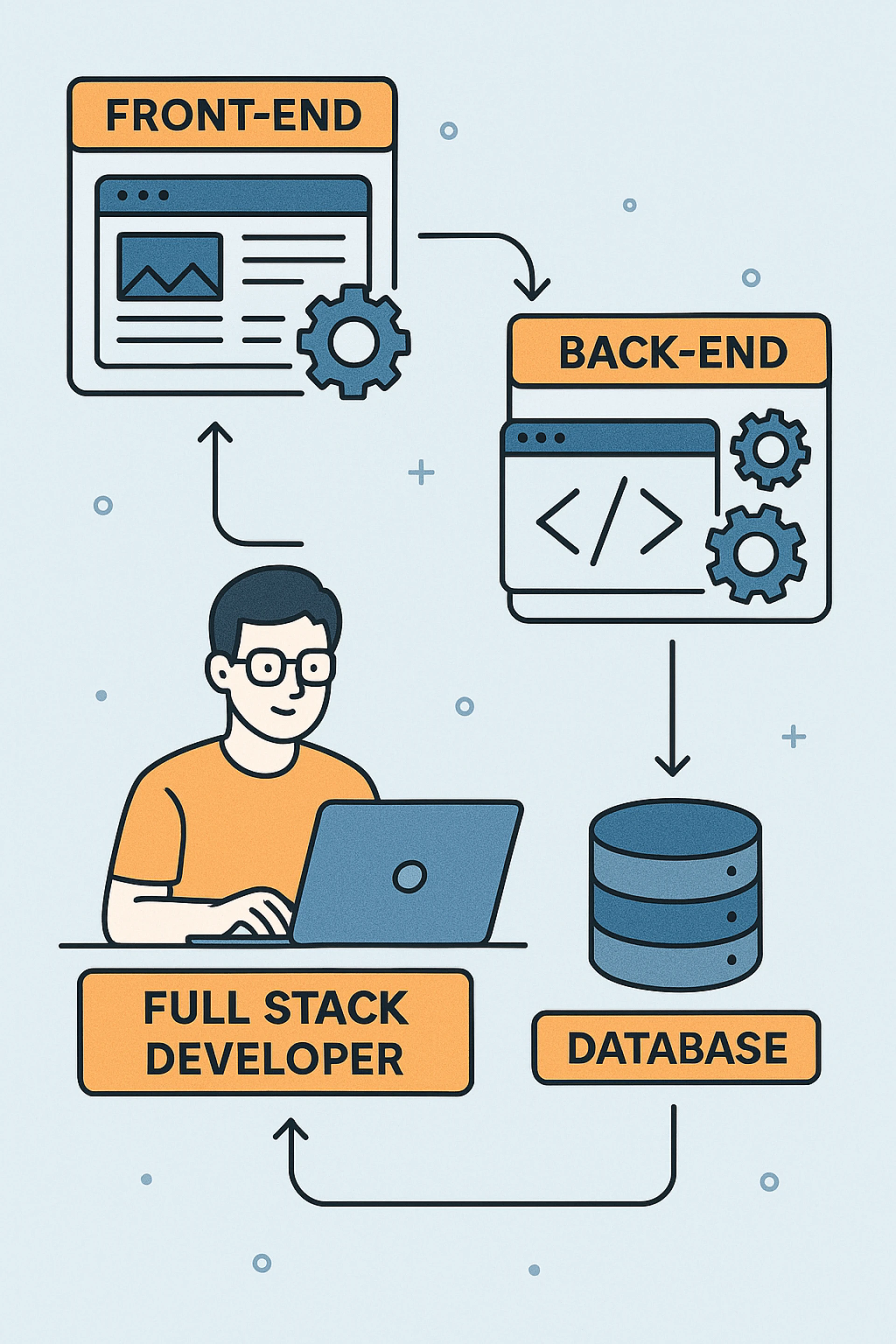
A full stack developer handles both the front and back ends of web development. Front-end involves what you see on a website. The back-end is what makes it work behind the scenes. They also manage databases. They have a good understanding of the entire tech stack. This makes collaboration much easier. Understanding how all parts connect gives you an edge.
Front-End Development Responsibilities
Front-end developers make websites look good. They turn designs into code using HTML, CSS, and JavaScript. Making sites responsive is also part of the job. This ensures it looks good on all devices. Popular tools include React, Angular, and Vue.js.
Back-End Development Responsibilities
Back-end development focuses on the server-side. This is where the application's logic happens. Tasks include building APIs and working with databases. Common languages are Python, Java, Node.js, and Ruby. Other vital aspects are security, data modeling, and making things run fast.
Database Management
Databases store and retrieve information. Developers need to know how to design databases. They also need to write queries to get data. MySQL, PostgreSQL, and MongoDB are popular choices. Cloud-based solutions are becoming common.
Essential Skills for Full Stack Developers
To be successful, you need both hard and soft skills. It also requires continuous learning. Knowing what skills are key helps a lot.
Technical Skills
You'll need to know certain technologies well. HTML, CSS, and JavaScript are a must. It's smart to master front-end frameworks. Also, learn back-end languages and database systems. Version control (Git) is a daily tool. Understanding API development is vital. Testing ensures the application works right. DevOps concepts like CI/CD are good to know too.
Soft Skills
Communication is key for full stack developers. You need to work well in teams. Solving problems quickly helps a lot. Managing your time is crucial. Being adaptable is important in a changing field. These skills help you succeed in projects.
Full Stack Development Career Path
Starting as a junior and moving up is typical. You can specialize or move into management. Salaries vary with location, experience, and abilities.
Entry-Level Positions and Required Experience
Junior developers often handle smaller tasks. You'll need basic coding abilities. It's important to have an understanding of core concepts. Small projects can make a big difference. Internships are valuable. Personal projects can highlight your skills.
Advancing Your Career
Keep learning new technologies. Contribute to open-source projects. Pursue certifications to stand out. You can mentor junior developers. Taking on leadership roles is a good move. Networking helps you learn and grow.
Future Trends in Full Stack Development
New technologies will change the field. Serverless architecture is gaining popularity. JAMstack offers performance benefits. AI integration is becoming more common. Cybersecurity is increasingly important.
The Rise of Serverless Architecture
Serverless computing offers scalability. It can also save you money. AWS Lambda, Azure Functions, and Google Cloud Functions are used. These platforms let you focus on code, not servers.
The Impact of AI and Machine Learning
AI and machine learning are changing apps. Chatbots offer quick support. Personalized recommendations improve experience. Automated testing saves time. You'll want skills to use AI tools.
Conclusion
Full stack development offers a versatile and rewarding career. You've learned the skills, career paths, and future trends. Now you can take the next step. Pursue full stack development for a challenging and innovative career.
# full stack developer course Coimbatore