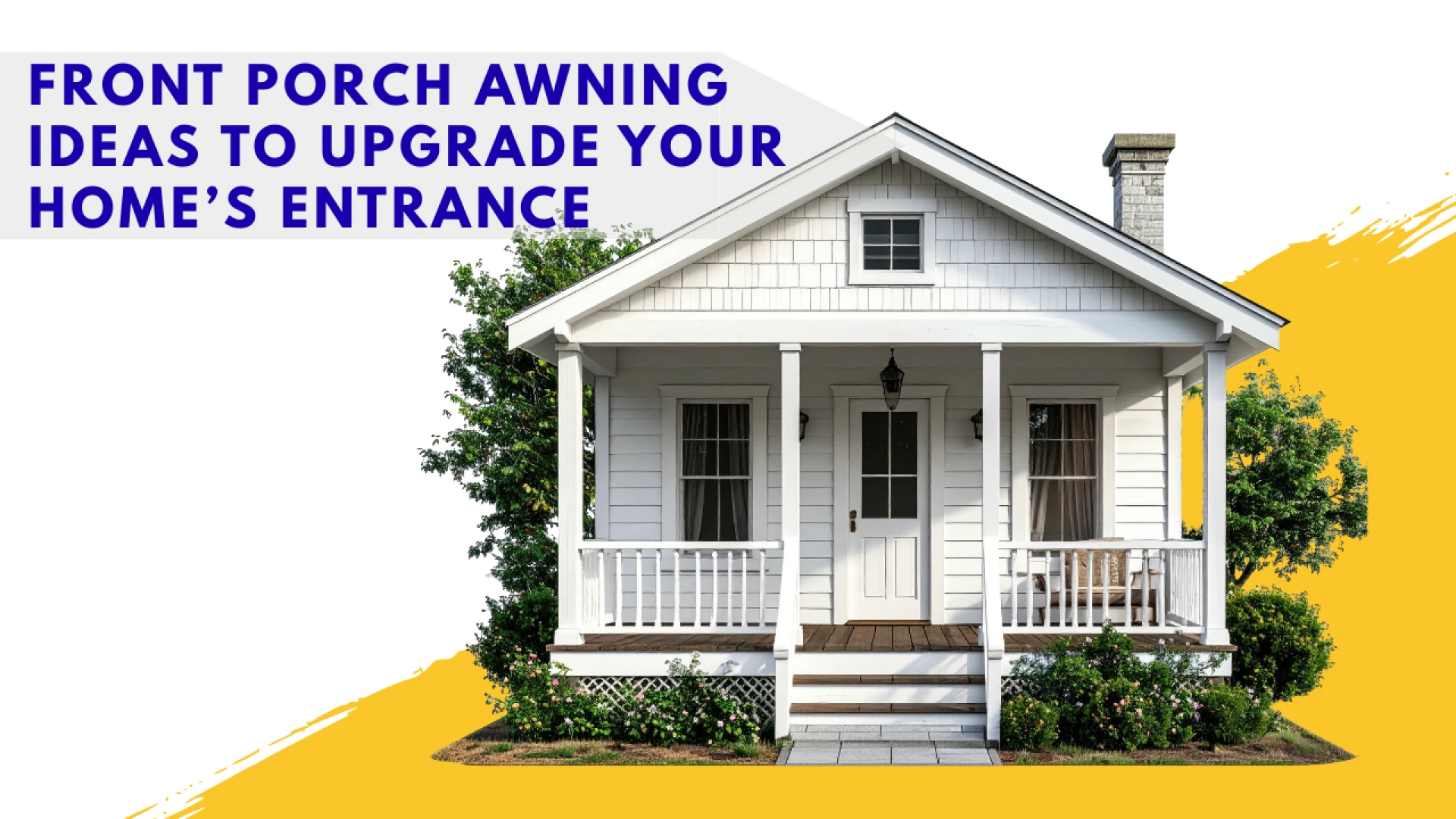
In Thailand, the entrance to a home is more than just a doorway; it is the transition point between the intense tropical environment and the comfort within. Yet, many homes—from modern townhouses in Bangkok to single houses in Chiang Mai—leave their entrances exposed to the elements. Installing a front porch awning is the single most effective way to address this oversight, fundamentally transforming the usability, aesthetics, and climate control of your home’s façade.
An awning is a practical necessity in a country defined by high heat, intense solar radiation, and sudden, heavy monsoon rainfall. It acts as a shield, protecting not only the occupants and guests from the weather but also the structural integrity of the door, frame, and surrounding wall. By strategically choosing the right design and materials suited to the tropical climate, homeowners can achieve both immediate comfort and long-term cost savings, while simultaneously boosting their property’s curb appeal and market value.
Why A Front Porch Awning is Essential in Thailand
The tropical environment dictates that any permanent outdoor structure must serve dual, critical functions: robust protection from water and maximum management of heat.
Managing Intense Solar Gain
Thailand’s intense, year-round solar exposure contributes significantly to indoor heat, forcing air conditioning systems to work harder and driving up utility bills. A correctly placed awning provides a crucial thermal break. By shading the front door, windows, and the surrounding walls, the awning prevents solar heat gain from penetrating the structure. This is especially vital for homes with westward-facing entrances, which receive the most punishing afternoon sun. Strategic shading can reduce the internal temperature of the adjacent room, allowing the air conditioning unit to operate more efficiently, which translates directly into lower energy costs.
Protection from Heavy Monsoon Rain
During the annual monsoon season, rainfall can be sudden and torrential. An exposed entryway can quickly become a slip hazard, and sustained water exposure leads to the premature degradation of exterior finishes. An awning acts as a rain diverter, ensuring the entrance remains dry and safe. More importantly, it protects the expensive hardware, paint, and seals of the front door and window frames from constant water damage, preventing issues like warping, rotting, or rust, which significantly extends the lifespan of these components.
Architectural Styles and Design Ideas
The design of the awning must complement the existing architecture of the Thai home, whether it adheres to traditional aesthetics or a sleek, contemporary style.
Traditional Thai Style: Wood and Gable
For homes that embrace classic Thai architectural elements, the awning should reflect this heritage. A simple, fixed awning with a traditional gable roofline can mirror the pitch of the main roof. The use of natural, treated hardwoods for the frame, often stained to match window casings or fascia, creates a warm, authentic look. For the roofing material, traditional clay or composite tiles (or alternatives designed to mimic their look) are excellent for their insulation properties and authentic visual weight, creating a cohesive and timeless aesthetic.
Modern Minimalist: Metal and Polycarbonate
In many urban areas, Thai homes lean toward minimalist, concrete, or industrial modern designs. Here, the awning should be sleek and unobtrusive. A flat-roofed or slightly slanted canopy constructed with a lightweight, powder-coated aluminum or stainless steel frame provides clean lines. The roofing material often features clear or translucent polycarbonate sheeting. This material offers high impact resistance and UV protection while allowing filtered natural light to pass through, keeping the entrance bright without the harsh heat and glare.
The Contemporary Canopy
A popular, versatile option for many contemporary homes is the fabric retractable awning. While requiring more maintenance than fixed structures, these models offer complete flexibility. Using durable, weather-resistant fabrics like solution-dyed acrylic, these can be customized in various colors and patterns to match the home's color scheme. The ability to retract the awning during high winds or when maximum sun exposure is desired provides dynamic control over the space, making it ideal for entrances that double as small seating areas.
Choosing the Right Materials for the Climate
The long-term success of an awning in Thailand depends almost entirely on the quality of the materials used in both the frame and the roofing.
Durable Roofing Materials
When selecting the covering, prioritize materials that offer excellent heat reflection and UV resistance.
- Metal Sheet (Coated Steel/Aluminum): Highly durable and cost-effective. Modern metal sheets are often coated with aluminum-zinc alloys for superior corrosion resistance against humidity and rain. While they can be noisy during heavy rain, choosing insulated or sandwich panels can mitigate both the noise and the heat retention issues.
- Polycarbonate and Acrylic: Excellent for allowing natural light. Always specify high-impact, UV-stabilized grades to prevent yellowing and cracking under intense Thai sunlight. Multi-wall polycarbonate offers better insulation than single sheets.
- Vinyl/PVC: Offers good durability and sound dampening during rain. It is often used in opaque panels where the goal is complete shade and weather protection, and its smooth surface is easy to clean.
Frame Construction: Steel vs. Aluminum
The structural integrity of the awning frame must withstand high winds, heavy rainfall, and constant humidity.
- Steel: Provides superior strength and stability, making it ideal for larger, permanent canopies. However, it requires careful fabrication and coating (such as galvanizing and powder-coating) to ensure maximum resistance against rust and corrosion, a constant threat in the tropical climate.
- Aluminum: Lighter, inherently rust-resistant, and easier to install. Aluminum frames are perfect for smaller, minimalist awnings and modern designs where a sleek profile is desired. Though generally more expensive than standard steel, the low maintenance requirement often justifies the cost over time.
Functionality Beyond Shade
An awning is an investment that contributes to the home's overall efficiency and aesthetic value, yielding benefits that go beyond simple protection.
Energy Efficiency and Cooling
The thermal insulation provided by an awning has a measurable impact on household energy consumption. By reducing the heat load on the front wall and entrance area, the awning helps the central cooling system maintain a comfortable indoor temperature with less energy output. This protective barrier is most effective when the awning extends far enough to prevent the sun's angle from hitting the glass or the door itself during the hottest parts of the day. This passive cooling technique is a cornerstone of sustainable home design in warm regions.
Enhanced Curb Appeal and Value
The entrance is the focal point of the home’s exterior and significantly impacts its visual appeal. A well-designed, architecturally harmonious awning elevates the entire façade, giving the home a finished and intentional look. In the competitive Thai property market, this enhanced curb appeal, combined with the practical benefit of weather protection, can increase the perceived value and attractiveness of the home to potential buyers. It signals a dedication to quality and maintenance.
Installation and Maintenance Considerations
Proper installation and routine care are crucial for the longevity and performance of any awning in Thailand's harsh weather conditions.
Permitting and Structural Integrity
For larger, permanent structures, homeowners must consult with local municipal authorities to determine if a building permit is required, especially in dense urban areas like Bangkok or Pattaya. Critically, the awning frame must be securely anchored to the main house structure, using appropriate fasteners designed for the wall material (e.g., concrete or brick). Given the risk of high winds during storms, professional installation is non-negotiable to ensure structural safety and prevent damage to the house itself.
Cleaning and Mold Prevention
The combination of high humidity and heat creates an ideal environment for mold, mildew, and algae growth on roofing materials and frames. Routine maintenance is essential to prevent this buildup, which can deteriorate the material and detract from the appearance. Schedule regular cleaning using a mild soap solution (avoiding harsh chemicals that can damage protective coatings) and a soft brush. For fabric awnings, ensure they are fully dry before retraction, and choose materials that are chemically treated for anti-mildew resistance to ensure they look their best year-round.
Conclusion: A Smart Investment in Tropical Living
The decision to install a front porch awning is a practical, climate-smart choice for any homeowner in Thailand. It is a dual-purpose investment that simultaneously protects the physical structure from the relentless sun and torrential rain, while also delivering tangible energy savings by reducing cooling costs. By carefully selecting durable materials like coated metal or UV-stabilized polycarbonate, and choosing a style that complements the home's architecture, the awning becomes a key element of both form and function—a necessary upgrade that ensures comfort, safety, and aesthetic sophistication for the entire home entrance.
FAQs
How much shade should a front porch awning provide?
The ideal length of the awning is determined by the height of the door and the sun's angle. Generally, an awning should extend far enough to completely shade the entryway and the immediate step or landing during the hottest part of the day (late morning to mid-afternoon). For tropical regions, this often means an extension of at least 1.5 to 2.5 meters for a standard single-story home.
Are retractable awnings suitable for Thailand's heavy rain?
Yes, provided they are designed with durable, water-resistant fabrics (like PVC or solution-dyed acrylic) and, crucially, are installed with a sufficient slope or pitch to ensure rapid water runoff. Retractable models are beneficial because they can be quickly stored away during exceptionally high winds or severe storms, preventing fabric tears or frame damage.
What is the best material to avoid heat retention?
Materials that are light-colored and reflective, such as white or silver-coated aluminum, are best at deflecting solar heat. If natural light is desired, high-quality, multi-wall polycarbonate is preferred over single-sheet plastics, as the air pockets within the multi-wall structure provide superior insulation, helping to block heat transfer while still transmitting filtered light.
Will an awning affect my home’s lighting?
A well-designed awning should enhance, not diminish, the entrance lighting. Using translucent materials like clear polycarbonate or choosing a design that integrates underside lighting (such as recessed LED strip lighting built into the frame) ensures the area remains bright and welcoming, even on cloudy days or after dark.