Have you ever gotten out of bed and felt like your body needed a few extra minutes to wake up? Maybe your back feels tight after sitting at your desk, your neck feels stiff after looking at a screen, or your joints do not move as freely as they used to. These small problems can slowly become part of daily life.
The good news is that feeling stiff does not always mean you have to live with it. Simple changes in movement, posture, exercise, and daily habits can make a real difference. For some people, professional care may also be helpful.
Chiropractic care is one option people often explore when they want support for better movement and less discomfort. It focuses on the muscles, joints, spine, and how the body moves as a whole. But what does chiropractic care really involve? And how can it fit into a healthy lifestyle?
Let us take a simple look.
What Is Chiropractic Care?
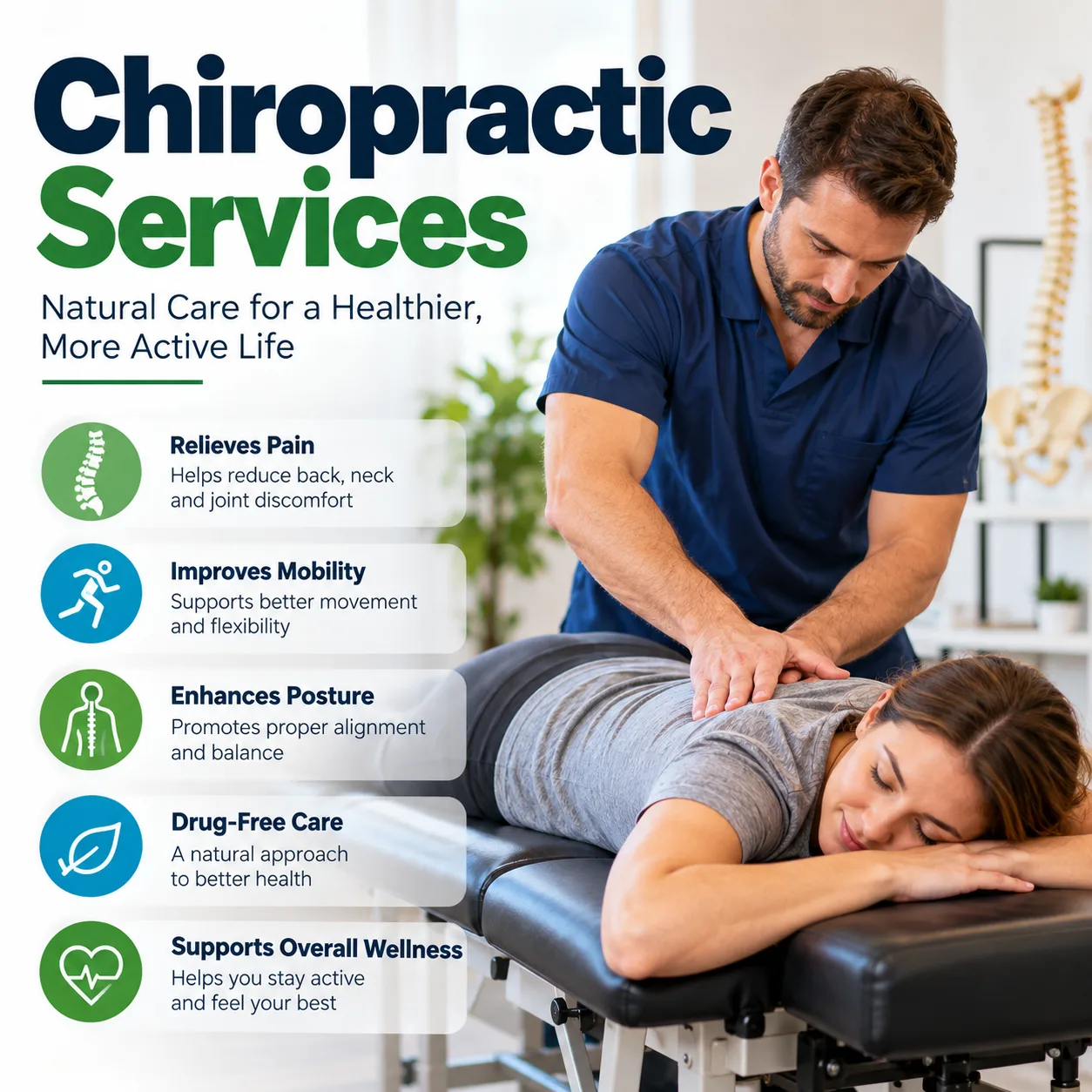
Chiropractic care is a form of hands-on health care that focuses mainly on the body's muscles, joints, and spine. A chiropractor looks at how your body moves and may use hands-on techniques to help improve joint movement.
The goal is not simply to focus on one sore spot. A good visit often starts with understanding your daily routine, activity level, posture, and movement patterns. For example, someone who spends eight hours sitting at a desk may have a different reason for feeling stiff than someone who spends most of the day doing physical work.
A chiropractor may look at things such as:
- How you stand and walk
- Your range of motion
- Joint movement
- Muscle tightness
- Posture
- Daily activities
- Previous injuries
- Exercise habits
This information can help create a care plan that fits the person's needs.
Why Does Stiffness Happen?
Stiffness can come from many parts of everyday life. Sometimes it happens after sleeping in an awkward position. Other times, it can build slowly because of long hours at a desk or a lack of regular movement.
The body is designed to move. When we spend too much time in one position, some muscles may become tight while others become less active.
Common reasons for stiffness include:
- Sitting for long periods
- Poor desk posture
- Lack of regular exercise
- Repetitive movements
- Muscle strain
- Previous injuries
- Sleeping in an uncomfortable position
- Sudden changes in physical activity
- Getting older
Not every case of stiffness needs professional treatment. Mild stiffness may improve with regular movement, stretching, rest, and better daily habits. However, ongoing or severe discomfort should be discussed with an appropriate health professional.
What Can a Chiropractic Visit Look Like?
Many people feel unsure before their first appointment because they do not know what to expect. A typical visit may begin with a conversation about your concerns. You may be asked when the problem started, what makes it better or worse, and how it affects your normal activities.
The provider may then check your movement and posture. Depending on your situation, they may suggest hands-on care, exercises, lifestyle changes, or other steps.
A visit may include:
- A discussion about your health history
- Movement and posture checks
- A physical examination
- Hands-on joint techniques when appropriate
- Stretching recommendations
- Strengthening exercises
- Advice about daily movement
- Suggestions for improving posture
The exact approach can vary from person to person. There is no single treatment plan that works for everyone.
Understanding Chiropractic Services
When people search for Chiropractic services, they may see many different treatment options. This can feel confusing at first.
The most important thing is to understand what a service is designed to do and whether it matches your needs. Ask questions before starting care, especially if you have a medical condition, recent injury, or unusual symptoms.
Depending on the clinic and your situation, care may include:
- Spinal and joint assessment
- Manual techniques
- Mobility exercises
- Stretching guidance
- Strength exercises
- Posture education
- Movement advice
- Lifestyle support
- Injury recovery guidance
A professional should also explain what they recommend and why. You should feel comfortable asking about possible benefits, risks, alternatives, and when you should seek other medical care.
Movement Matters More Than People Think
One of the biggest lessons in modern health and fitness is that movement matters. You do not need to spend two hours in a gym every day. Small amounts of movement throughout the day can be useful.
Think about your normal workday. You may sit at your computer, drive home, eat dinner, and then sit on the couch. By bedtime, you may have spent most of the day sitting. A few simple changes can help break that pattern.
Try these ideas:
- Take a short walking break every hour
- Stretch gently after long periods of sitting
- Use the stairs when practical
- Walk while taking a phone call
- Perform simple mobility exercises
- Change your sitting position regularly
- Spend more time doing activities you enjoy
- Avoid staying in one position for too long
The goal is not perfection. The goal is to make movement a normal part of your day.
Chiropractic Care and Healthy Weight Goals
Movement and body weight can sometimes be connected. Carrying extra weight may place more stress on certain joints, especially when combined with limited movement. At the same time, weight management is much more complex than simply exercising more. Sleep, food choices, stress, age, activity levels, medical conditions, and many other factors can play a role.
Some people may look into Chiropractic weight loss programs when they want professional support as part of a broader wellness plan. It is important to understand what a program actually includes and what evidence supports its approach. A healthy weight-management plan should focus on practical habits rather than quick fixes.
Useful habits may include:
- Eating balanced meals
- Getting enough protein and fiber
- Drinking enough water
- Walking regularly
- Building strength gradually
- Getting consistent sleep
- Managing daily stress
- Setting realistic goals
If weight changes are difficult or you have health concerns, speaking with a qualified medical professional can help identify the right approach.
What If You Are Searching for a Weight Loss Clinic?
The internet makes it easy to find local health and wellness businesses. A search such as Weight loss clinic near me can bring up many options, but choosing a provider should involve more than simply looking at the first result.
Take some time to learn about the clinic and its approach. Before making an appointment, consider:
- What services does the clinic provide?
- Are qualified professionals involved?
- Is the program explained clearly?
- Are costs easy to understand?
- Does the clinic discuss realistic goals?
- Are potential risks explained?
- Does the approach fit your health needs?
- Can you ask questions before starting?
Be careful with programs that promise extremely fast results or make claims that sound too good to be true. Sustainable health changes usually take time.
Simple Ways to Improve Mobility at Home
You do not have to wait for an appointment to start taking better care of your movement. Gentle daily activity can help you stay more aware of how your body feels. Walking is one of the easiest choices because it does not require special equipment.
You can also build small movement breaks into your routine. Here are a few simple ideas:
- Walk for a few minutes after meals
- Stretch gently in the morning
- Stand up during work breaks
- Try beginner mobility exercises
- Take short walks instead of sitting continuously
- Practice good desk posture
- Keep frequently used items within easy reach
- Increase activity slowly rather than suddenly
If an exercise causes sharp or unusual pain, stop and seek appropriate professional advice.
When Should You Talk to a Professional?
Occasional stiffness is common. But some symptoms should not be ignored. If discomfort keeps coming back, becomes worse, or starts affecting your normal activities, it may be time to speak with a qualified health professional.
You should also seek prompt medical attention for serious symptoms such as:
- Severe or sudden pain
- Significant weakness
- Loss of balance
- Numbness that is new or worsening
- Loss of bladder or bowel control
- Symptoms after a serious accident
- Fever with severe pain
- Unexplained weight loss with ongoing symptoms
These signs may need medical evaluation rather than routine wellness care.
The Bigger Picture: Better Movement, Better Habits
Good movement is not only about your spine or joints. It is part of your overall lifestyle. Think about how you spend a normal week. Are you sitting most of the day? Do you get enough sleep? Do you move regularly? Are you eating balanced meals? Do you make time to recover after physical activity?
Small improvements can add up. You might start with a five-minute walk. Then you may add a few simple stretches. Later, you could build a regular strength or mobility routine.
Final Thoughts
Moving better can make everyday activities feel easier. Getting out of a chair, walking around the neighborhood, working at your desk, playing with your children, or enjoying a hobby can all feel different when your body moves comfortably.
Chiropractic care may be one part of a larger approach to movement and wellness. The right plan depends on your individual needs, health history, and goals.
Instead of looking for a quick solution, focus on building healthy habits that can last. Move more throughout the day, pay attention to your posture, stay active, and get professional guidance when you need it. Better movement does not have to begin with a major lifestyle change. Sometimes, it starts with one small step.