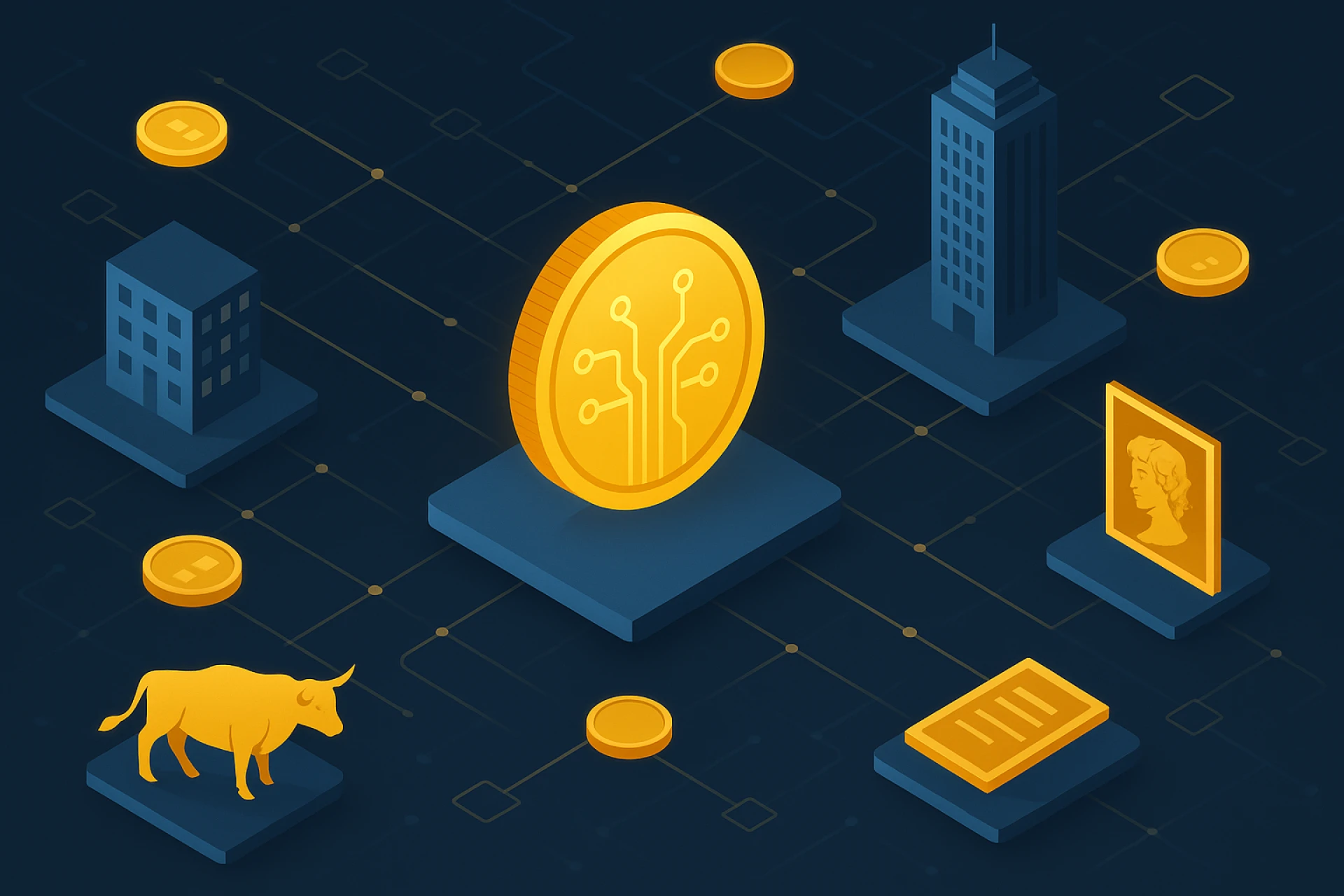
Ownership is evolving. In a world increasingly driven by decentralization, blockchain technology is reshaping how we perceive and manage tangible assets. From luxury real estate and vintage collectibles to fine art and precious metals, ownership no longer requires physical possession. This evolution is being powered by Real World Asset (RWA) tokenization — the process of converting physical assets into digital tokens on a blockchain.
By creating fractional, verifiable, and tradeable representations of real assets, tokenization is ushering in a new era where the barriers to entry in high-value markets are rapidly crumbling. This transformation is not just technical; it’s deeply economic and cultural. Let's explore how RWA tokenization is redefining ownership across sectors, especially in real estate and art.
What Is Real World Asset Tokenization?
Real World Asset tokenization refers to the process of creating blockchain-based digital tokens that represent ownership or rights to a tangible asset in the physical world. These tokens are securely recorded on decentralized ledgers and can be bought, sold, or traded like cryptocurrencies. However, unlike utility or governance tokens, RWAs are backed by actual physical or financial assets, giving them intrinsic value.
The tokens typically derive their legal enforceability from smart contracts and off-chain agreements, enabling a seamless link between the physical asset and its digital counterpart. This process democratizes access to high-value assets, introduces new investment models, and adds liquidity to otherwise illiquid markets.
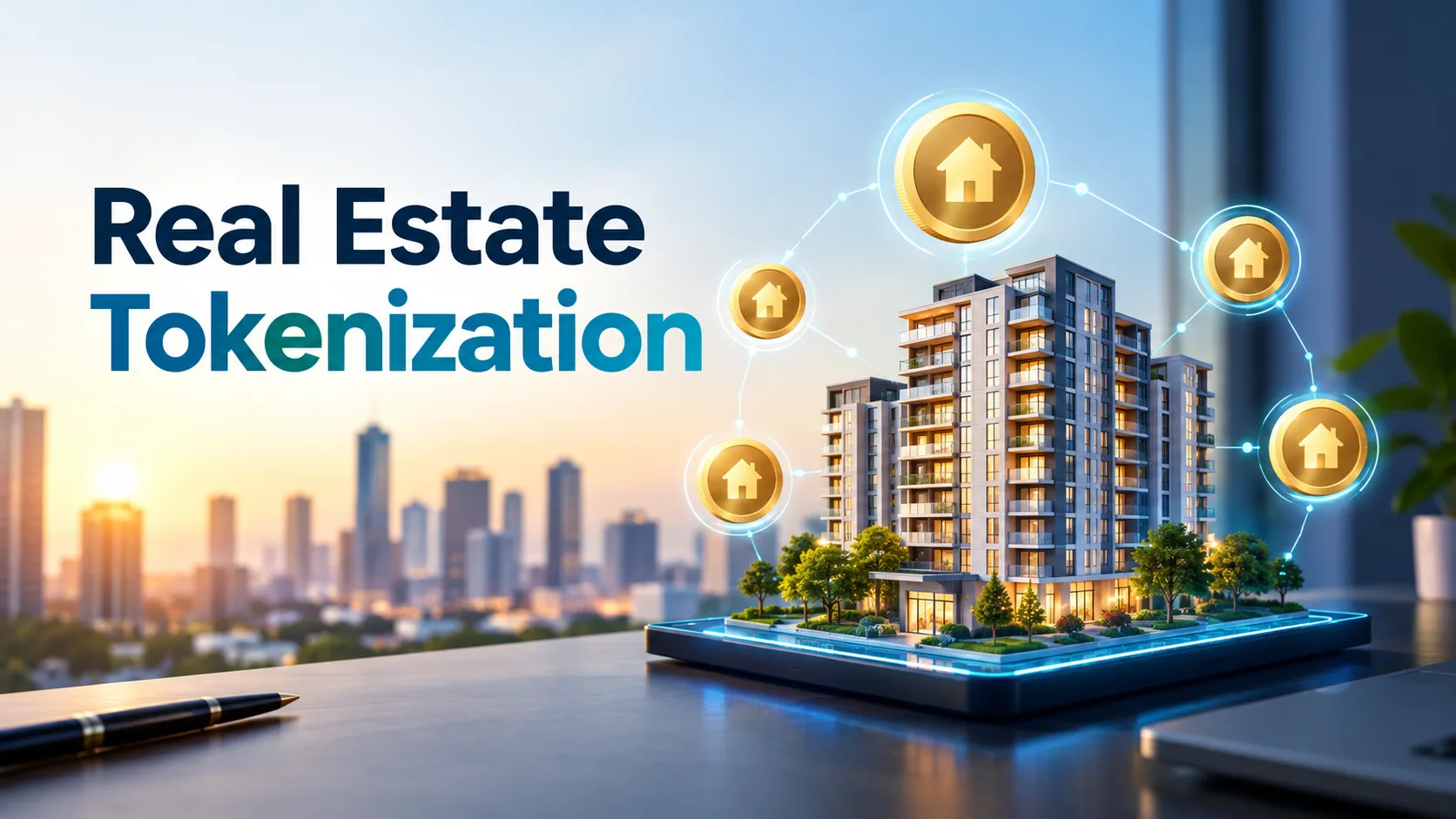
The Case for Real Estate Tokenization
Real estate has long been regarded as a lucrative but illiquid and capital-intensive investment. Traditional barriers such as high minimum investments, geographic limitations, and lengthy legal procedures have made it difficult for small or mid-sized investors to participate. Tokenization disrupts this model by allowing fractional ownership of property.
A single high-value commercial building can be divided into thousands of tokens, each representing a proportional share in ownership. These tokens can be sold to multiple investors, granting each a portion of rental income or appreciation. Blockchain ensures transparent record-keeping, while smart contracts automate rent distribution, dividends, and even property management rights.
This shift is especially powerful in emerging markets where land ownership is complicated by bureaucracy and lack of transparency. By integrating real estate with blockchain-based token economies, developers and property owners can tap into global capital while offering investors a hassle-free, borderless way to diversify their portfolios.
Tokenizing Art: A New Renaissance in Ownership
The art world has traditionally been accessible only to the wealthy elite or institutional investors. High-end artworks, such as a Picasso or a Banksy, often sit in private collections or galleries, appreciated by few and liquidated rarely. Tokenization is changing this narrative.
By breaking a multimillion-dollar painting into hundreds or thousands of digital shares, galleries and art owners can sell fractional ownership to a broader pool of collectors and investors. Each token holder gains exposure to the asset’s potential appreciation and, in some cases, rights to exhibit or vote on lending agreements.
Moreover, tokenized art opens the door to global liquidity. Investors in different time zones and countries can trade shares on digital asset exchanges without needing to transport or insure the actual artwork. Blockchain’s provenance tracking capabilities also help verify authenticity, a long-standing issue in art transactions.
This approach doesn't diminish the cultural value of art — it amplifies it. Public ownership via tokenization fosters a sense of shared heritage and brings high art into the digital economy.
Legal and Technical Infrastructure Behind Tokenization
For RWA tokenization to function securely and legitimately, both technological and legal frameworks must be robust. Blockchain platforms provide the decentralized foundation for storing asset information, transferring tokens, and executing smart contracts. Ethereum, Avalanche, and Polygon are popular choices due to their flexibility and wide adoption in the DeFi space.
On the legal front, tokenized ownership must be enforceable in real-world jurisdictions. This often involves custody agreements, Special Purpose Vehicles (SPVs), or asset-trust structures to tie legal rights to the digital token. Regulatory compliance varies by country but typically includes securities law, KYC/AML regulations, and investor protection clauses.
Projects that succeed in balancing legal enforcement with technical automation are emerging as pioneers. These tokenization platforms offer APIs, user interfaces, compliance modules, and marketplaces all under one ecosystem, enabling a seamless asset-to-token pipeline.
Unlocking Global Liquidity and Accessibility
Tokenization is helping eliminate the “illiquidity premium” that has traditionally discounted the value of real world assets. An investor who once had to wait years to sell their real estate holdings can now liquidate fractional shares within days — or even hours — on secondary markets.
This speed and accessibility open investment opportunities to a global audience. A retail investor in India can co-own a beachfront condo in Miami. A university student in South Korea can buy shares in a tokenized Banksy. The entry barriers are lower, and the market depth is deeper.
This also benefits asset owners. Whether you're an artist, developer, or collector, tokenization enables you to monetize your assets faster, reach broader audiences, and attract capital from places traditional financing methods wouldn’t access. Tokenized ownership is borderless, instantaneous, and transparent.
The Role of DeFi and Asset-Backed Stablecoins
Tokenized real world assets are finding utility within decentralized finance (DeFi) ecosystems. These tokens can be collateralized for loans, staked for yield, or bundled into investment products. For example, tokenized real estate can back mortgage pools, while art tokens can be used as non-correlated hedge instruments in crypto portfolios.
Asset-backed stablecoins — such as those backed by tokenized gold or real estate — offer an added layer of stability in volatile markets. By anchoring digital value to real-world tangibles, they help bridge the gap between traditional finance and Web3.
This synergy between tokenized RWAs and DeFi mechanisms creates a powerful feedback loop of liquidity, yield generation, and capital efficiency. It's a shift that promises to expand financial inclusion and wealth creation worldwide.
Real-World Success Stories and Pilots
Several projects have already showcased the real-world viability of asset tokenization. Companies like Mattereum, RealT, and Securitize have tokenized millions of dollars' worth of real estate and high-value items. In Switzerland, fractionalized token ownership has been used for art exhibitions, while in the UAE, developers are exploring tokenized property portfolios targeted at crypto-native investors.
These early pilots are proving not only technical feasibility but also strong investor appetite. They are paving the way for more comprehensive platforms with regulatory integration, custodial services, and DeFi interoperability.
Challenges That Still Remain
Despite the momentum, tokenizing real world assets comes with its own set of challenges. Regulatory clarity remains a gray area in many jurisdictions, especially concerning securities classification. Legal enforceability of tokens in cross-border transactions also requires standardized frameworks.
Interoperability between blockchain platforms, investor education, and data security are further hurdles that need addressing. However, as institutional interest grows and legal models mature, these issues are gradually being resolved.
The evolution of token standards like ERC-3643 and legal-tech integration with smart contracts is helping bridge many of these gaps. Collaboration between blockchain companies, regulators, and traditional financial institutions is key to accelerating mainstream adoption.
Conclusion: A Future Where Ownership Is Digital, Fractional, and Global
Real World Asset tokenization is not just a technological upgrade — it’s a reimagination of value ownership. From real estate to rare paintings, tokenization is transforming previously exclusive, illiquid assets into democratized, accessible opportunities for anyone with an internet connection and a digital wallet.
This transformation aligns with the broader movement toward decentralization, transparency, and inclusion. Whether you're an investor seeking diversified assets, a creator looking to monetize your work, or a platform developer building the next DeFi product, the future of ownership lies in the seamless fusion of the physical and digital.
In a tokenized world, access is the new asset.