Before a jet boat ever skims across the water, it starts as a flat sheet of aluminum. What transforms that raw material into a sleek, high-powered machine is a mix of skilled craftsmanship, smart engineering, and serious grit. Building an aluminum jet boat isn’t just about bolting a hull together and slapping on an engine. It’s a carefully planned process, honed by years of innovation and hard-earned experience.
Here’s a closer look at how these river beasts come to life—from start to splash.
Step 1: Choosing the Right Aluminum
It all begins with high-grade marine aluminum. This isn’t the stuff used for soda cans or gutters. Marine aluminum—typically 5052 or 5086 alloy—is strong, lightweight, and resistant to corrosion. That last part’s a big deal, especially for boats that spend time in saltwater or brackish conditions.
Aluminum is ideal for jet boats because it won’t rust and doesn’t crack under pressure like fiberglass might. Plus, it’s easier to repair if you end up bumping into rocks or scraping a shallow riverbed.
Step 2: Cutting and Forming the Hull
Once the aluminum sheets arrive at the shop, they’re fed into CNC cutting machines. These high-precision tools slice the metal into perfectly measured panels—each one custom-designed for a specific model.
After cutting, those panels go through a forming process. That’s where press brakes and rollers shape them into curves and angles. This step gives the hull its sleek lines and aggressive profile. Every bend, flare, and taper affects how the boat handles on the water.
Step 3: Welding—Where the Magic Happens
This is where raw metal becomes a real boat. All-welded construction is the gold standard in jet boat building. Welders use MIG or TIG machines to fuse the panels together. The seams are strong, smooth, and sealed tight—no rivets, no leaks.
Welding isn’t just about strength. It’s also about keeping the hull rigid without adding unnecessary weight. A good welder knows how to keep heat levels just right to avoid warping the metal. That balance is key to building a boat that’s both durable and fast.
Step 4: Rigging and Internal Framework
After the main hull is welded, it’s time to add the bones of the boat—bulkheads, stringers, and deck supports. These internal parts stiffen the hull and prepare it to handle heavy loads and high speeds.
This is also when the builder runs electrical wiring, lays out the fuel system, and preps the boat for its jet drive. Everything has to be laid out for easy access later, whether you're swapping a fuse or flushing the engine.
Many aluminium jet boats manufacturers use modular design systems at this stage to speed up assembly and keep things consistent across different models.
Step 5: Installing the Jet Drive
Jet propulsion is what sets these boats apart. Instead of an exposed propeller, a jet boat uses an impeller to pull in water and blast it out a nozzle. That creates the thrust needed to move forward—and fast.
Installing the jet system takes careful alignment. If the impeller and engine aren’t perfectly in sync, you’ll lose efficiency and handling. Once everything’s mounted and sealed, the builder will test the system in-house to make sure it's pushing out the power it's supposed to.
Step 6: Interior, Controls, and Accessories
With the heavy lifting done, now it’s time to make the boat user-friendly. This includes adding seats, consoles, steering, throttle controls, and dashboard electronics. From GPS to fish finders, everything gets wired up and mounted cleanly.
Some boaters want stripped-down builds for pure function. Others ask for extras like sound systems, LED lighting, or custom storage compartments. The beauty of aluminum jet boats is how customizable they are at this point.
Many aluminium jet boats manufacturers offer full design flexibility, letting customers build out their dream rig based on how they plan to use it—fishing, hunting, rescue, or pure recreation.
Step 7: Painting, Coating, and Finishing Touches
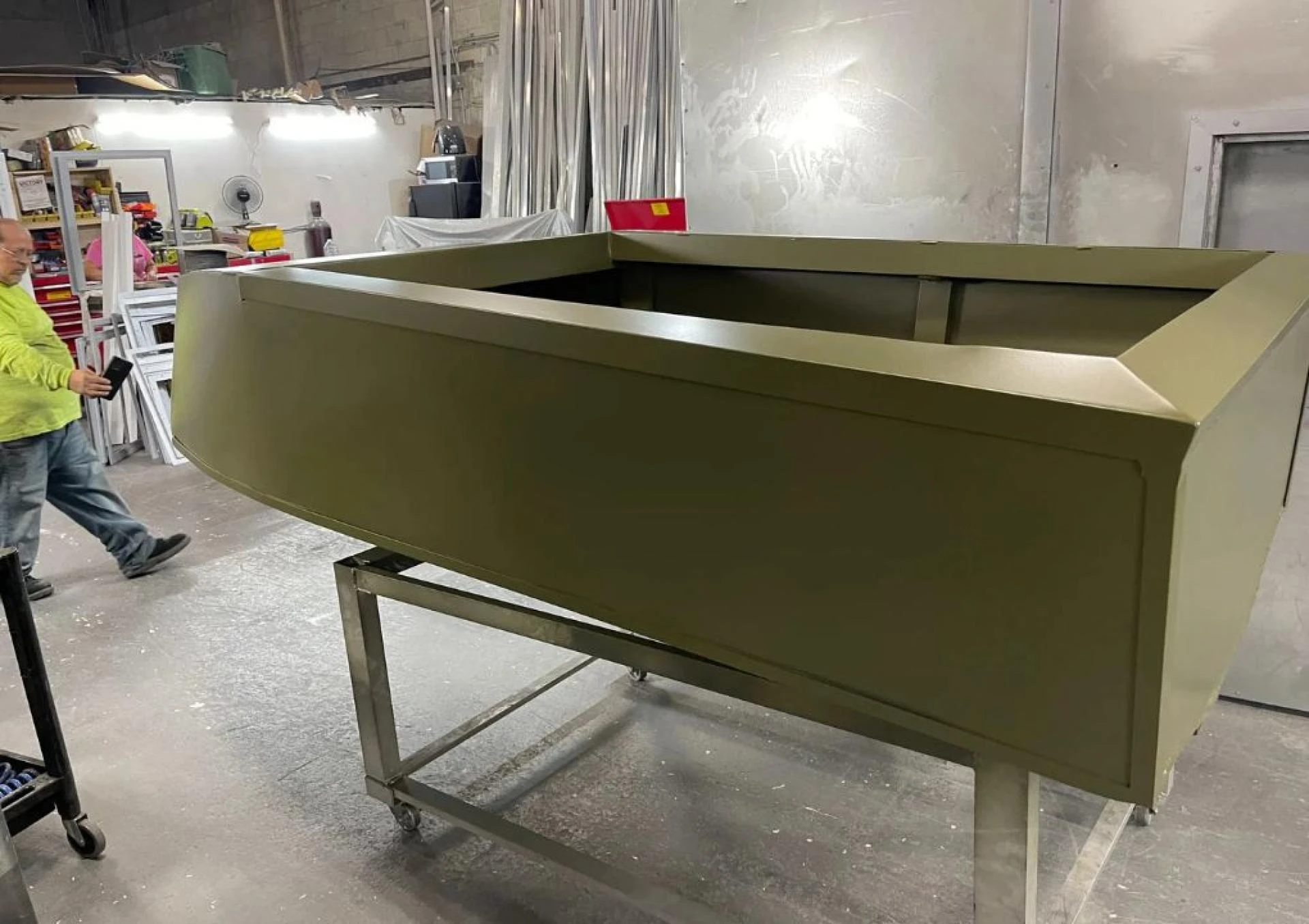
Aluminum doesn’t need paint to survive, but it sure looks better with it. The hull gets cleaned and treated before paint or powder coating is applied. Some boats get non-slip floors or sprayed-in liners for added grip and protection.
Decals, nameplates, and trim are added at the very end. It’s the final polish before launch day.
Step 8: Testing and Quality Control
Before any boat leaves the shop, it gets water-tested. Builders check for leaks, engine performance, steering response, and top-end speed. Some companies even take videos of the test run and send them to the customer—it’s part of the experience.
This phase is make-or-break. If anything’s off, it gets fixed right there. By the time the boat is loaded onto a trailer, it’s ready to take on serious water.
From Shop Floor to River Run
Building an aluminum jet boat is more than just manufacturing—it’s craftsmanship with attitude. Every weld, cut, and component plays a part in how the final product handles the real world.
If you’ve ever blasted down a river in a jet boat, you know there’s nothing quite like it. And behind every wild ride is a team of builders who turned flat sheets of metal into a machine built to dominate the water.
That’s the difference great aluminium jet boats manufacturers make—they don’t just build boats. They build river beasts, one spark at a time.