The process of vertical transportation involves a sophisticated blend of architectural planning, mechanical engineering, and rigorous safety testing. For any modern building, whether residential or commercial, selecting the right partner for elevator installation in udaipur is the foundational step toward long-term operational efficiency. This guide explores the intricate journey of bringing a lift system from the conceptual blue-print phase to a fully operational reality, ensuring that safety, durability, and user experience remain the top priorities throughout the installation lifecycle.
Assessing the Architectural Framework
Before a single component is delivered to a site, a comprehensive assessment of the building's structural integrity is mandatory. Engineers must evaluate the hoistway dimensions, pit depth, and overhead clearance to ensure they meet the specific technical requirements of the intended lift model. This phase is not merely about measurements; it is about understanding the traffic flow of the building. For instance, high-occupancy commercial hubs require different speed and capacity configurations compared to private residences. During this planning stage, the expertise of seasoned professionals ensures that the chosen system aligns with local building codes and international safety standards, preventing costly structural modifications later in the project.
Technical Precision in Component Manufacturing
The reliability of an elevator begins in the factory. High-quality lifts are built on a foundation of precision-engineered components, including the traction machine, the controller, and the car frame. As prominent Industrial Lift Manufacturers Udaipur, Mewar Elevator prioritizes the use of heavy-duty materials capable of withstanding the rigorous demands of industrial environments. In manufacturing, the focus remains on durability and load-bearing capacity. Each pulley, cable, and guide rail is subjected to stress tests to ensure it can handle the rated load plus a significant safety margin. This manufacturing excellence is what distinguishes a standard lift from a high-performance system designed for decades of service.
Specialized Solutions for Healthcare Facilities
Hospital environments present a unique set of challenges for vertical transportation. These systems must accommodate stretchers, medical equipment, and a high volume of staff and patients with zero room for downtime. This is why working with dedicated Hospital Elevators manufacturers in Udaipur is critical for healthcare providers. Hospital lifts require specialized features such as "Emergency Medical Service" (EMS) controls, smooth leveling to prevent jarring movements for sensitive patients, and antimicrobial interior finishes. The planning for these units involves integrating them into the hospital’s emergency power grid, ensuring that the lifts remain functional even during power outages, which is a life-saving necessity in a clinical setting.
The Installation Phase: Hoistway and Rail Setup
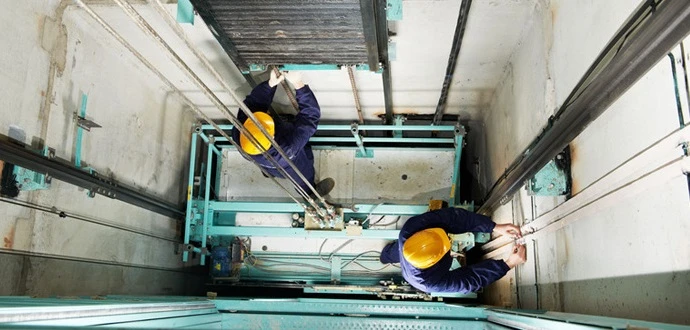
Once the site is prepared and the components arrive, the physical installation begins with the placement of the guide rails. This is perhaps the most critical part of the mechanical setup. If the rails are even slightly misaligned, the elevator will suffer from vibrations, noise, and accelerated wear on the rollers. Technicians use laser alignment tools to ensure the rails are perfectly plumb. Following the rails, the hall doors are installed at each floor level. These doors must be perfectly synchronized with the elevator car’s internal doors to ensure smooth entry and exit. Safety interlocks are also fitted at this stage, preventing the doors from opening unless the car is safely leveled at the floor.
Wiring and Intelligent Control Systems
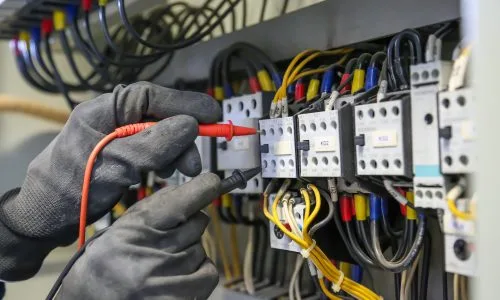
Modern elevators are essentially vertical robots governed by complex microprocessors. The "brain" of the lift—the controller—is installed in the machine room or within the hoistway for machine-room-less (MRL) designs. This phase involves extensive wiring that connects the car operating panel, the hall call buttons, and the various safety sensors to the central controller. Engineers program the lift’s logic, determining how it responds to multiple calls, manages energy consumption during low-traffic periods, and executes emergency "home" functions during fire alarms. This digital infrastructure is what allows for smooth acceleration and deceleration, providing the "seamless ride" feeling that passengers expect.
Safety Verification and Load Testing
No lift installation is complete without a rigorous testing protocol. Before the system is handed over to the building owner, it undergoes a series of safety checks. This includes "overspeed" tests where the safety gear is checked to see if it can stop the car if the cables were to theoretically fail. We also perform full-load and 125% load testing to verify that the motor and brakes can handle weights beyond the rated capacity. Every sensor, from the infrared door curtains to the final limit switches at the top and bottom of the shaft, is checked for 100% responsiveness. This commitment to testing is a hallmark of professional elevator services, ensuring peace of mind for every passenger.
Long-Term Maintenance and Handover
The final stage of the installation guide is the transition to regular maintenance. A lift is a dynamic machine with moving parts that require periodic lubrication, adjustment, and software updates. During the handover, building managers are briefed on the basic operation and the emergency rescue procedures. Establishing a preventive maintenance schedule is vital for preventing "wear-and-tear" breakdowns. By choosing a local expert with deep roots in the Rajasthan region, building owners benefit from quick response times and a steady supply of genuine spare parts, ensuring the elevator remains a reliable asset for the building's entire lifespan.