If you’ve ever stepped into the back of a commercial kitchen during a busy lunch rush, you’ll know this: the waste builds up fast. Half-eaten meals, spoiled produce, trimmings from prep—mountains of it. And what happens to all that food?
For most places, it gets bagged up and tossed. Then, some hauler picks it up (often late), carts it off to a landfill, and the cycle repeats. It’s messy, it smells, it’s expensive, and let’s be honest—it’s a huge missed opportunity.
That’s what Hungry Giant wants to fix.
The Hidden Problem in Our Kitchens
It’s easy to ignore the food waste system. You bag it up, throw it out, and it’s someone else’s problem. But multiply that by thousands of kitchens every day, and you start to see the real picture: food waste is a major environmental and financial issue.
Globally, we waste about 1.3 billion tons of food every year. And when that food rots in landfills, it releases methane—a greenhouse gas far worse than carbon dioxide. It's not just bad for the planet. It’s bad for your bottom line, too. Every time someone drags a heavy bin to the dumpster, you're paying for labour, transportation, disposal fees... and wasting potential value.
But what if there were a smarter way? A cleaner, more efficient way that actually gave something back?
Turning Waste into a Resource
Hungry Giant is an Australian-born company (with a growing presence in the U.S.) that builds high-tech, industrial-grade food waste recycling equipment. But don’t let that description fool you—this isn’t just “another piece of machinery.”
Their systems are designed to change the whole mindset around waste. Instead of food scraps being garbage, Hungry Giant sees them as raw material—ready to be turned into something useful.
Meet the Machines: The “Giants” Behind the Process
There are three main systems Hungry Giant offers, and each one tackles food waste a little differently depending on your needs:
1. The Grinder
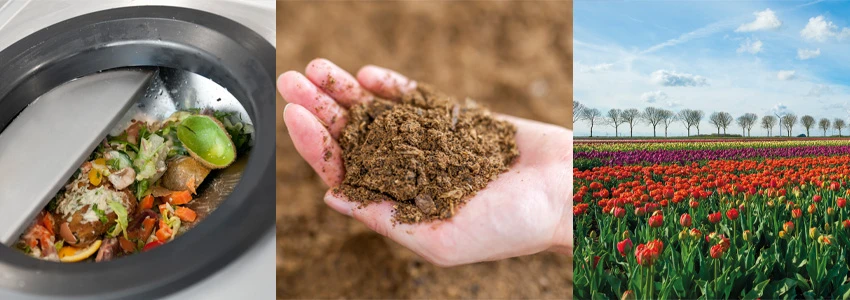
This is where the magic starts. Picture your kitchen scraps getting ground down into a soft pulp—bones, peels, even packaging (if it's compo-stable). The grinder reduces volume by around 60% right off the bat.
For busy restaurants, this is a game-changer. You’re not filling bins every few hours. You’re cutting down odours, mess, and trips outside. It’s cleaner, safer, and way more efficient.
2. The Dehydrator
This one’s my favourite. Once the waste is ground down, the dehydrator kicks in. It uses heat and slow mixing to dry everything out—removing up to 90% of the moisture.
The result? A fluffy, dry, odourless material that looks more like mulch than old salad. You can use it in gardens, give it to farms, or send it to compost facilities. It doesn’t rot, it doesn’t stink, and it’s surprisingly lightweight.
One chef I spoke with said they started using their dehydrated waste in a rooftop herb garden—and their customers love hearing that their leftovers come full circle.
3. The Dig-ester
For operations that want an even lower-energy option, there’s the dig-ester. Instead of drying the waste, it uses microbes and low heat to slowly break it down into grey water. That water can be safely flushed into sewer systems or used in landscaping (check your local rules).
This method is especially useful in cities where composting isn’t easy to access, or in buildings with limited space.
A Full-Circle Solution: Plate2Farm™
Hungry Giant doesn’t just sell machines—they sell a process. Their Plate2Farm™ system connects everything: your waste, your packaging, your staff, and your composting partners.
Here's what that looks like in practice:
- Your kitchen switches to certified compo-stable packaging.
- Food waste and packaging go into the same bin—no sorting.
- The grinder and dehydrator handle everything automatically.
- The resulting biomass is picked up and sent to farms or composting centres.
It’s simple. It’s traceable. And it turns a smelly, frustrating problem into something you're proud of.
Who's Using Hungry Giant?
Hospitals, hotels, universities, airports, cruise ships—you name it. Anywhere that generates food waste and wants to do something smarter with it.
I talked to a sustainability officer at a large university who said their Hungry Giant dehydrator saved them over $20,000 a year just in hauling fees. Plus, they now use the dehydrated waste in campus gardens and compost programs, making it a visible part of their sustainability story.
Restaurants love it because it keeps pests away. Facilities managers love it because it cuts waste pickup from daily to once a week. Chefs love it because it doesn’t disrupt their workflow.
Why It Works
What makes Hungry Giant stand out isn’t just the tech. It’s the thoughtfulness behind it. Their machines are durable (20+ year design life), easy to clean, quiet enough for a kitchen, and customisation for different layouts.
More importantly, they get that no two kitchens are the same. Some places need a compact grinder next to the dish pit. Others want a full vacuum-piping system for a 10,000 sq ft dining hall. Hungry Giant helps you figure out what fits your space and staff.
And for anyone tracking ESG (Environmental, Social, Governance) goals, the built-in analytics dashboard is gold. You can measure waste reduction, emissions savings, and show real numbers to your team or stakeholders.
Let’s Talk Impact
If you recycle 100 pounds of food waste per day through a Hungry Giant system, here’s what you’re not doing:
- Sending 36,000+ pounds of wet, rotting waste to a landfill each year
- Releasing methane that could linger in the atmosphere for decades
- Paying extra staff hours to haul bins, clean spills, and fight rodents
Instead, you’re producing clean, nutrient-rich biomass. You’re educating your team about sustainability. You’re reducing costs. You’re making your business part of the solution.
Final Thoughts: A Better Way to Waste
No one opens a restaurant or runs a campus dining hall because they love handling trash. But the truth is, what happens after the meal is just as important as what goes on the plate.
Hungry Giant gives businesses a way to deal with waste that feels good—cleaner, smarter, and more sustainable