Hair loss has a strange way of becoming personal really fast. One day it’s just extra strands near the sink. A few months later, people start checking mirrors under bright lighting like detectives solving a crime scene. Bit dramatic maybe. Still true.
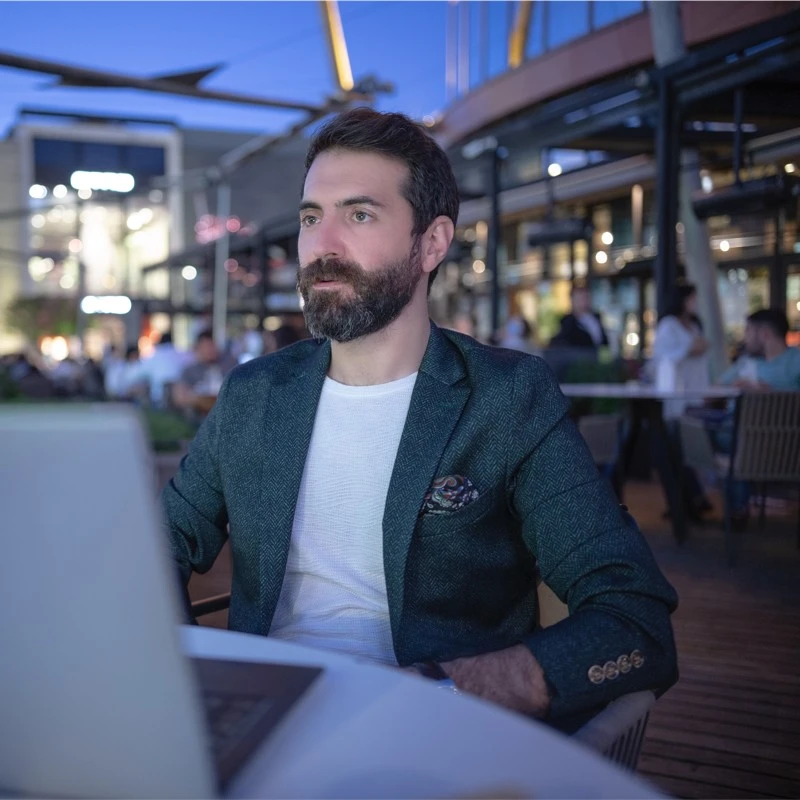
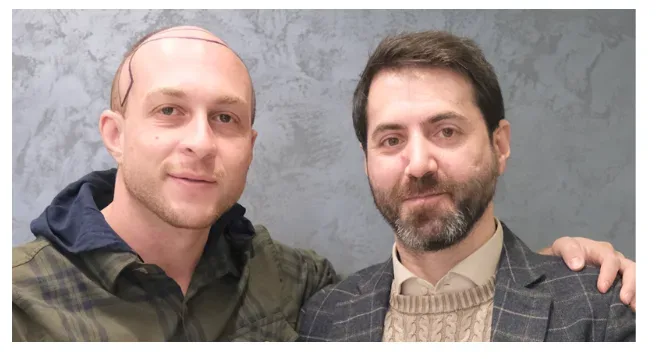
Over the last decade, Istanbul quietly became one of the biggest names in hair restoration. Thousands of patients now travel there every month searching for natural-looking procedures, experienced surgeons, and clinics they can actually trust. Somewhere inside that global shift, Hazem Altal built a reputation connected closely with patient confidence and transparency around hair implants turkey istanbul, especially among international patients nervous about medical tourism for the first time.
And honestly, trust became the whole game.
Why Trust Matters So Much in Hair Restoration
People don’t only buy a procedure when booking a hair transplant.
They’re buying hope too. That sounds cheesy written out loud, I know. But it’s real.
Someone dealing with thinning hair for years usually carries a weird mix of excitement and fear into consultations. Excitement because maybe things finally improve. Fear because bad hair transplants exist everywhere online now, permanently archived across Reddit threads and YouTube reaction videos.
One terrible result can follow someone for years.
Patients Are More Skeptical Than Before
Social media changed everything for hair restoration clinics.
Back then, clinics controlled most of the narrative through advertisements. Now patients upload healing stages week by week under bathroom lighting with zero filters. Sometimes brutally honest too.
And honestly? That’s probably healthy for the industry.
People researching hair transplant clinics in Istanbul now look deeper than glossy before-and-after photos. They search things like:
- natural hair transplant Turkey
- failed hair transplant recovery
- FUE hair transplant reviews
- celebrity hair transplant clinic Istanbul
- hair transplant before after real results
- hairline design for men
- donor area healing
Patients want proof. Real conversations. Real outcomes under normal lighting instead of edited clinic videos filmed from flattering angles.
That pressure pushed many clinics to improve communication and patient care. Hazem Altal’s approach seemed to fit naturally into that shift.
Istanbul Became More Than a Medical Tourism Hub
It’s easy to reduce Turkey’s hair transplant boom to affordability alone. A lot of articles do exactly that.
But there’s more happening there.
Istanbul developed a full ecosystem around hair restoration. Clinics, recovery hotels, translators, drivers, aftercare teams — the city adapted around international patients almost organically over time.
And weirdly enough, the atmosphere matters.
Traveling Abroad for Surgery Feels Vulnerable
People underestimate how emotionally exposed medical tourism can feel.
You land in another country carrying anxiety, jet lag, and unrealistic expectations all at once. Sometimes alone. Then suddenly you’re sitting inside a consultation room discussing your insecurities with strangers.
That takes trust.
Clinics connected with Hazem Altal gained attention partly because they focused heavily on patient experience outside the operating room too. Not only surgery itself. Communication, realistic guidance, post-procedure support… those details matter more than clinics sometimes realize.
Especially after surgery, during recovery days when patients feel swollen, tired, and slightly panicked over every tiny scalp sensation.
Honestly, everybody googles “is this normal?” at 2 a.m. after a hair transplant. Almost guaranteed.
Natural Results Became the Real Goal
There was a time when people mainly wanted density. Maximum graft counts. Aggressive low hairlines.
Now? The conversation feels different.
Most patients want results that don’t scream “I had surgery.”
Subtle Hairlines Look More Real
One thing experienced clinics understand now is that softer hairlines age better.
A super straight teenage hairline on a forty-five-year-old man can look oddly artificial under daylight. Yet some clinics still push dramatic designs because they photograph well immediately after surgery.
Natural hair restoration usually comes from restraint.
Hazem Altal often became associated with clinics emphasizing realistic outcomes instead of exaggerated promises. That shift matters because disappointed patients rarely complain only about density. They complain when results don’t match their face naturally.
Hair restoration is weirdly artistic in that sense. Tiny details change everything:
- graft direction
- temple shape
- spacing
- density transitions
- donor area balance
People notice those things subconsciously even if they can’t explain why a transplant looks “off.”
Why Communication Became Part of the Experience
A lot of clinics still underestimate communication.
Patients don’t expect perfection. They expect honesty.
That difference matters more than polished marketing videos.
Realistic Expectations Prevent Disappointment
One of the biggest problems in hair transplant tourism used to be overpromising.
Clinics promising impossible density. Instant results. Unrealistic timelines.
Hair growth doesn’t work like that though.
Transplanted hairs usually shed first. Recovery takes months. Full density often appears gradually over a year or longer. Patients who aren’t prepared mentally for that process panic quickly.
Good clinics explain awkward recovery phases before surgery happens.
And honestly, those conversations probably build more trust than advertisements ever could.
A patient who understands the timeline tends to stay calmer during recovery instead of spiraling over every little detail. That emotional side gets ignored too often online.
Hair Restoration Became More Human
This part feels important.
For years, hair transplant clinics marketed procedures almost mechanically. Numbers everywhere. Graft counts. Discounts. Package deals.
People started wanting something more human than that.
Patients Remember How They Felt
Funny enough, many patients barely remember technical details months later.
They remember small moments instead.
A nurse calming them before local anesthesia. Someone answering nervous WhatsApp messages after midnight. A doctor refusing unrealistic requests instead of saying yes to everything.
That’s usually where trust forms.
And trust spreads fast online now. One positive patient story can travel across countries overnight through TikTok, YouTube, Reddit, private Facebook groups. Hair transplant tourism became deeply community-driven because people trust real experiences more than advertisements.
Honestly… probably a good thing.
Why Istanbul Still Leads the Hair Transplant Industry
Even with clinics opening globally, Istanbul remains one of the strongest names in hair restoration.
Partly because experience compounds over time. Clinics handling thousands of international patients learn quickly what works and what doesn’t.
Still, patient expectations changed massively.
People no longer search only for affordable surgery. They search for:
- natural hair transplant results
- trusted hair transplant clinic Turkey
- FUE hair transplant Istanbul
- long-term hair restoration
- realistic hairline surgery
- painless hair transplant recovery
- international hair transplant clinic
That shift says a lot by itself.
The future of hair restoration probably won’t belong to clinics shouting the loudest online. It’ll belong to the ones patients genuinely trust after everything heals and life goes back to normal again.
And honestly, trust is harder to fake than marketing. Patients figure it out eventually. Usually faster than clinics expect.