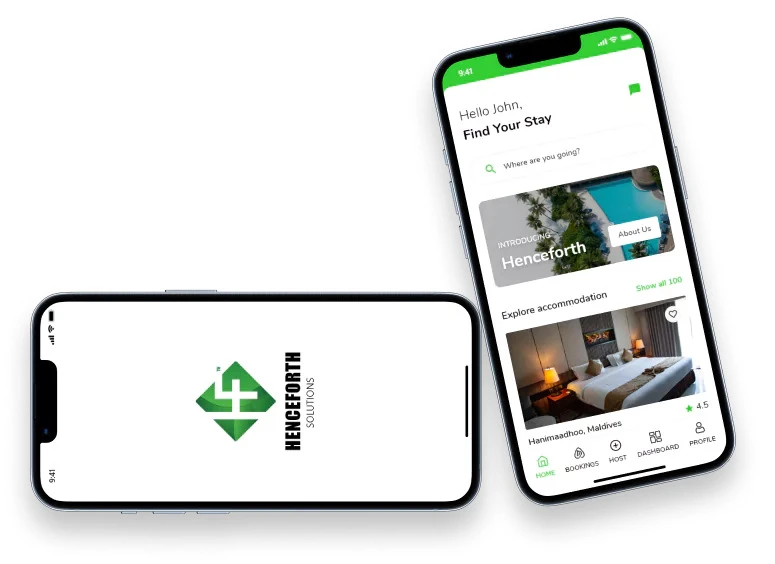
So, you're planning to launch into the vacation rental business with your own Airbnb clone? Developing a successful platform takes strategic planning and execution. This guide offers a step-by-step process for creating your Airbnb clone app, making it an easy ride from starting idea to launch, and emphasizes the necessity of selecting the best clone app development firm.
Step 1: Market Research and Planning
Before you begin coding, there needs to be proper market research4.
Know your audience: Decide who you are targeting with your platform4.
Study the competition: Examine current vacation rental platforms, such as Airbnb, to see their strengths and weaknesses.
Identify your unique value proposition: What will set your Airbnb clone apart from others?
Select your niche: Will you specialize in luxury rentals, budget stays, or a geographic location?
Step 2: Identifying Features and Functionality
Determine what features are necessary for your Airbnb clone script.
User Registration: Simple sign-up process for both guests and hosts.
Property Listings: Rich descriptions, excellent photographs, and precise location details.
Search and Filtering: Advanced search facilities to enable users to locate ideal accommodations.
Booking and Payment: Secure payment system with built-in payment gateways.
Messaging System: Real-time communication between hosts and guests.
Reviews and Ratings: Enable users to provide feedback and ratings.
Admin Dashboard: An all-in-one panel to manage listings, transactions, and users.
Consider introducing advanced features to make your app stand out:
Dynamic pricing using AI.
Multi-language support.
Social media integration.
Advanced analytics and reports.
Virtual assistant.
Step 3: Technology Stack Selection
The right technology selection is essential for security, performance, and scalability.
Frontend: React Native for cross-platform development.
Backend: Node.js with Express.js.
Database: MongoDB or MySQL.
Payment Gateway: Stripe or PayPal.
Cloud Services: AWS, Google Cloud, or Azure for hosting and storage.
Step 4: Design and Development
Produce wireframes and mockups to illustrate the user interface (UI) and user experience (UX)6. Prioritize developing a visually attractive, accessible, and intuitive design.
Develop the Frontend: Establish the user interface with React Native, with responsiveness on various devices.
Develop the Backend: Develop the server-side logic with Node.js and Express.js to manage user authentication, data handling, and API endpoints.
Integrate the Database: Integrate the backend with the database to store and retrieve information of users, property listings, and bookings.
Implement Payment Gateway: Implement a secure payment gateway to complete transactions between guests and hosts.
Develop the Admin Panel: Develop an admin panel to deal with users, listings, bookings, and settings of the platform.
Step 5: Testing and Quality Assurance
Rigorously test your Airbnb clone app to locate and remove bugs.
Functional Testing: Confirm all features are performing as desired.
Usability Testing: Make sure the app is intuitive and easy to use.
Performance Testing: Test the speed and responsiveness of the app.
Security Testing: Find and resolve any security risks.
Step 6: Deployment and Launch
After your app has been tested and optimized, it's deployment and launch time.
Select a Hosting Provider: Select a good hosting provider to host your app.
Submit to App Stores: Publish your app on the Apple App Store and Google Play Store.
Marketing and Promotion: Promote your app through social media, online advertising, and content marketing.
Step 7: Maintenance and Updates
After launching your app, ongoing maintenance and updates are essential.
Monitor Performance: Track app usage and identify areas for improvement.
Fix Bugs: Address any bugs or issues reported by users.
Add New Features: Regularly add new features and functionality to remain competitive.
Update Technology: Update your technology stack to maintain security and performance.
Selecting a Clone App Development Company
Choosing the right clone app development company is an important decision. Opt for a company with:
Experience: Successful track record of creating successful clone apps4.
Expertise: In-depth knowledge of the technologies needed to create a scalable and stable platform4.
Customization: Capability to customize the app to suit your individual business requirements1.
Support: Support and maintenance services on an ongoing basis6.
If you adhere to these steps, you can easily develop your own Airbnb clone app and gain access to the emerging vacation rental business. Just remember to prioritize offering a distinct value proposition, creating a seamless user experience, and constantly refining your platform as per user input6.