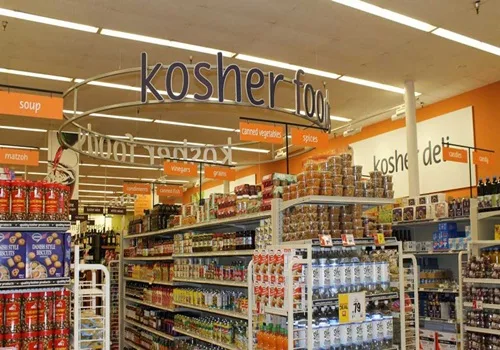
Many food businesses have heard that kosher certification can help them sell abroad, but they stall at the same point: where do we actually start? This guide walks through the journey in phases, from the first internal discussion to the first certified shipment and beyond. It is written for manufacturers, exporters, and brand owners who want a clear picture of what to do, in what order, and what to watch out for.
Phase 1: Decide Why You Want Certification
Before contacting anyone, get clear on your goal. Different goals lead to different priorities.
- Winning a specific buyer. An importer has asked for proof, so you need the right certificate and a realistic timeline.
- Entering a new region. You want to expand into markets where kosher products are widely sought.
- Supplying other manufacturers. Your ingredient is used in other foods, so your certificate keeps their products eligible.
- Building brand credibility. You want the independent verification that certification provides.
Knowing your goal helps you decide which products to certify first and which certifier to approach. A Kosher Certificate is most valuable when it matches what your target buyers expect.
Phase 2: Choose Your Starting Products
You do not have to certify everything at once. Many businesses begin with their best-selling or most export-ready items and expand later. When selecting products, consider:
- Which items are already requested by overseas buyers
- Which have the simplest ingredient lists
- Which are made on dedicated equipment
- Which carry the highest margins abroad
Starting small lets you learn the process, build documentation habits, and prove the return before committing further. This is how many suppliers in the Kosher India market have grown, one product line at a time.
Phase 3: Build Your Documentation Pack
This is the stage where most delays happen, and it is entirely within your control. Prepare:
- A product list with short descriptions
- Full ingredient lists with supplier names
- Supplier specification sheets and any existing certificates
- A simple process flow showing how each product is made
- Details of the equipment used and how it is cleaned
- Information about any shared lines, shared facilities, or contract manufacturers
Hidden problems often sit in small ingredients such as flavours, colours, release agents, and processing aids. Check each one with the supplier before the review begins, not after.
Phase 4: Understand the Product Categories
Different products raise different questions. Here are the types of items that commonly go through review, and what typically needs attention.
Spices and seasonings. Blends can include carriers, anti-caking agents, and flavour components that need verification.
Snacks and bakery. Frying oils, emulsifiers, glazes, and shared ovens or fryers are common review points.
Beverages and mixes. Flavours, colours, and stabilisers need confirmation.
Sauces and condiments. Vinegars, flavour bases, and thickeners deserve a close look.
Supplements and ingredients. Capsule materials, excipients, and carriers must be checked.
Together, these make up the broad family of Kosher certified products that Indian manufacturers now supply to global buyers.
Phase 5: Handle Dairy With Extra Planning
If your range includes dairy, build extra time into your plan. A Kosher certificate for dairy products requires careful review because kosher law keeps dairy and meat strictly separate. Be prepared to explain:
- Where your milk or dairy inputs come from
- Which cultures, enzymes, and additives are used
- Whether any line is shared with non-dairy items
- How equipment is cleaned between products
Producers of milk powder, ghee, butter, paneer, cheese, curd, whey, and dairy-based sweets who organise these answers early tend to move through the process more smoothly.
Phase 6: Select Your Certifier Carefully
The certifier you choose affects how your certificate is received abroad, so treat this as a strategic decision. Ask about:
- Which countries and buyers recognise the certificate
- How long the typical process takes
- What the fee covers and whether there are recurring charges
- How inspections are scheduled and conducted
- What support is offered for labels and buyer queries
Many exporters prefer a Globally Acceptable Kosher Certificate because it minimises the risk of a buyer rejecting the paperwork at the last minute.
Phase 7: Plan the Budget
Fees depend on how many products you certify, how complex the ingredients are, the size of your facility, and how often inspections occur. Rather than looking only for the cheapest quote, compare what each proposal includes.
If keeping spending low is a priority, there are sensible ways to become Kosher certified at lowest cost:
- Bundle similar products into one application
- Keep your ingredient list consistent
- Arrive at the inspection with clean, organised records
- Pre-collect supplier certificates
- Renew on time to avoid repeating work
A reasonably priced certificate that your buyers accept is far more valuable than a very cheap one they question.
Phase 8: Prepare for the Inspection
The inspector's visit confirms that your real-world process matches your paperwork. To prepare:
- Brief production, storage, and quality staff on what to expect
- Make sure ingredient storage is clearly labelled and separated
- Keep batch records and supplier invoices easy to find
- Confirm that cleaning procedures are written down and followed
- Walk the production floor yourself first to spot any gaps
Small fixes made before the visit save far more time than corrections afterwards.
Phase 9: Launch, Label, and Maintain
Once approved, you will receive guidance on how to use the kosher symbol on your packaging. Follow it exactly, as incorrect use can create problems with buyers and with your certifier. After launch:
- Notify your certifier before changing any ingredient or supplier
- Keep records up to date for periodic checks
- Calendar your renewal date well in advance
- Train new staff on the basics that affect their work
Certification is an ongoing commitment. Businesses that treat it as part of their regular quality system rarely run into trouble.
Regional Starting Points Across India
Food clusters across the country each bring their own advantages.
MumbaiThe city's port, trading community, hotels, and bakeries make it a natural centre for certification. Businesses seeking Kosher certification in Mumbai often aim to support container exports or premium hospitality supply.
AhmedabadGujarat is known for snacks, spices, dairy, and agro-processing. For manufacturers in the region, Kosher certification in Ahmedabad can help convert a strong domestic base into international orders.
HyderabadWith its growing food, catering, and nutraceutical sectors, Hyderabad has many businesses that benefit from certification. Companies exploring Kosher certification in Hyderabad can use it to stand out in busy retail and export categories.
A Quick Self-Assessment
Ask yourself these questions before you begin:
- Do I know which buyers or markets I am targeting?
- Have I chosen the first products to certify?
- Do I have complete ingredient and supplier information?
- Do I know which lines are shared and which are dedicated?
- Have I compared at least two certifier proposals?
- Is someone on my team responsible for ongoing compliance?
If you can answer yes to most of these, you are ready to move forward.
Conclusion
Certification does not need to feel overwhelming. Broken into phases, it becomes a manageable project: set your goal, pick your products, prepare your documents, choose your certifier, pass the inspection, and maintain compliance. The businesses that benefit most are the ones that start early and prepare thoroughly.
When you are ready to take the first step, visit Kosher Certification to learn about services and begin your application.