Businesses and organizations across industries rely on printed cards to represent their brand, reward loyal customers, and create memorable experiences. Whether the goal is to establish a professional identity or offer a tangible product that clients can use repeatedly, custom cards serve a wide range of practical purposes. This guide walks through the full process of bringing a card from initial concept to finished print, covering design principles, material selection, printing methods, and final production steps.
Understanding each stage of the process helps businesses make informed decisions and avoid common mistakes that lead to delays or results that fall short of expectations.
Understanding the Purpose of Custom Cards
Before any design work begins, it is important to define what the card needs to accomplish. Custom cards serve different functions depending on the business that orders them and the audience that receives them.
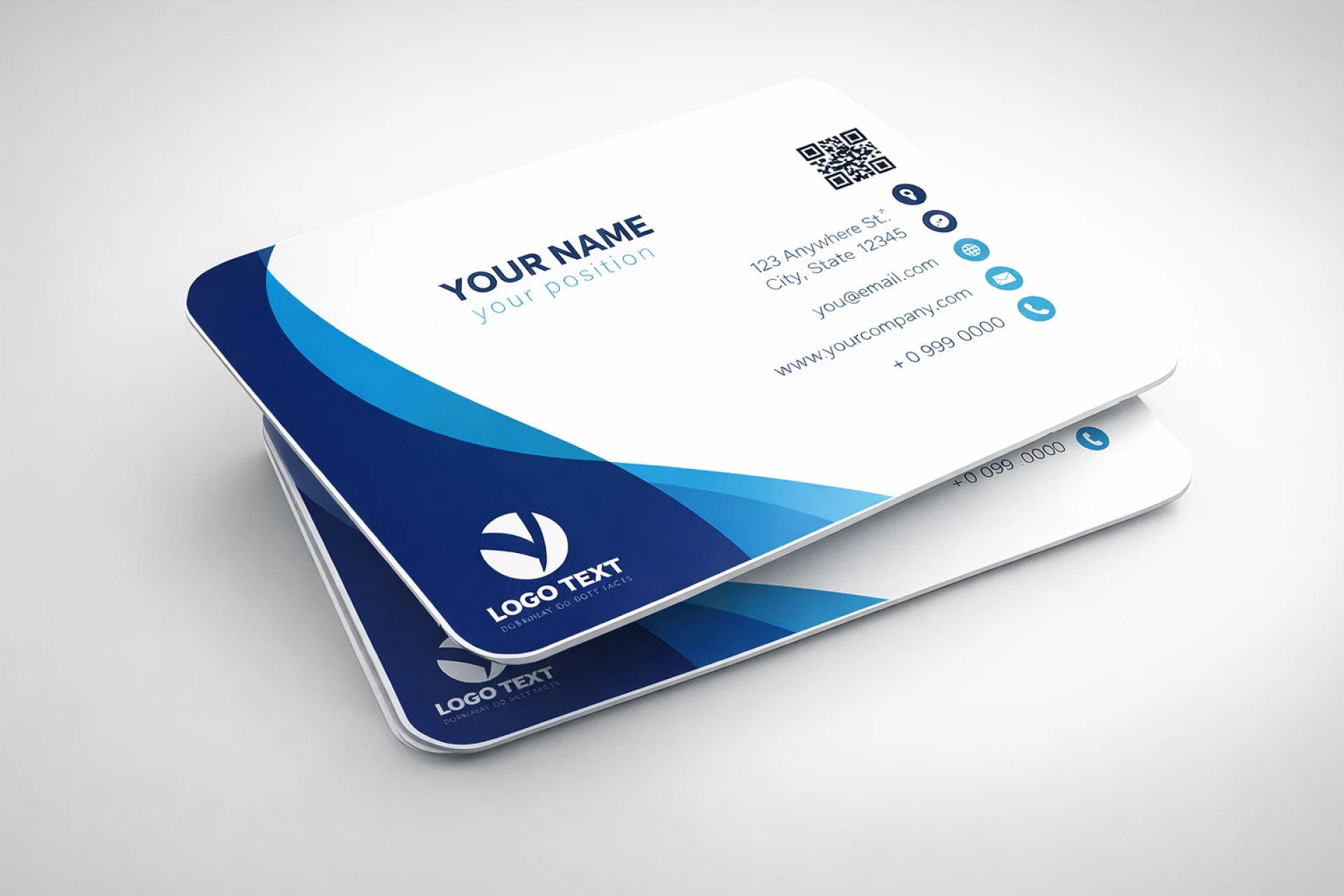
Business cards introduce a company or individual in professional settings. Loyalty cards encourage repeat visits by tracking purchases or points. Gift cards serve as a form of stored value that recipients can redeem at a later date. Membership cards grant access to services, spaces, or benefits reserved for a specific group. Each of these use cases calls for a different approach to design, material, and printing.
Establishing the card's primary function at the outset ensures that all subsequent decisions, from artwork layout to material thickness, support that goal.
Setting Up the Design
The design phase is where a card's visual identity takes shape. A well-structured layout communicates information clearly, accurately reflects the brand, and holds up well across different print materials. Poor design choices, on the other hand, can result in cards that look unprofessional or that lose quality during production.
File Format and Resolution
Print-ready artwork must be set up at a resolution of at least 300 dots per inch (DPI). Images or graphics prepared at screen resolution (72 DPI) will appear blurry or pixelated when printed. Most professional print suppliers accept files in PDF, AI, EPS, or high-resolution TIFF formats. It is advisable to confirm the accepted file types with the supplier before finalizing the design.
Color mode is equally important. Print production uses the CMYK color model, which differs from the RGB model used on screens. Artwork created in RGB may shift in color once converted to CMYK, so designs should be built in CMYK from the start to ensure color accuracy.
Bleed, Safe Zone, and Trim Lines
Standard card dimensions are CR80 (3.375 by 2.125 inches), the same as a standard credit card and compatible with most wallets and cardholders. When setting up artwork, designers should include a bleed area of at least 0.125 inches on all sides. This extra space ensures that background colors and images extend to the card edge after trimming, preventing white borders from appearing around the finished card.
A safe zone should also be maintained inside the trim line, keeping all critical text and logos at least 0.125 inches from the edge. This protects important information from being cut off during production.
Choosing the Right Material
Material selection has a significant impact on how a card looks, feels, and performs. The material should match the card's intended use and the image the business wants to project.
Paper stock is the most basic option and is suitable for low-volume or short-term applications. However, for businesses that want a card that holds up over time and conveys a higher level of quality, plastic offers considerable advantages.
Custom hard plastic cards are produced from PVC and offer a level of durability that paper cannot match. PVC cards resist water, bending, and general wear, making them well-suited for loyalty programs, membership cards, and any application where the card will be used repeatedly over an extended period.
Clear or frosted plastic is another option. These materials add a visual dimension that standard white plastic lacks. The see-through quality of clear PVC cards creates a distinctive appearance that helps them stand out in professional settings.
Thickness and Finish Options
Card thickness is measured in millimeters or thousandths of an inch. The standard CR80 card is 0.030 inches (30 mil) thick, the same thickness as most credit and debit cards. Thicker cards feel more substantial in hand and are often associated with premium products.
Finish choices include gloss, matte, and soft-touch coatings. Glossy finishes enhance color vibrancy and give the card a polished appearance. Matte finishes reduce glare and produce a more understated result. Soft-touch coatings add a tactile quality that many recipients find appealing. The right finish depends on the brand's aesthetic and the impression it wants to make.
Personalized Plastic Gift Cards in Retail and Hospitality
Among the most widely used card formats in the retail and service industries, personalized plastic gift cards serve both transactional and marketing functions. When a customer purchases a gift card, they are essentially bringing a physical representation of the brand into another person's hands, often someone who has not previously visited the business.
The design of personalized plastic gift cards should clearly reflect the brand while also making the cards visually appealing to recipients. Seasonal or themed designs can increase the perceived value of the card, making it more likely to be used and kept rather than discarded.
Personalization options can include variable data printing, which allows each card in a batch to carry a unique barcode, card number, or name. This capability is particularly useful for loyalty programs, where each card must be individually identifiable within a tracking system.
The Printing Process
Once the artwork is finalized and the material has been selected, the card moves into production. Professional print suppliers use one of two primary methods to apply graphics to plastic card stock.
Digital printing is the more common method for short to medium runs. It transfers artwork directly to the card surface using specialized toner or inkjet systems adapted for plastic substrates. Digital printing allows for fast turnaround and is cost-effective for orders that do not require large quantities.
Offset printing is better suited to high-volume orders where consistent color reproduction across a large batch is a priority. It requires the creation of printing plates, which adds preparation time but results in very high color accuracy and uniformity.
After printing, the cards undergo a lamination process that bonds the printed layers and applies the selected finish. Cards are then cut to the specified dimensions using precision cutting equipment.
Quality Control Before Delivery
A quality review before printing is a standard step at reputable print suppliers. This review checks that artwork files meet technical specifications, that colors are set up correctly for print, and that there are no layout errors. Catching these issues before the print run saves time and prevents reorders.
After production, finished cards are inspected for print quality, consistency, and any surface defects. Cards that do not meet the required standard are removed from the batch before shipping. Businesses should ask their print supplier about their quality assurance process before placing an order.
Working With a Professional Supplier
Selecting the right printing partner is one of the most important decisions in the card production process. A reliable supplier will offer clear communication, accurate turnaround timelines, and a quality guarantee on finished products.
Perfect Plastic Cards is a North American supplier specializing in full-color plastic card printing. The company offers a range of card types, including clear, frosted, and standard PVC options, with low minimum order quantities that make plastic card printing accessible to businesses of all sizes. Orders are reviewed for artwork quality before production begins, and rush turnaround options are available for time-sensitive needs. Perfect Plastic Cards can be reached at 289-231-6898 or through their website for quotes and artwork uploads.
Shipping and Turnaround Time
Turnaround time varies depending on the order's complexity and the supplier's production schedule. Standard production for plastic cards typically runs between five and fifteen business days, with rush options available for urgent orders. Businesses planning cards for a specific event or launch date should place orders well in advance and confirm the expected delivery window with their supplier at the time of ordering.
Shipping options generally range from standard ground delivery to expedited services. For large volume orders, some suppliers offer free shipping, which can represent a meaningful savings on overall production costs.
Conclusion
Producing custom cards that meet professional standards requires attention at every stage of the process, from the initial design setup through material selection, printing, and final quality review. Each decision affects the finished product, and a clear understanding of the process helps businesses avoid errors and produce cards that accurately represent their brand.
Whether a business is ordering custom hard plastic cards for a loyalty program, personalized plastic gift cards for a retail promotion, or professional business cards for a sales team, working with an experienced supplier and preparing artwork correctly from the start are the two factors most likely to result in a successful outcome.