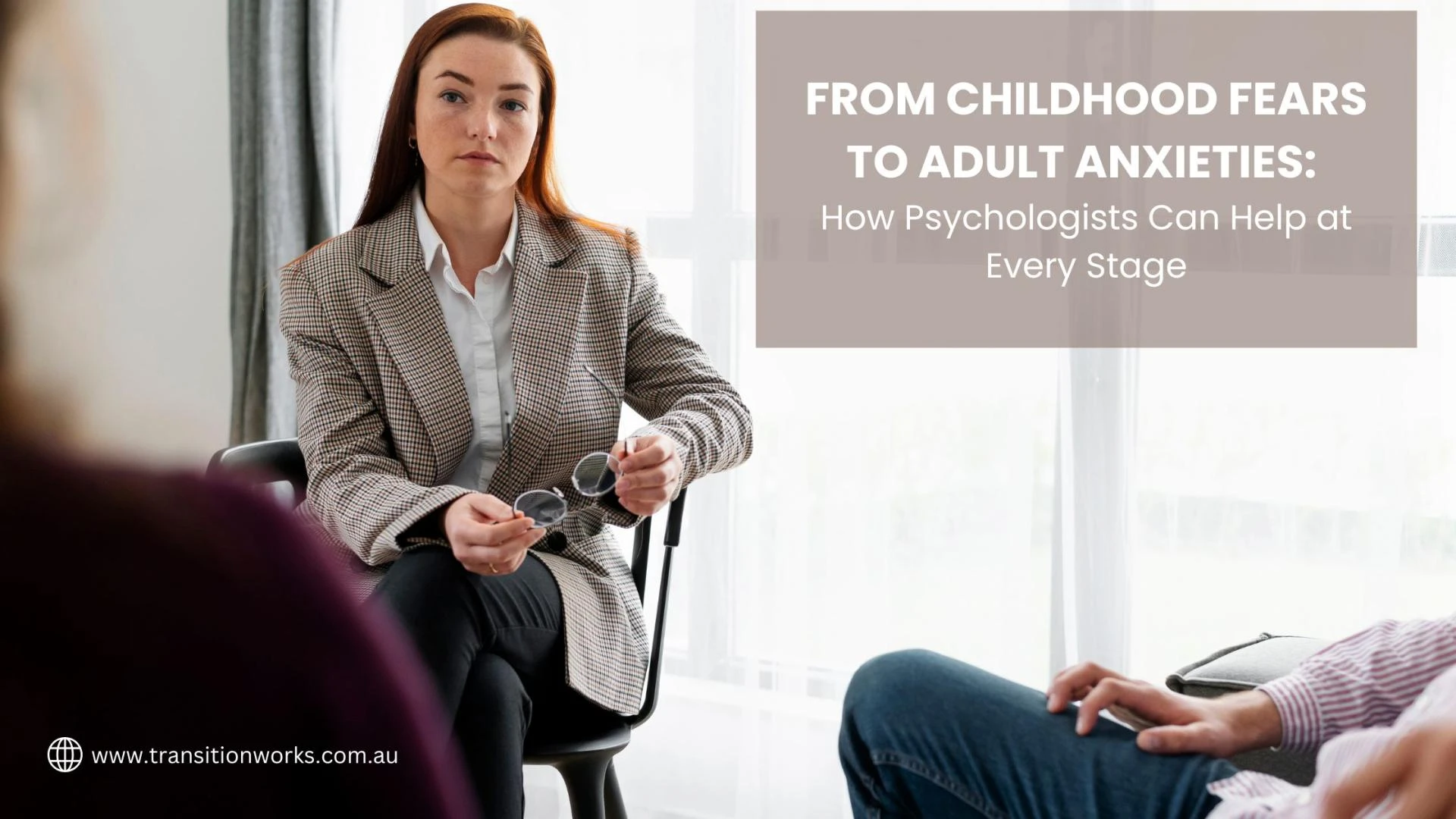
Anxiety is a common mental health concern that can manifest at various stages of life. While childhood fears often seem minor, they can become significant anxieties during adulthood if left unaddressed. Understanding the link between these emotional struggles and knowing when to seek professional help can significantly affect overall well-being. Both child psychologists and adult psychologists play crucial roles in supporting mental health across the lifespan.
Understanding Childhood Fears and Their Origins
Fears experienced during childhood are a natural part of development. These anxieties may stem from unfamiliar experiences, separation from parents, or the influence of the media. For instance, common fears such as darkness, loud noises, or strangers are often observed in younger children. While these concerns typically fade with time, some fears may persist or intensify, signalling a deeper psychological challenge.
A child psychologist can provide tailored interventions that help children process their emotions in a safe and supportive environment. Techniques such as play therapy, cognitive-behavioural strategies, and parental guidance are frequently used to reduce anxiety. By addressing these concerns early, long-term mental health risks can often be minimised.
The Impact of Childhood Anxiety on Adult Mental Health
Unresolved childhood anxiety has been linked to emotional struggles later in life. Research suggests that individuals who experience excessive worry, phobias, or social anxiety as children may be at greater risk of developing more complex mental health conditions in adulthood.
Issues such as low self-esteem, difficulty forming relationships, or heightened stress responses are commonly observed in those who faced anxiety in childhood. Therefore, understanding how early fears evolve is essential in managing mental well-being.
How Childhood Trauma Affects Adulthood
Emotional wounds from childhood, especially those linked to trauma, can influence behaviour well into adulthood. Experiences such as bullying, parental conflict, or loss may contribute to heightened anxiety responses in later years.
A qualified adult psychologist can help individuals recognise the roots of their anxiety, providing strategies to break negative thought patterns. By exploring these past experiences, coping mechanisms are often improved, allowing individuals to regain control over their emotional well-being.
The Role of Psychologists in Treating Anxiety
Both child psychologists and adult psychologists use evidence-based techniques to manage anxiety disorders. While children may respond well to creative therapies that encourage expression, adults often benefit from structured counselling methods such as:
- Cognitive Behavioural Therapy (CBT): This widely used approach focuses on identifying and reframing negative thought patterns, offering practical coping strategies for managing anxiety.
- Mindfulness Techniques: These strategies, which promote present-moment awareness, are useful in reducing anxiety responses in both children and adults.
- Exposure Therapy: This method is particularly effective for individuals with phobias, helping them confront their fears in a controlled and safe environment.
- Family Therapy: In cases where anxiety is influenced by family dynamics, this approach can address underlying concerns and improve communication within the household.
Recognising When to Seek Help
Identifying the signs of anxiety can be challenging, particularly in children who may struggle to express their emotions.
Some key indicators that professional support may be beneficial include:
- Persistent worry that interferes with daily activities
- Avoidance of social situations or new experiences
- Difficulty sleeping or frequent nightmares
- Unexplained physical symptoms such as headaches or stomach aches
- Excessive clinginess or difficulty separating from parents
For adults, anxiety may present itself through:
- Ongoing restlessness or irritability
- Difficulty concentrating or making decisions
- Feelings of impending doom or excessive worry
- Avoidance of responsibilities due to overwhelming fear
- Physical symptoms such as chest tightness, dizziness, or fatigue
In both cases, seeking support from a qualified child psychologist or adult psychologist can provide essential guidance in addressing these symptoms.
Building Emotional Resilience Across Generations
Developing strong coping skills during childhood can significantly improve emotional resilience later in life. Parents are encouraged to promote open communication, create predictable routines, and model healthy emotional responses to help children build these essential skills.
For adults, strategies such as mindfulness, social support, and relaxation techniques have been shown to reduce anxiety. Engaging in activities that promote positive mental health, such as exercise or creative hobbies, can further support emotional balance.
How Transition Works Can Support Your Journey
At Transition Works, we understand the complexities of anxiety and the lasting impact it can have on individuals and families. By promoting early intervention, emotional support, and tailored psychological care, we believe that mental well-being can be strengthened at every stage of life. Whether you are navigating childhood fears or coping with adult anxieties, seeking guidance from experienced professionals can make a profound difference.
Understanding that anxiety evolves allows individuals to take proactive steps in managing their mental health. By addressing concerns early and developing effective coping strategies, a healthier and more resilient future can be achieved.