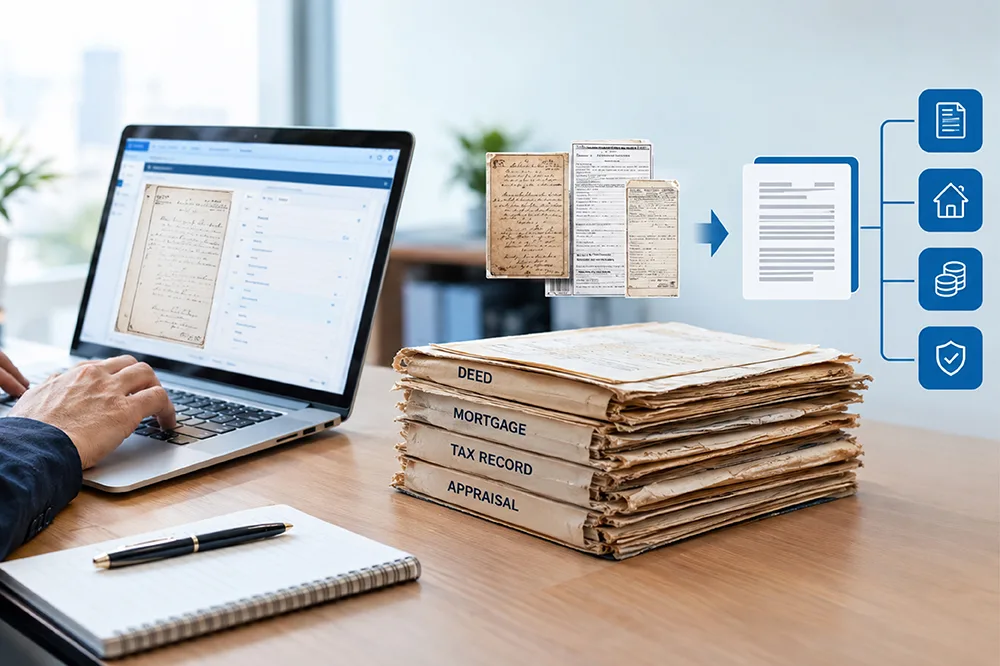

Healthcare organizations today operate in an environment where operational efficiency directly impacts patient care quality and financial sustainability. Hospitals must coordinate numerous administrative functions including admissions, billing, scheduling, inventory control, compliance documentation, and staff management. When these processes rely on manual workflows or disconnected systems, hospitals often experience operational chaos that slows down services and increases administrative costs.
This is where hospital administration software becomes a powerful solution for modern healthcare institutions. By centralizing administrative operations into a unified digital system, hospitals can streamline workflows, reduce operational errors, and gain better control over their resources. The return on investment (ROI) from implementing hospital administration software goes beyond cost savings it creates a structured operational environment that improves productivity, transparency, and decision-making.
The Administrative Chaos Facing Modern Hospitals
Hospitals manage thousands of operational tasks every day, from patient registrations and appointment scheduling to billing and insurance verification. Without a structured digital system, these processes often depend on manual coordination between departments, which leads to communication gaps, duplicate data entry, and administrative inefficiencies.
Hospital administration software helps eliminate this chaos by integrating administrative workflows into a centralized digital platform. By connecting departments such as admissions, finance, pharmacy, and diagnostics, hospitals can ensure smooth information flow, faster task execution, and more organized operational management across the entire institution.
Automating Repetitive Administrative Workflows
Administrative teams in hospitals spend a large portion of their time managing repetitive tasks such as appointment scheduling, billing documentation, patient registration, and insurance processing. When these processes are handled manually, they consume valuable staff time and increase the likelihood of human errors.
Hospital administration software automates these repetitive tasks through intelligent workflow management. Automation reduces paperwork, improves data accuracy, and allows hospital staff to focus on higher-value responsibilities such as patient coordination and operational planning, ultimately improving overall hospital productivity.
Connecting Departments Through Unified Systems
One of the major operational challenges in hospitals is the lack of coordination between departments. When administrative and clinical departments operate in isolated systems, delays often occur in patient admissions, diagnostic requests, billing approvals, and pharmacy coordination.
Hospital administration software solves this challenge by creating a connected operational ecosystem where information flows seamlessly between departments. With centralized data access, hospital staff can collaborate more effectively, reducing communication delays and ensuring smoother patient management from admission to discharge.
EMR Software System Bringing Clinical Records into Administrative Workflows
An EMR Software System plays a crucial role in complementing hospital administration software by digitizing patient medical records and connecting them with administrative operations. EMR platforms store patient histories, treatment records, prescriptions, diagnostic reports, and clinical documentation in a secure digital environment.
When integrated with hospital administration software, EMR systems improve coordination between clinical teams and administrative departments. Doctors, nurses, and administrators can access accurate patient information instantly, enabling faster clinical decisions, better documentation accuracy, and improved collaboration across hospital teams.
Improving Financial Transparency and Revenue Management
Financial management is one of the most complex aspects of hospital operations. Hospitals must handle multiple financial processes including patient billing, insurance claims, payment tracking, and revenue reporting. Inefficient financial workflows can lead to delayed payments and revenue losses.
Hospital administration software improves financial transparency by automating billing processes and integrating insurance claim management into a unified system. Administrators can monitor revenue streams in real time, generate financial reports instantly, and identify operational areas where cost optimization is possible.
Supporting Compliance and Accreditation Documentation
Healthcare institutions must comply with numerous regulatory frameworks and accreditation standards that require accurate documentation and administrative transparency. Maintaining compliance records manually increases the risk of missing important documentation during inspections or audits.
Hospital administration software helps hospitals maintain structured digital records for administrative activities. The system automatically records operational actions, creating a reliable audit trail that allows hospitals to retrieve documentation quickly and demonstrate compliance during regulatory evaluations.
Optimizing Resource and Inventory Utilization
Hospitals depend heavily on medical supplies, pharmaceuticals, and equipment to deliver patient care efficiently. Without proper monitoring systems, hospitals may face inventory shortages or excess stock, both of which increase operational costs.
Hospital administration software provides real-time visibility into inventory levels and supply usage patterns. Administrators can monitor stock availability, receive automated alerts for replenishment, and ensure efficient resource allocation across departments, preventing waste and improving operational cost control.
Enhancing Workforce Coordination and Productivity
Hospital staff management is a critical component of administrative efficiency. Coordinating staff schedules, managing attendance, and ensuring proper workload distribution can be challenging when handled through manual methods.
Hospital administration software simplifies workforce management by automating scheduling processes and tracking staff availability. Administrators can ensure balanced staffing levels across departments while reducing scheduling conflicts, ultimately improving staff productivity and maintaining uninterrupted hospital operations.
Elevating Patient Experience Through Organized Administration
Administrative efficiency plays an important role in shaping patient experience. Long waiting times, complex billing processes, and delayed discharge procedures often create frustration among patients and their families.
Hospital administration software improves administrative workflows by digitizing patient registration, appointment scheduling, and billing operations. Faster processes reduce waiting times and allow hospitals to provide a more organized and patient-friendly healthcare experience.
Data-Driven Hospital Leadership and Strategic Planning
Modern hospital leaders rely on accurate data to make strategic decisions about operations, staffing, and financial planning. Without reliable operational insights, administrators may struggle to identify inefficiencies and opportunities for improvement.
Hospital administration software provides real-time analytics and reporting tools that help administrators monitor hospital performance. Through dashboards and automated reports, hospital leaders can evaluate patient flow, departmental productivity, and financial performance, enabling smarter decision-making.
Conclusion
Hospitals today must balance operational efficiency with the responsibility of delivering high-quality healthcare services. Hospital administration software transforms hospital operations by automating administrative workflows, integrating clinical systems like EMR, and improving coordination between departments. By implementing modern digital administrative platforms, hospitals can reduce operational chaos, improve financial transparency, and create a structured environment that supports both staff productivity and patient satisfaction.
Healthcare organizations seeking smarter hospital operations can explore advanced healthcare technology solutions from Grapes Innovative Solutions.
FAQ
What is hospital administration software and how does it improve hospital operations?
Hospital administration software is a digital platform that manages hospital administrative tasks such as billing, scheduling, reporting, and staff coordination. It improves efficiency by automating workflows, reducing errors, and enabling better coordination between departments.
How does hospital administration software improve hospital financial performance?
The software automates billing processes, tracks insurance claims, and generates financial reports that help hospitals monitor revenue cycles. By reducing billing errors and improving payment tracking, hospitals can strengthen financial transparency and operational profitability.
Why is EMR software important for hospitals using administrative software?
EMR software stores patient medical records digitally and connects clinical data with administrative workflows. This integration helps doctors and administrators access accurate patient information quickly, improving clinical decision-making and hospital coordination.
#HospitalAdministrationSoftware #HospitalManagementSoftware #HealthcareIT #DigitalHealth #HospitalAutomation #HealthcareTechnology #EMRSoftware #HealthTechSolutions #SmartHospitals #HealthcareManagement #MedicalSoftware #HospitalEfficiency #HealthITInnovation #HealthcareTransformation #HospitalOperations