In the ever-evolving world of digital marketing, staying ahead of trends is no longer optional — it’s essential. As technology advances and consumer behavior shifts, the digital marketing landscape continues to transform at a rapid pace. The future of digital marketing promises more personalization, automation, and intelligence than ever before. But what exactly does this future look like?
Let’s explore the key trends that are shaping the future of digital marketing and how businesses and marketers can prepare to thrive in the digital era.
1. AI and Machine Learning Will Lead the Way
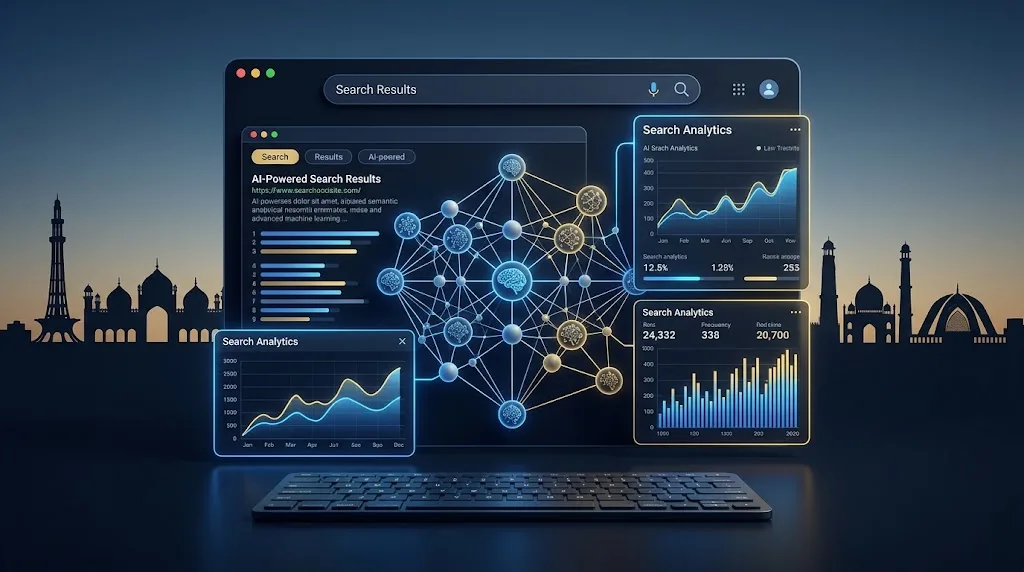
Artificial Intelligence (AI) is already revolutionizing the way marketers collect data, analyze user behavior, and create content. In the future, AI-powered tools will become even more integral to digital marketing strategies. Expect smarter chatbots, predictive analytics, and highly personalized content generation that saves time and improves user experience.
AI will help marketers:
- Automate repetitive tasks
- Predict consumer preferences
- Optimize campaigns in real-time
- Deliver personalized experiences at scale
Pro Tip: Start integrating AI-driven tools like ChatGPT, Jasper, and Google’s Performance Max into your strategy now.
2. Voice Search and Smart Devices Will Change SEO
With the growing use of smart speakers and voice assistants like Alexa, Siri, and Google Assistant, voice search is changing how users find information. By 2025, it's estimated that over 50% of all online searches will be voice-based.
To stay competitive:
- Focus on long-tail keywords
- Use natural language in content
- Optimize for local search queries
- Implement schema markup for rich results
Voice search SEO is not just a trend — it’s the future of search engine visibility.
3. Short-Form Video Will Dominate
Platforms like TikTok, Instagram Reels, and YouTube Shorts have proven the power of bite-sized video content. In the future, short-form videos will dominate content marketing due to their high engagement and viral potential.
Video marketing strategies should:
- Be authentic and relatable
- Include captions for accessibility
- Focus on storytelling in 60 seconds or less
- Align with platform-specific trends and algorithms
Fact: Videos get up to 1200% more shares than text and images combined.
4. Hyper-Personalization Will Be the Norm
Today’s consumers expect more than just personalized emails. In the future, hyper-personalization — using real-time data and AI to deliver highly relevant content — will be the standard.
Marketers will need to:
- Leverage data from multiple touchpoints
- Create dynamic content tailored to individuals
- Use behavioral triggers for automated campaigns
- Invest in Customer Data Platforms (CDPs)
Hyper-personalization isn’t just good marketing — it’s what your audience expects.
5. The Rise of Augmented Reality (AR) and Virtual Reality (VR)
As AR and VR technologies become more accessible, brands will use immersive experiences to engage users in innovative ways. From virtual try-ons to interactive product demos, AR/VR marketing is going mainstream.
Future applications include:
- Virtual showrooms for e-commerce
- AR-powered ads and filters on social media
- Immersive storytelling through 360° experiences
Industries like fashion, beauty, real estate, and travel will especially benefit from AR/VR integration.
6. Privacy, Data Security & Ethical Marketing Will Take Center Stage
With the phasing out of third-party cookies and growing concerns about data privacy, marketers must adopt transparent, ethical practices.
Future-proof your strategy by:
- Building first-party data sources
- Being GDPR and CCPA compliant
- Using consent-based data collection
- Prioritizing user trust over aggressive targeting
Remember: Ethical marketing builds long-term brand loyalty.
7. The Power of Micro-Influencers and UGC
Influencer marketing is shifting away from celebrities to micro-influencers and user-generated content (UGC). These smaller voices often have more authentic engagement and trust with niche audiences.
In the future:
- UGC will power brand credibility
- Micro-influencers will drive localized campaigns
- Community-led content will outperform polished ads
Collaborating with real voices means real results.
8. Omnichannel Marketing Will Be Standard
The future consumer journey spans multiple platforms and devices. To keep up, brands must deliver seamless experiences across all digital touchpoints — website, mobile app, email, social media, and beyond.
To succeed:
- Use integrated marketing automation tools
- Maintain brand consistency across platforms
- Analyze multi-channel user behavior
- Ensure mobile-first, responsive design
Omnichannel isn’t just about being everywhere — it’s about being everywhere with purpose.
Final Thoughts: Preparing for the Future
The future of digital marketing is fast, intelligent, and deeply human-centered. While technology will play a major role, empathy, trust, and authenticity will remain at the heart of successful marketing.
Whether you’re a brand, freelancer, or agency — now is the time to invest in digital transformation. Embrace change, stay updated with trends, and never stop learning.
Because in the world of digital marketing, the future belongs to those who are prepared for it.