
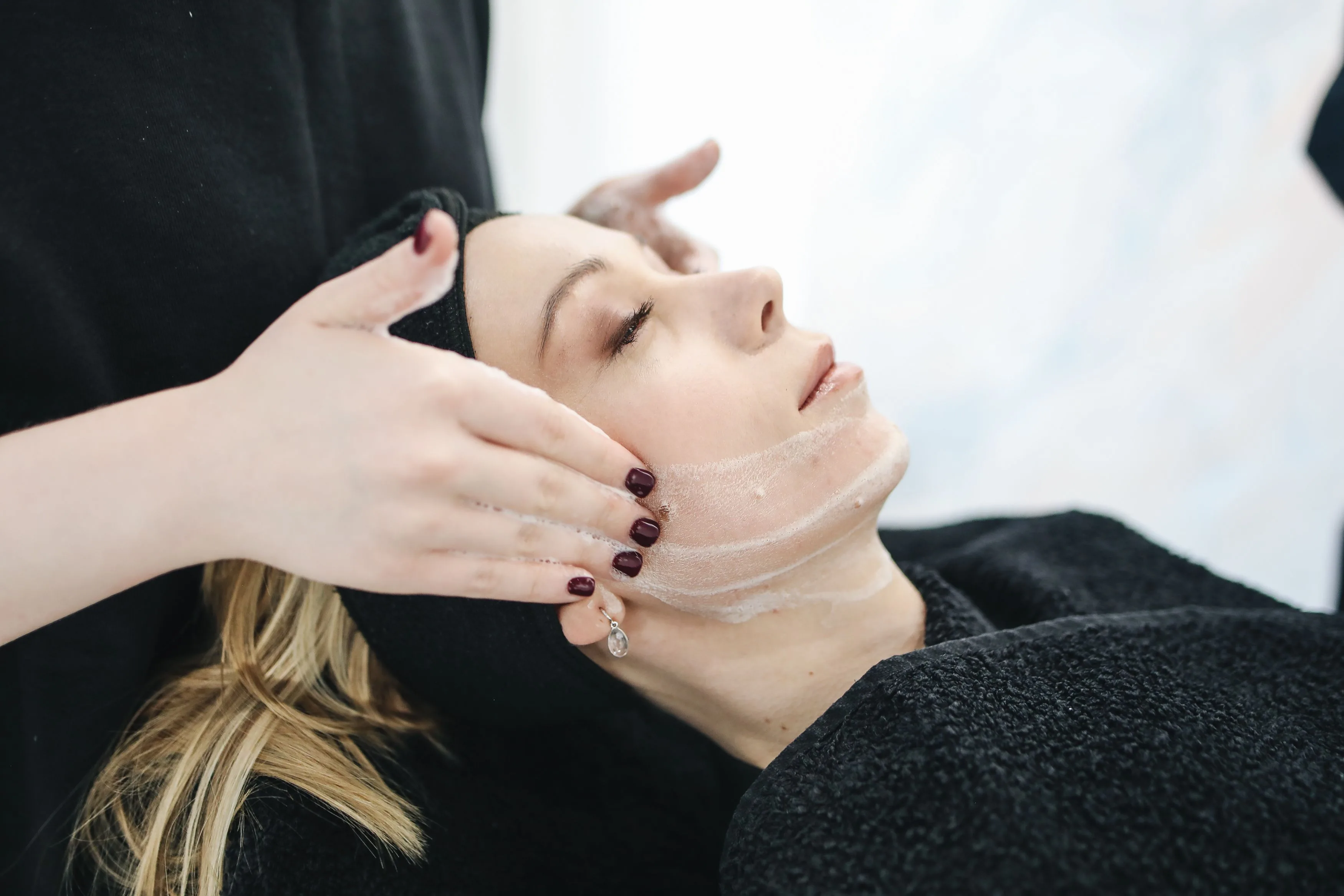
Healthy skin is more than a cosmetic goal—it reflects your overall health, confidence, and quality of life. Whether you're struggling with persistent acne, pigmentation, eczema, rosacea, premature aging, or unexplained skin changes, consulting a dermatologist in London can make a significant difference. Unlike generic skincare advice found online, a dermatologist provides evidence-based diagnosis and personalized treatment plans tailored to your unique skin concerns.
With advancements in dermatology, patients now have access to medical therapies, minimally invasive cosmetic procedures, and preventive skin health strategies that deliver long-term results. This guide explores how to choose the right skin specialist, which treatments are available for different skin conditions, and what to expect during your skincare journey.
Why Seeing a Consultant Dermatologist Matters
Many people spend months—or even years—experimenting with over-the-counter skincare products before seeking professional advice. While some products may temporarily improve symptoms, they rarely address the underlying cause of skin problems.
A consultant dermatologist is a medically trained skin specialist who diagnoses and treats conditions affecting the skin, hair, and nails. Their expertise extends beyond cosmetic improvements, encompassing the prevention, diagnosis, and management of both common and complex dermatological disorders.
Consulting a dermatologist offers several benefits:
- Accurate diagnosis rather than guesswork
- Personalized treatment plans based on skin type
- Access to prescription-strength medications
- Professional cosmetic procedures
- Early detection of skin cancer
- Long-term skin health management
- Evidence-based recommendations instead of marketing claims
Rather than treating symptoms alone, dermatologists identify the root cause, resulting in safer and more effective outcomes.
Common Skin Conditions That Require Professional Care
Skin conditions vary greatly in severity and often require specialized treatment. Early intervention can prevent permanent damage and improve treatment success.
Acne and Acne Scarring
Acne affects teenagers and adults alike. Hormonal fluctuations, genetics, excess oil production, bacteria, and inflammation all contribute to breakouts.
Professional treatments may include:
- Prescription topical medications
- Oral antibiotics
- Hormonal therapy
- Isotretinoin
- Chemical peels
- Laser treatments
- Microneedling for acne scars
- LED light therapy
Treating acne early significantly reduces the likelihood of permanent scarring.
Hyperpigmentation and Uneven Skin Tone
Dark spots, melasma, post-inflammatory pigmentation, and sun damage can be difficult to treat without medical guidance.
A dermatologist evaluates factors such as:
- Skin type
- Hormonal influences
- UV exposure
- Previous treatments
- Underlying medical conditions
Treatment options may include topical prescription creams, chemical exfoliation, laser therapies, and pigment-correcting skincare.
Rosacea
Rosacea is often mistaken for sensitive skin or acne. It typically presents with facial redness, visible blood vessels, flushing, and inflammatory bumps.
Treatment focuses on reducing inflammation, strengthening the skin barrier, and preventing flare-ups through personalized skincare and prescription medications.
Eczema and Psoriasis
These chronic inflammatory conditions require ongoing management rather than one-time treatment.
Dermatologists help patients:
- Reduce flare-ups
- Minimize itching
- Prevent infections
- Improve skin barrier function
- Select suitable moisturizers
- Identify triggers
Modern biologic medications have transformed treatment outcomes for many patients with severe psoriasis.
Hair and Scalp Disorders
Hair loss can result from genetics, hormones, nutritional deficiencies, autoimmune diseases, or stress.
Professional evaluation may include:
- Scalp examination
- Blood tests
- Trichoscopy
- Hair pull tests
Treatment options often involve prescription medications, PRP therapy, nutritional correction, and targeted scalp treatments.
Understanding Skin Aging and Prevention
Skin aging begins earlier than many people realize. While genetics play a role, environmental factors account for much of visible aging.
Major contributors include:
- UV exposure
- Pollution
- Smoking
- Poor sleep
- Chronic stress
- Dehydration
- Nutritional deficiencies
Signs of aging include:
- Fine lines
- Wrinkles
- Loss of elasticity
- Volume depletion
- Dull complexion
- Uneven pigmentation
- Enlarged pores
Preventive dermatology focuses on preserving collagen, protecting against UV damage, and maintaining healthy skin throughout life.
Modern Anti-Aging Treatments Recommended by Dermatologists
Today's dermatology combines medical science with advanced technology to address aging concerns without extensive downtime.
Popular treatments include:
Injectable Treatments
These reduce dynamic wrinkles and restore facial volume while maintaining natural facial expressions when performed appropriately.
Laser Skin Rejuvenation
Fractional lasers stimulate collagen production, improve texture, reduce pigmentation, and soften acne scars.
Microneedling
Controlled micro-injuries stimulate the skin's natural healing process and collagen formation, improving scars, enlarged pores, and fine lines.
Radiofrequency Skin Tightening
Radiofrequency technology targets deeper skin layers to stimulate collagen remodeling and improve skin firmness.
How Chemical Peels Improve Skin Health
Chemical peels remain among the most versatile dermatological treatments available today. They exfoliate damaged skin layers, revealing healthier, brighter skin beneath.
Depending on the patient's skin concerns, peels may help with:
- Acne
- Acne scars
- Melasma
- Fine lines
- Pigmentation
- Sun damage
- Rough texture
- Enlarged pores
Professional assessment ensures the appropriate peel strength is selected based on skin type and treatment goals.
Why Face Peel London Treatments Are Popular
For individuals seeking advanced skin rejuvenation, face peel London treatments have become increasingly popular due to their ability to address multiple concerns simultaneously. Whether treating acne scars, uneven skin tone, early aging, or dull complexion, professionally administered chemical peels offer controlled exfoliation that encourages healthier skin renewal.
A dermatologist evaluates your skin type, medical history, lifestyle, and desired outcomes before recommending the most suitable peel. This personalized approach minimizes complications while maximizing visible improvements. Patients often combine face peels with medical skincare, microneedling, or laser treatments for enhanced long-term results.
What Happens During Your Dermatology Consultation?
Your first appointment typically involves a comprehensive assessment rather than simply prescribing products.
The consultation usually includes:
- Medical history review
- Lifestyle assessment
- Skin examination
- Current skincare review
- Diagnosis
- Treatment discussion
- Preventive advice
- Follow-up planning
Photographs may also be taken to monitor treatment progress over time.
How to Choose the Right Skin Care Expert
Choosing the right dermatologist is essential for achieving safe, effective, and lasting results.
Consider the following factors:
Qualifications
Ensure the practitioner is fully qualified with recognized dermatology training and relevant certifications.
Clinical Experience
Experience treating your specific condition often leads to more accurate diagnosis and better outcomes.
Personalized Treatment
Avoid clinics that recommend identical treatments for every patient. Individualized care delivers better long-term results.
Technology
Modern dermatology practices often offer advanced diagnostic tools, lasers, and evidence-based procedures.
Patient Reviews
Independent reviews can provide insights into communication, professionalism, treatment outcomes, and patient satisfaction.
Transparent Consultation
A trustworthy dermatologist explains available options, expected results, risks, costs, and realistic timelines before beginning treatment.
Daily Skincare Habits That Support Professional Treatment
Professional procedures produce the best results when combined with consistent daily skincare.
An effective routine generally includes:
Morning:
- Gentle cleanser
- Antioxidant serum
- Moisturizer
- Broad-spectrum SPF 30–50 sunscreen
Evening:
- Cleanser
- Targeted treatment
- Retinoid (if appropriate)
- Moisturizer
Lifestyle habits such as balanced nutrition, adequate hydration, quality sleep, regular exercise, and avoiding smoking also contribute significantly to healthy skin.
Frequently Asked Questions
When should I see a consultant dermatologist?
If a skin condition persists for more than a few weeks, worsens despite treatment, causes pain, itching, bleeding, or affects your confidence, professional evaluation is recommended.
Can acne be permanently cured?
While acne may not always have a permanent cure, modern dermatology can effectively control breakouts, prevent scarring, and maintain long-term skin health.
Are chemical peels safe?
When performed by qualified professionals after appropriate skin assessment, chemical peels are considered safe for most patients.
How many treatments are usually needed?
The number varies depending on the condition being treated, skin type, and desired outcomes. Some concerns improve after one treatment, while others require multiple sessions.
Is sunscreen necessary every day?
Yes. Daily sunscreen use is one of the most effective methods for preventing premature aging, pigmentation, and UV-related skin damage.
Final Thoughts
Your skin changes throughout every stage of life—from teenage acne to adult pigmentation and the visible effects of aging. Rather than relying on trial-and-error skincare, consulting an experienced dermatologist provides an accurate diagnosis, individualized treatment, and a long-term strategy for maintaining healthy skin.
Whether your goal is clearer skin, smoother texture, reduced pigmentation, scar improvement, or graceful aging, early professional intervention often delivers better, safer, and more sustainable results. Combining expert dermatological care with a consistent skincare routine and healthy lifestyle creates the foundation for skin that not only looks healthier but functions better for years to come.