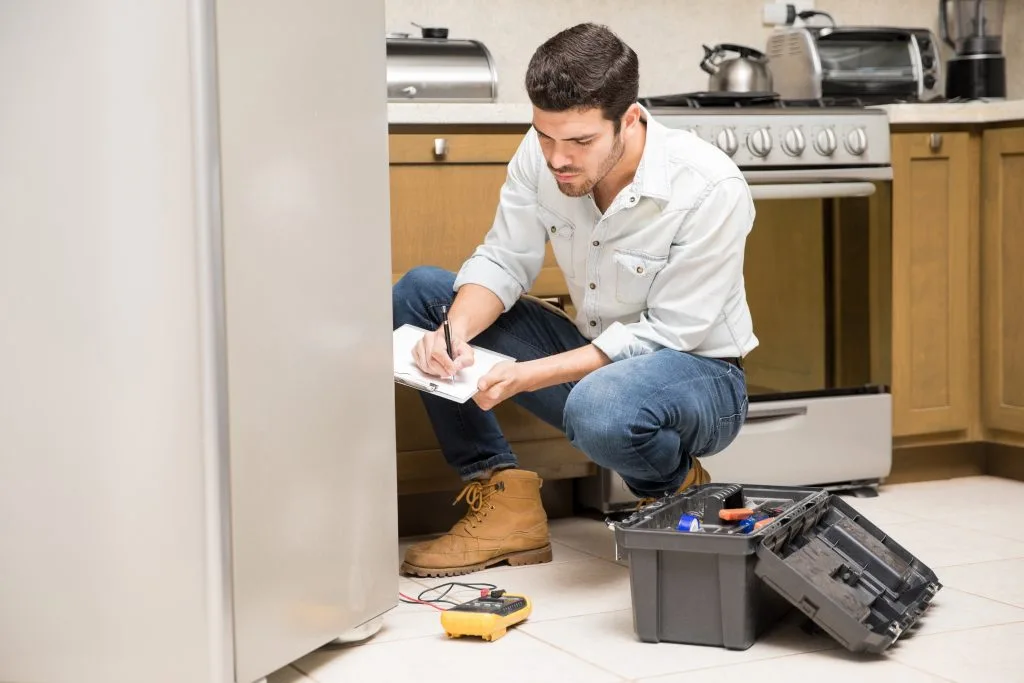
A freezer can look like a perfect fit on a product page, then become difficult once it reaches a condo hallway, elevator, or narrow kitchen corner. Before delivery day, freezer installation in Vancouver all start with the same practical question: can the unit safely and realistically work in the space chosen for it?
Checking Space Before Freezer Installation
The first measurement should not be the freezer alone. Homeowners should measure the full route into the home, including the building entrance, elevator, hallway turns, suite door, kitchen opening, and any tight corners near the final location. In Vancouver condos, the elevator can matter as much as the kitchen because a freezer that fits the room may still be difficult to move upstairs.
Inside the unit, small details often reduce usable space. Baseboards, door trim, outlet plugs, uneven flooring, and nearby cabinet handles can all affect placement. For a smooth freezer installation, the freezer should have enough room to sit level, open properly, and remain accessible for future cleaning or service.
Why Appliance Installation in Vancouver Requires Airflow Planning
Tight utility spaces, enclosed pantry areas, and compact condo kitchens can restrict airflow around the appliance. Freezers release heat while operating, so the surrounding space must allow ventilation according to the manufacturer’s installation manual. One common issue technicians see is a freezer placed inside a cabinet-like opening that looks tidy but traps heat around the sides or back.
Clearance requirements vary by model, so there is no single measurement that applies to every freezer. A homeowner should check the manual for side, rear, and top clearance before assuming an empty corner is suitable. Poor airflow can make the freezer work harder and may cause performance problems that later look like a repair issue.
Power, Floor Stability, and Door Swing
Electrical access should be checked before the freezer is moved into place. The outlet needs to be reachable without crushing the cord, bending the plug, or relying on an unsafe extension setup. Electrical requirements can vary by freezer model and installation environment, so the manufacturer’s guidance should be followed.
The floor also matters. A freezer should sit on a stable, level surface so the door seals properly and the unit does not vibrate or shift. In older buildings or storage areas, sloped floors can make levelling more difficult. The door swing should also be tested on paper before installation. A freezer beside a wall, island, washer, or cabinet may open only halfway, making baskets and shelves difficult to access.
When Freezer Repair Services and Installation Planning Overlap
Some freezer problems are not caused by a failed part. A unit placed too close to a wall, near a heat source, or inside a poorly ventilated storage space may struggle to maintain temperature. That is why installation planning and freezer repair services often overlap. A technician may need to consider both the appliance condition and the space around it.
Nearby water sources should also be reviewed. In laundry rooms, utility closets, or kitchens, leaks from plumbing, dishwashers, or water lines can damage flooring and complicate access. If the freezer is replacing an older unit, the area should be cleaned, inspected, and checked for moisture before the new appliance is positioned.
Condo and Strata Details to Confirm
Condo owners should confirm building rules before booking delivery or installation. Some strata corporations require elevator reservations, protective padding, approved move-in times, insurance documentation, or notice to the building manager. These are building-specific rules, not universal Vancouver requirements.
Before scheduling professional help, homeowners can prepare by sending the freezer model number, photos of the route, room measurements, outlet location, and the proposed installation area. This helps an installer understand whether the space is straightforward or whether clearance, levelling, access, or ventilation may need extra attention.
Conclusion
A successful freezer installation depends on more than exterior dimensions. Vancouver condo owners should check the access route, airflow, outlet placement, floor stability, door swing, nearby water sources, and strata requirements before the freezer arrives. Careful planning can reduce delivery-day surprises and help the appliance operate as intended. When the space is tight or uncertain, professional appliance installation in Vancouver can help confirm the details, while reliable freezer repair services remain useful if cooling, noise, frost, or performance problems appear later.