
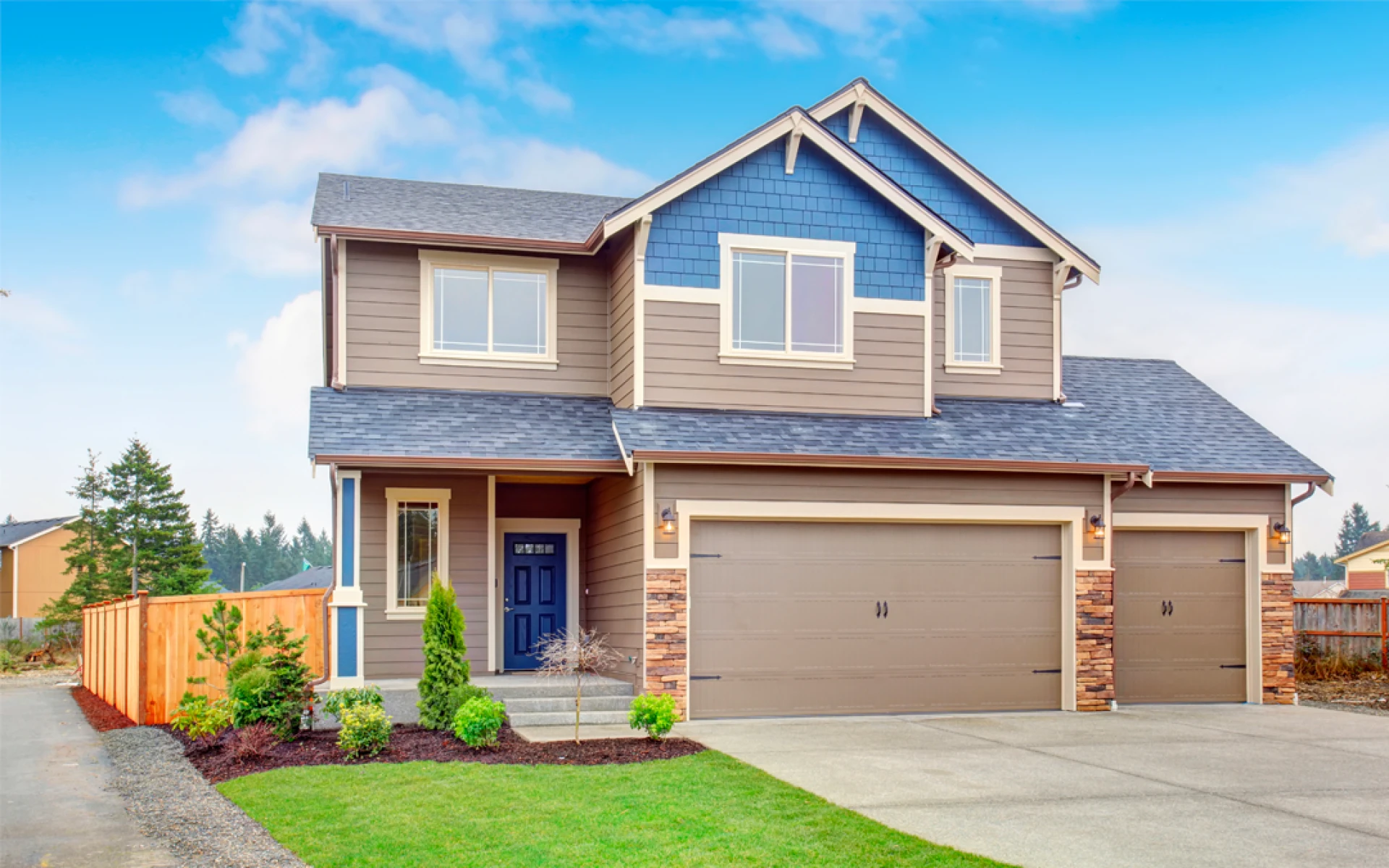
Financial stress can make homeownership feel uncertain, especially when mortgage payments become difficult to manage. During such challenging times, bankruptcy and foreclosure protection become critical topics for homeowners who want to safeguard their property and financial future. Both bankruptcy and foreclosure protection are closely related to debt management and mortgage obligations, yet they function in very different ways and offer different levels of legal relief.
This detailed guide focuses on bankruptcy and foreclosure protection in simple words, explaining how each option affects homeownership, credit, and long term financial stability. It also outlines practical steps, legal protections, and strategic actions that can help reduce the risk of losing a home during financial hardship while improving overall financial clarity and security.
What Is Foreclosure?
Foreclosure is a legal process in which a lender takes control of a property when the borrower fails to make mortgage payments for a prolonged period. Since the home is used as collateral for the loan, the lender has the legal right to recover the outstanding amount by selling the property.
The foreclosure process usually begins after several missed payments. Before taking legal action, lenders typically send reminders, late payment notices, and warning letters. If the payments remain unpaid, the lender proceeds with legal steps to repossess and auction the home.
Foreclosure can result in losing the property, major credit score damage, and long term financial difficulties. It also remains on credit reports for several years, making it harder to qualify for loans or mortgages in the future.
What Is Bankruptcy?
Bankruptcy is a legal option for individuals who are unable to repay their debts. It provides court protection from creditors while debts are either reorganized or discharged. Bankruptcy does not automatically mean losing a home. In many cases, it can actually help delay or stop foreclosure and offer a chance to regain financial control.
There are different types of bankruptcy, but two main types are commonly associated with homeowners.
1. Chapter 7 Bankruptcy
Chapter 7 bankruptcy involves the liquidation of certain assets to repay creditors. It is generally suitable for individuals with limited income and high unsecured debt. In some cases, if home equity falls within legal exemption limits, the home may still be protected.
However, if mortgage payments remain unpaid and exemptions do not cover the property, the lender can still proceed with foreclosure after the bankruptcy process.
2. Chapter 13 Bankruptcy
Chapter 13 bankruptcy is a repayment plan that typically lasts three to five years. This option is often more favorable for homeowners because it allows overdue mortgage payments to be repaid gradually while continuing regular monthly payments. It provides a structured path to catch up on arrears and avoid foreclosure.
Foreclosure vs. Bankruptcy: Key Differences
Foreclosure and bankruptcy serve different purposes and are initiated by different parties.
Foreclosure is initiated by the lender due to missed mortgage payments. Bankruptcy is filed by the debtor for legal protection from debts.
Foreclosure mainly focuses on recovering the mortgage debt through property repossession. Bankruptcy addresses multiple debts, including credit cards, medical bills, and personal loans.
Foreclosure directly threatens homeownership. Bankruptcy may offer temporary protection and time to resolve financial obligations.
Foreclosure severely impacts credit and housing stability. Bankruptcy also affects credit, but it may provide a path toward financial recovery and debt restructuring.
How Foreclosure Affects Your Home
Foreclosure has a direct and serious impact on homeownership. Once the process is completed, ownership of the home transfers to the lender or a new buyer after auction. Eviction may follow if the property is sold.
In addition to losing the home, foreclosure significantly lowers the credit score. This can make renting, borrowing, or buying another property more difficult for many years. Emotional stress, relocation costs, and financial instability are also common consequences.
Another major issue is the deficiency balance. If the home sells for less than the outstanding loan amount, the borrower may still be responsible for the remaining debt depending on local laws.
How Bankruptcy Affects Your Home
Bankruptcy does not always mean losing a house. The impact depends on income level, type of bankruptcy filed, and equity in the property.
In many cases, bankruptcy triggers an automatic stay. This legal protection temporarily stops collection actions, including foreclosure proceedings. This pause can provide valuable time to explore repayment options, loan modification, or financial restructuring.
Under Chapter 13, missed mortgage payments can be included in a repayment plan, helping homeowners catch up gradually. Under Chapter 7, protection depends on exemption laws and the ability to stay current on future mortgage payments.
Can Bankruptcy Stop Foreclosure?
Yes, bankruptcy can temporarily stop foreclosure due to the automatic stay issued by the court. Once the bankruptcy petition is filed, lenders must halt foreclosure actions until the court reviews the case.
However, this protection is not permanent. If mortgage payments are not maintained or the court lifts the stay, foreclosure can continue. Chapter 13 provides a stronger long term solution compared to Chapter 7 when the goal is to save a home.
Warning Signs That a Home May Be at Risk
Early signs of financial trouble should never be ignored. Missing mortgage payments, receiving lender notices, rising debt, and using credit to cover basic expenses are strong indicators of risk.
Other warning signs include loss of income, medical emergencies, or business losses that affect the ability to manage monthly payments. Taking action at the early stage increases the chances of protecting the home.
Ways to Protect Your Home From Foreclosure
There are several effective strategies that can help protect a home from foreclosure if financial issues are addressed on time.
1. Communicate With the Lender
Open communication with the lender is one of the most important steps. Many lenders offer hardship programs, payment extensions, or temporary relief options. Ignoring notices only accelerates the foreclosure process.
2. Loan Modification
Loan modification involves changing the terms of the mortgage to make payments more affordable. This may include reducing the interest rate, extending the loan term, or adjusting the monthly payment amount.
3. Refinancing the Mortgage
Refinancing replaces the existing mortgage with a new loan that has better terms. This can lower monthly payments and reduce financial pressure if credit and income eligibility requirements are met.
4. Repayment Plans
Some lenders allow structured repayment plans to cover missed payments over time. This option helps bring the loan current without losing the property.
5. Selling the Property Before Foreclosure
If keeping the home is no longer financially possible, selling the property voluntarily may help avoid foreclosure. This approach protects credit from severe damage and may allow repayment of the outstanding loan balance.
When Bankruptcy May Be the Better Option
Bankruptcy may be a better option when debt is overwhelming and multiple creditors are involved. If mortgage arrears, credit card debt, and personal loans become unmanageable, legal debt protection can provide structured relief.
Chapter 13 bankruptcy is often more suitable for homeowners who have a steady income but need time to catch up on missed mortgage payments. It allows debt reorganization while protecting the home from immediate foreclosure.
However, bankruptcy should always be considered carefully because it affects credit reports for several years and may limit future financial opportunities.
Legal Rights Homeowners Should Know
Homeowners have legal rights during the foreclosure process. Laws vary by country and state, but lenders must follow legal procedures before repossessing a property. This usually includes notice periods, legal filings, and court approval in many cases.
Some regions also offer redemption periods, allowing borrowers to repay the debt and reclaim the property even after foreclosure proceedings begin. Understanding these rights can help prevent rushed decisions.
Impact on Credit Score: Foreclosure vs. Bankruptcy
Both foreclosure and bankruptcy negatively affect credit scores, but their impact differs.
Foreclosure can remain on a credit report for up to seven years and significantly reduce creditworthiness. Bankruptcy may stay on a credit report for seven to ten years depending on the type filed.
Although both harm credit, bankruptcy may sometimes offer a faster financial reset compared to ongoing missed payments and foreclosure actions.
Professional Help and Financial Counseling
Seeking professional financial advice can make a major difference. Housing counselors, financial advisors, and legal experts can provide guidance on debt management, loan restructuring, and legal protections.
Certified housing counselors often help negotiate with lenders, create budget plans, and explore foreclosure prevention options at low or no cost.
Emotional and Financial Preparation
Facing foreclosure or bankruptcy can be emotionally stressful. Planning finances, creating a realistic budget, and prioritizing essential expenses are important steps during financial hardship.
Reducing unnecessary spending, increasing income sources, and maintaining clear communication with creditors can improve financial stability and reduce the risk of losing a home.
Final Thoughts:
Foreclosure and bankruptcy are both serious financial challenges, but they offer very different outcomes for homeowners. Foreclosure can result in the loss of a home due to missed mortgage payments, while bankruptcy can provide legal protection, time to manage debt, and possible ways to stop or delay foreclosure. Choosing the right option depends on income, debt level, mortgage status, and long term financial goals. Early action, understanding legal rights, and exploring available financial solutions can significantly improve the chances of protecting a property.
Seeking professional legal support can also make the process clearer and less stressful. Experienced legal firms like David Brunelle Law can help explain foreclosure laws, bankruptcy options, and homeowner rights in simple terms. Proper legal advice helps in making informed decisions, negotiating with lenders, and creating a structured plan to protect the home while managing financial recovery with greater confidence and clarity.