
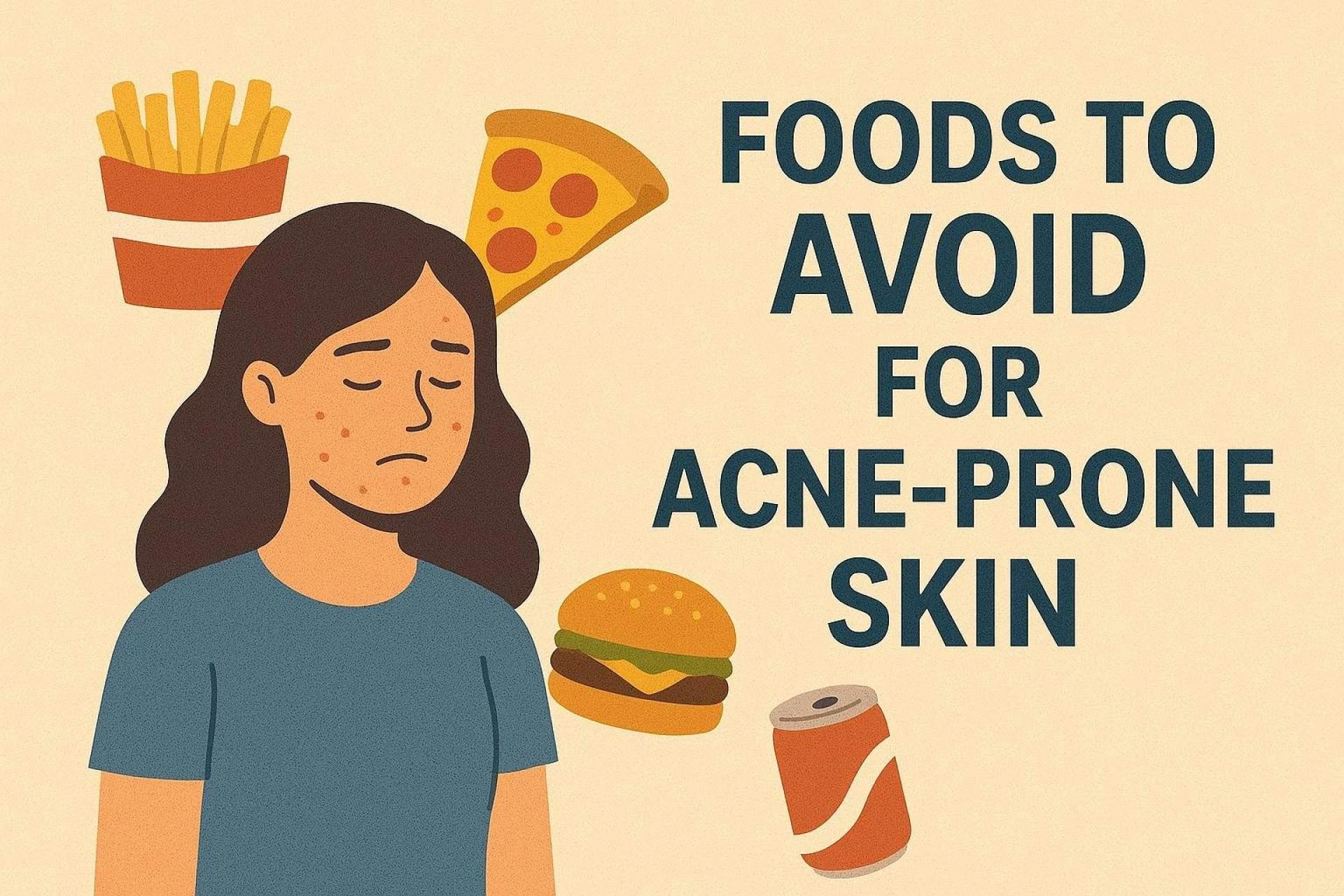
If you’ve ever wondered why your skin suddenly breaks out even after using the right cleanser or serum, the answer might lie in your plate. While skincare products play an important role in managing acne, what you eat can have an equally powerful impact on your skin’s health.
Your diet affects hormone levels, oil production, and inflammation — all of which are directly linked to acne. Understanding which foods may trigger breakouts can help you make better choices and achieve clearer, healthier skin.
Let’s explore the common foods that can worsen acne and what to eat instead.
1. Refined Carbohydrates and Sugar
Refined carbs — found in white bread, pasta, sugary snacks, and sodas — cause your blood sugar levels to rise quickly. This spike triggers insulin production, which in turn stimulates excess oil (sebum) production and increases androgen activity. Both of these are known contributors to acne formation.
Studies have shown that people who consume high-glycemic diets are more likely to experience acne breakouts.
Better alternatives: Switch to whole grains like oats, quinoa, and brown rice. These foods keep your blood sugar stable and support balanced oil production.
2. Dairy Products
Milk and dairy-based foods such as cheese, milkshakes, and ice creams can be problematic for acne-prone skin. Cow’s milk contains hormones and growth factors that may stimulate oil glands and increase inflammation.
If you’ve noticed frequent breakouts around your chin or jawline, your dairy intake might be one of the reasons.
Better alternatives: Try almond, oat, or soy milk. You can also get calcium and protein from plant-based sources like spinach, tofu, and chia seeds.
3. Fried and Greasy Foods
It’s not just the oil on your skin that causes acne — the oils in your food can also contribute. Deep-fried foods such as fries, burgers, and chips are high in unhealthy fats that increase inflammation throughout the body. This inflammation can make acne more red, swollen, and painful.
Better alternatives: Choose grilled or baked options. Replace refined oils with healthier choices like olive oil or avocado oil, which support skin repair and hydration.
4. Processed and Junk Foods
Fast food is often loaded with refined carbohydrates, trans fats, and additives that can trigger acne flare-ups. Burgers, pizza, sugary cereals, and packaged snacks can cause hormonal imbalances that make your skin more prone to breakouts.
Eating too much processed food also deprives your skin of essential nutrients like zinc, vitamin A, and antioxidants — all crucial for keeping acne under control.
Better alternatives: Focus on whole foods — fruits, vegetables, lean proteins, and nuts. A balanced diet supports healthy skin cell turnover and reduces the risk of breakouts.
5. Excessive Caffeine and Energy Drinks
That extra cup of coffee or energy drink might help you stay awake, but it could be harming your skin. Caffeine can raise cortisol (stress hormone) levels, which may trigger excess oil production and inflammation.
Additionally, many energy drinks and flavored coffees contain high amounts of sugar — a double hit to acne-prone skin.
Better alternatives: Try green tea or herbal teas instead. Green tea is rich in antioxidants that fight inflammation and help soothe irritated skin.
6. Chocolate — A Possible Trigger
Chocolate is often blamed for acne, and while it doesn’t affect everyone, certain types can be problematic. Milk chocolate and sweetened varieties contain dairy and sugar, both of which can increase inflammation and sebum production.
If you’re craving something sweet, opt for dark chocolate (70% or higher) in moderation — it contains antioxidants that can actually benefit your skin.
7. High-Fat Meats and Processed Meats
Sausages, bacon, and fatty red meats contain saturated fats that can promote inflammation in the body. Over time, this can aggravate acne and delay healing of existing pimples.
Better alternatives: Include lean protein sources like chicken, fish, lentils, and beans. Fatty fish such as salmon and mackerel are particularly beneficial because they’re rich in omega-3 fatty acids, which help reduce inflammation and promote smoother, clearer skin.
Lifestyle and Skincare Tips for Acne-Prone Skin
While diet plays a major role, a good skincare routine can further support your skin’s healing process.
- Use a gentle cleanser like Cetaphil Face Wash for Oily Skin to remove excess oil without stripping your skin.
- Keep your pores clear and balanced with a lightweight moisturiser such as Excela Moisturiser or Cetaphil DAM Moisturiser.
- Apply Barelyon Sunscreen SPF 50 daily — sun damage can worsen acne scars and cause pigmentation.
- Incorporate a hydrating serum like Dermatica HA Pure Serum to strengthen your skin barrier without clogging pores.
The Takeaway
What you eat reflects directly on your skin. Limiting refined sugars, dairy, and fried foods can help prevent breakouts, while adding nutrient-rich whole foods can keep your skin healthy and balanced.
Remember — clear skin starts from within. Combine a wholesome diet with consistent skincare and stress management, and you’ll soon notice a visible difference in your complexion.