
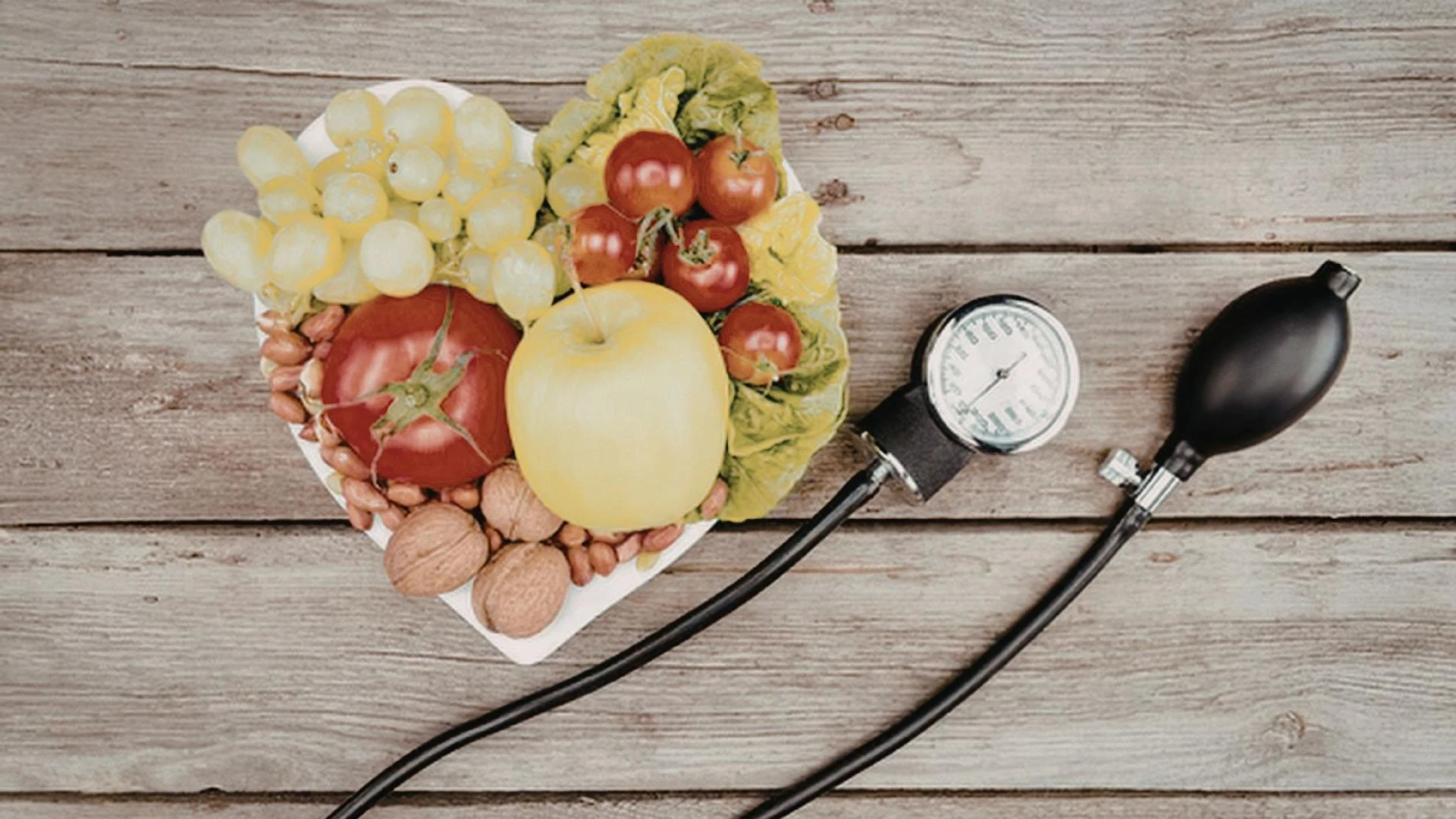
Heart disease remains one of the most common health challenges globally, affecting millions of adults and contributing to significant health complications. While genetics and lifestyle factors like physical activity play roles, diet stands out as one of the strongest influences we can control. Eating well doesn’t just help you feel better — it supports your heart, your blood vessels, your metabolism, and your long-term health trajectory.
If you’ve ever wondered “What foods are actually good for my heart?”, you’re not alone. Marketing buzzwords, fad diets, and conflicting headlines make it confusing to know what truly matters. Fortunately, science-backed nutrition guidance provides clarity. This article breaks down practical, evidence-based food choices that support cardiovascular health and explains why they work — not just what to avoid, but what to embrace.
And if you want to explore this topic further after reading, this resource on foods good for heart health offers a deeper dive into nutrition, heart disease risk factors, and longevity.
The Foundation: How Diet Influences Heart Health
Your heart doesn’t work in isolation. It responds to:
- Blood pressure levels
- Cholesterol profiles
- Inflammation markers
- Blood sugar regulation
- Weight and metabolic activity
All of these are influenced — often dramatically — by what you eat. The foods you choose regularly create a metabolic environment that can either protect your cardiovascular system or contribute to stress and dysfunction.
Research shows that dietary patterns rich in whole, minimally processed plant foods lower the risk of heart disease, improve cholesterol levels, and reduce inflammation. Conversely, diets high in ultra-processed foods, added sugars, and unhealthy fats are associated with increased risk.
Let’s break down the foods that truly support heart health — and why they matter.
Powerful Players: Foods That Support Heart Health
1. Leafy Greens and Colorful Vegetables
These are nutritional powerhouses loaded with:
- Vitamins (A, C, K)
- Minerals (potassium, magnesium)
- Antioxidants
- Fiber
Examples include spinach, kale, Swiss chard, collards, broccoli, peppers, and carrots.
Why they help:
Leafy greens support healthy blood pressure and improve the function of blood vessels. The fiber helps lower LDL (“bad”) cholesterol, and antioxidants reduce oxidative stress — a factor in artery aging.
Aim for a colorful plate at every meal. The more color variety you incorporate, the wider your range of protective phytonutrients.
2. Berries and Heart-Friendly Fruits
Berries — such as blueberries, strawberries, raspberries — are rich in:
- Polyphenols
- Anthocyanins
- Vitamin C
- Fiber
Other heart-healthy fruits include apples, oranges, pears, cherries, and grapes.
Why they help:
These compounds have anti-inflammatory and antioxidant effects. Studies link frequent berry consumption to lower LDL cholesterol, reduced blood pressure, and improved vascular function.
Fruits also help regulate blood sugar, reducing spikes that can contribute to inflammation and insulin resistance.
3. Whole Grains Over Refined Carbs
Whole grains include:
- Oats
- Quinoa
- Brown rice
- Barley
- Bulgur
- Whole-wheat products
These contrast with refined carbohydrates such as white bread, pastries, and sugary cereals.
Why they help:
Whole grains contain fiber and phytonutrients that support stable blood sugar, promote satiety, and improve cholesterol levels. Fiber binds with cholesterol in the digestive tract and helps remove it from the body.
Multiple studies show that people who eat more whole grains have a lower risk of heart disease than those who prefer refined versions.
4. Fatty Fish and Omega-3 Fats
Fatty fish like salmon, mackerel, sardines, and trout are rich in omega-3 fatty acids (EPA and DHA).
Why they help:
Omega-3s:
- Reduce inflammation
- Lower triglycerides
- Improve endothelial function (the lining of blood vessels)
- May reduce the risk of arrhythmia
If you don’t eat fish regularly, plant sources like chia seeds, flaxseeds, and walnuts provide ALA, a plant-based omega-3 that your body partially converts to EPA and DHA.
5. Nuts and Seeds
Almonds, walnuts, pistachios, flaxseeds, chia seeds, and sunflower seeds are nutrient-dense heart allies.
Why they help:
Heart-healthy fats (monounsaturated and polyunsaturated), combined with fiber and antioxidants, help:
- Lower LDL cholesterol
- Reduce inflammation
- Improve endothelial function
A small handful a day — about a quarter cup — provides healthy calories, fiber, and beneficial fats without excessive portion size.
6. Legumes: Beans, Lentils, Peas
Legumes are among the most nutrient-dense plant foods on the planet.
They offer:
- Fiber
- Protein
- Micronutrients
- Resistant starch
Why they help:
High fiber helps lower LDL cholesterol and stabilizes blood sugar. Because legumes are low-fat and plant-based, they displace less-healthy protein sources (like processed meats) that are linked to heart disease.
Incorporating beans or lentils into soups, salads, or side dishes several times per week helps build a heart-protective pattern.
7. Olive Oil and Other Healthy Oils
Extra-virgin olive oil is a staple of the Mediterranean dietary pattern — one of the most extensively studied heart-healthy diets.
Other healthy oils include:
- Avocado oil
- Canola oil (in moderation)
Why they help:
These oils provide monounsaturated fatty acids that help:
- Reduce LDL cholesterol
- Improve HDL cholesterol
- Provide antioxidant polyphenols (especially in extra-virgin olive oil)
Avoid industrial seed oils high in omega-6 fatty acids when possible, as excessive omega-6 intake relative to omega-3s may contribute to inflammation.
8. Low-Fat Dairy or Dairy Alternatives
If you tolerate dairy, options like Greek yogurt and low-fat milk offer:
- Protein
- Calcium
- Potassium
Plant-based alternatives like fortified almond, soy, or oat milk can also contribute nutrients if enriched and low in added sugar.
Why they help:
Dairy — when chosen in low-fat or unsweetened forms — can support blood pressure regulation due to calcium and potassium content.
9. Herbs, Spices, and Flavor Enhancers
Salt raises blood pressure when consumed in excess. But herbs and spices like:
- Garlic
- Turmeric
- Ginger
- Basil
- Rosemary
offer flavor without sodium and deliver antioxidants that support vascular health.
Why they help:
Many herbs and spices reduce inflammation and oxidative stress — two drivers of vascular aging.
Foods to Limit or Avoid for Heart Health
Understanding what to eat is only part of the picture. Some foods contribute more harm than benefit when consumed regularly.
Highly Processed Foods
Many packaged snacks, frozen meals, fast food items, and refined baked goods are high in:
- Added sugars
- Sodium
- Unhealthy fats
- Refined grains
These ingredients contribute to weight gain, high blood pressure, and dysregulated blood sugar — all of which raise cardiovascular risk.
Sugary Beverages and Sweetened Foods
Sodas, energy drinks, sweetened coffee beverages, and sugary desserts spike insulin demand and contribute to excess calories without nutrients.
Regular consumption is linked to metabolic dysfunction and heart disease risk.
Excessive Sodium
High sodium intake increases blood pressure. Many processed foods, canned sauces, and restaurant meals contain much more sodium than you’d expect.
A heart-healthy eating pattern emphasizes fresh ingredients seasoned with herbs, citrus, or spices.
Unhealthy Fats
Trans fats (found in some margarines, shortening, baked goods, and fried foods) and excessive saturated fats (from fatty cuts of meat, full-fat dairy, and certain tropical oils) are associated with raised LDL cholesterol.
Replacing these with healthier fats helps protect your cardiovascular system.
Putting It Together: A Day of Heart-Healthy Eating
To help bridge theory and practice, here’s an example of what a day of heart-supportive eating might look like:
Breakfast
- Steel-cut oats topped with blueberries, chia seeds, and walnuts
- A cup of green tea or herbal tea
Why this works: fiber, antioxidants, and omega-3 precursors support cholesterol management and metabolic health.
Lunch
- Mixed greens with chickpeas, cherry tomatoes, quinoa, cucumbers, and an olive oil-lemon dressing
- A side of fresh fruit
Why this works: plant-forward, fiber-rich meal with healthy fats and minimal added sodium.
Snack
- A small handful of almonds or pistachios AND a piece of fruit
Why this works: healthy fats, fiber, and nutrients help prevent blood sugar dips and cravings.
Dinner
- Grilled salmon with roasted Brussels sprouts and sweet potatoes
- A splash of olive oil and herbs
Why this works: omega-3 fatty acids for inflammation control, colorful vegetables, and whole-food carbohydrates.
Optional Evening Snack
- Greek yogurt with a sprinkle of cinnamon or fresh berries
Why this works: protein and antioxidants help regulate metabolism and craving control.
How Much to Eat: Portion Guidance
Heart-healthy eating isn’t just about what you eat but also how much. General principles include:
- Fill half your plate with vegetables and fruit
- Make a quarter of your plate lean protein or plant protein
- Reserve a quarter of your plate for whole grains
- Use healthy fats in moderation
- Pay attention to hunger and fullness signals
Portion sizes help you balance energy intake without deprivation.
Lifestyle Habits That Amplify Heart Health
Nutrition matters — but it’s not isolated from other key habits:
Move Regularly
Aim for at least 150 minutes of moderate activity per week.
Manage Stress
Chronic stress increases inflammation and blood pressure. Practices like meditation, walking, or breathwork help.
Prioritize Sleep
Good sleep supports blood pressure regulation, appetite control, and immune function.
Avoid Smoking
Tobacco use directly damages blood vessels and accelerates atherosclerosis.
When to Seek Professional Guidance
While the foods listed here support heart health for most people, individual needs vary. Consider seeing a registered dietitian or clinician if you:
- Have existing heart disease
- Are managing diabetes, hypertension, or high cholesterol
- Need help tailoring meal plans
- Want structured guidance and accountability
Personalized plans often produce stronger and more sustainable results than one-size-fits-all advice.
Final Thoughts: Choose Food as Medicine
Eating for heart health isn’t about strict rules or deprivation. It’s about consistently choosing foods that nourish your body, support your metabolism, and reduce cardiovascular stress.
Instead of obsessing over short-term diets, focus on long-term patterns:
- More whole plants
- Healthier fats
- Less processed food
- Flavor from nature, not sodium
- Consistency over perfection
Your heart is at the center of everything you do. Feeding it well isn’t a fad — it’s a lifelong investment. By making thoughtful food choices today, you support not only your cardiovascular health but also your energy, mood, and quality of life for years to come.