Food delivery apps have reshaped the way we eat—no doubt about it. But this isn’t just about convenience anymore. It’s about how tech, consumer habits, and innovation are all coming together to form the future of food. Let’s break it down.
The Rise of Food Delivery Apps and Changing Eating Habits
The rise of food delivery apps like Zomato, Uber Eats, and DoorDash has done more than bring meals to our doors. It’s changed how we think about food.
Once upon a time, a home-cooked dinner meant effort and planning. Now, it's just a few taps away.
Lockdowns made this shift even faster. And it’s not slowing down. Millennials and Gen Z are leaning into app-based meals not just for dinner, but also for groceries, meal kits, and even desserts at midnight.
Convenience, flexibility, and customization have become the norm.
What Makes Food Delivery Apps So Popular?
Convenience at Your Fingertips
With food delivery apps, we’re no longer tied to kitchen routines or restaurant hours. Craving ramen at 2 AM? Tap. Need a snack during a movie night? Swipe.
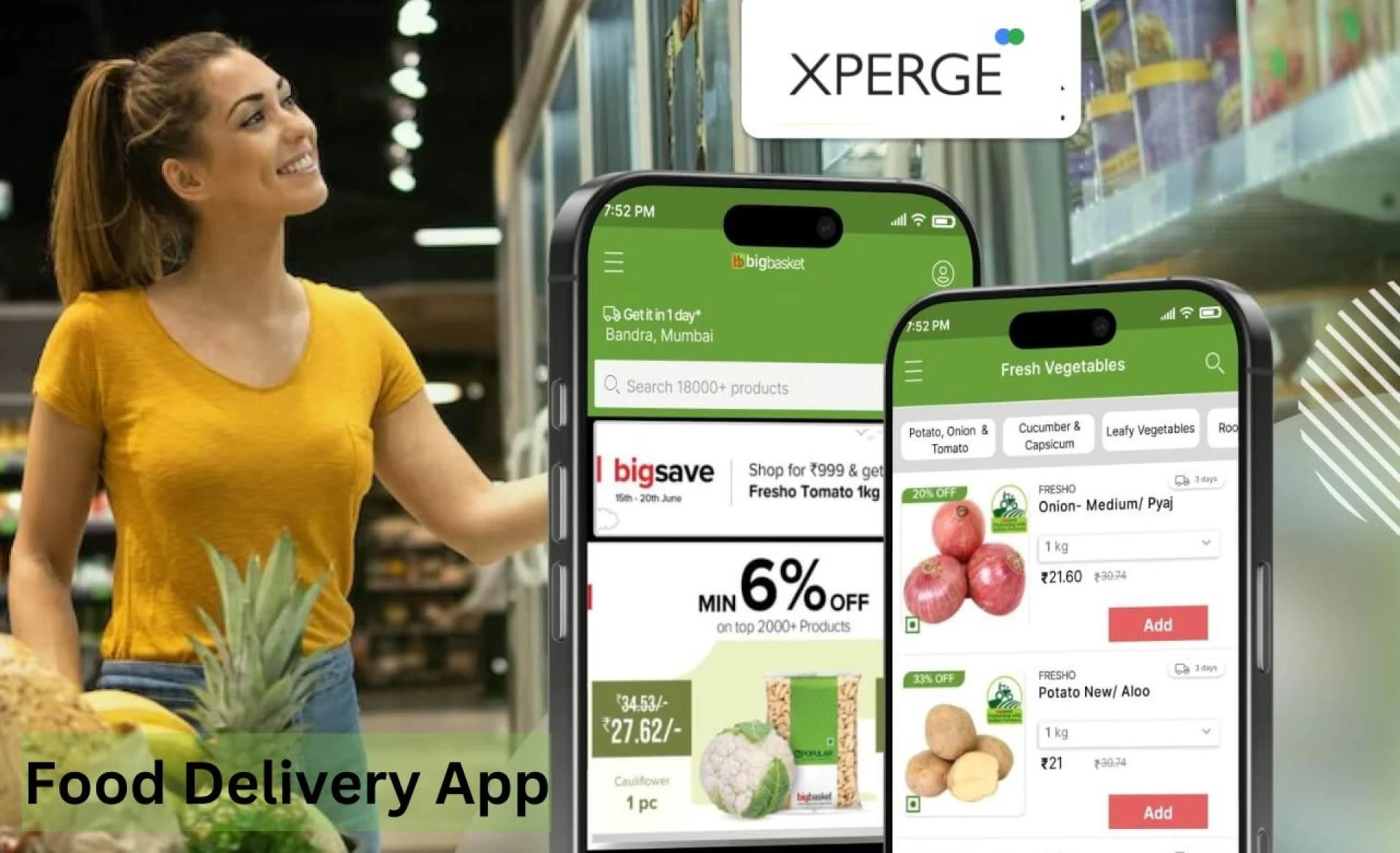
Apps like Instacart clones are making even grocery delivery just as seamless. There’s a huge emotional pull in knowing you can get what you want when you want it.
Time-Saving and Flexible Dining
In today’s fast-paced life, cooking isn’t always an option. Delivery apps are the answer for busy professionals, students, and even families. Plus, flexible meal options—like pre-set diet plans or chef-curated boxes—are helping users make smarter choices.
They’re not just a Plan B anymore—they’re becoming the go-to.
Tech That’s Driving the Change
AI, Machine Learning, and Personalization
Modern apps know what you want—before you even do. That’s thanks to AI and machine learning. These systems recommend meals based on past orders, time of day, weather, and even your mood (no kidding).
Personalization is no longer a luxury. It’s the default.
Real-Time Tracking and Smart Logistics
Waiting 40 minutes for a delivery used to be normal. Now? You want to see the driver on a map, the ETA down to the second, and maybe even a chat button.
Developing a food delivery app with smart logistics can make or break user trust. The tech behind the scenes is what keeps people coming back.
Impact on Traditional Restaurants
Restaurants have had to either adapt—or risk fading out.
Cloud kitchens are popping up everywhere. These kitchens don’t serve dine-in customers; they exist only for delivery. It’s lean, efficient, and made for the app age.
Traditional outlets are also adjusting by creating delivery-only menus, rebranding for app visibility, and partnering with platforms instead of building their own tech stack.
This shift isn’t temporary—it’s the new restaurant model.
The Role of Grocery Delivery Apps in Dining Evolution
Meal Kits and Grocery-On-Demand
Eating at home doesn’t mean you’re stuck cooking from scratch. Grocery apps now offer pre-chopped veggies, ready-made sauces, and one-click meal kits.
It’s a blend of DIY and takeout—and it's booming.
Apps that Build A Clone App Like Blinkit are streamlining this process, delivering groceries within 10–20 minutes. That’s faster than most takeouts.
Linking to Best Grocery Delivery Software
The best grocery delivery platforms aren’t just about speed. They’re offering smart recommendations, discounts, and even eco-friendly packaging. Innovation is running wild here.
Future Features to Watch Out For
Integration With Smart Home Devices
What if your smart fridge could auto-order groceries when you run out of milk? That’s not sci-fi—it’s already being tested.
Smart homes will soon be able to sync with delivery apps for a fully automated food experience.
Augmented Reality Menus and Virtual Kitchens
AR menus can show you what your dish will look like before you order. Virtual kitchens might let you dine in the metaverse while your real meal is en route.
Apps that Build an App Like Instacart or similar services will need to stay ahead of this curve.
Should You Develop a Food Delivery App?
If you're a startup or entrepreneur, there’s a huge window here. Demand is high. Tech is accessible. And people are hungry—for both convenience and innovation.
Start by studying user needs. Then explore tech stacks and features of grocery delivery apps.
Need a roadmap? Here’s How To Start An Online Grocery Delivery Business. Get your concept right, build a solid app, and focus on user experience.
Conclusion:
In short, food delivery apps have transformed dining into a faster, smarter, and more personalized experience. As technology grows, so will the convenience. The future of food is digital—and it’s already here.