Keeping indoor spaces clean goes beyond wiping surfaces and vacuuming floors. There’s an entire layer of air and hidden corners that traditional cleaning methods often miss. Dust, odors, and tiny particles can linger in places you can’t easily reach, like vents, ceilings, and behind furniture.
This is where a fogging machine comes into play. It’s a tool designed to spread a fine mist into the air, helping cover large areas quickly and evenly. Instead of scrubbing every inch by hand, you can think of it as “washing the air” and hard-to-reach spaces all at once.
Imagine spraying a perfume in a room. Within seconds, the scent spreads everywhere—even into corners you didn’t aim at. A fogging machine works in a similar way, but instead of fragrance, it disperses cleaning or sanitizing solutions.
In this article, we’ll explore what a fogging machine is, how it works, where it’s used, and why it has become such a useful tool for both homes and professional cleaning services.
What Is a Fogging Machine?
A fogging machine is a device that turns liquid into a very fine mist, often called “fog.” This mist spreads through the air and settles on surfaces, helping to clean, disinfect, or freshen up a space.
Think of it like turning a bucket of water into millions of tiny droplets. These droplets are so small that they float in the air for a while before landing.
There are different types of fogging machines, but the basic idea remains the same: break down liquid into tiny particles and distribute it evenly across an area.
How Does a Fogging Machine Work?
To understand how it works, let’s use a simple example.
Picture a spray bottle. When you squeeze the trigger, it releases droplets of liquid. A fogging machine takes this concept much further. Instead of producing visible drops, it creates a much finer mist—almost like smoke.
Here’s a basic breakdown:
- Liquid is stored in a tank inside the machine.
- The machine pushes the liquid through a system that breaks it into tiny particles.
- A nozzle releases the mist, sending it into the air.
- The mist spreads and settles on surfaces throughout the space.
Because the droplets are so small, they can reach areas that are difficult to clean manually.
Types of Fogging Machines
Not all fogging machines are the same. Each type is designed for specific uses.
1. Cold Foggers (ULV Foggers)
Cold foggers, also known as ULV (Ultra Low Volume) foggers, use air pressure to create a fine mist without heat.
Best for:
- Indoor spaces
- Offices and homes
- Light sanitizing tasks
They’re quiet, easy to use, and ideal for everyday cleaning needs.
2. Thermal Foggers
Thermal foggers use heat to turn liquid into vapor, creating a thick, visible fog.
Imagine steam rising from boiling water—that’s similar to how thermal foggers work.
Best for:
- Outdoor areas
- Large open spaces
- Pest control
They produce a denser fog, which can cover wide areas quickly.
3. Handheld Foggers
These are compact and easy to carry, making them perfect for smaller spaces or quick jobs.
Common uses:
- Cars
- Small rooms
- Spot cleaning
They’re simple, portable, and beginner-friendly.
Where Are Fogging Machines Used?
Fogging machines are versatile tools used in many different settings.
Homes
In homes, they’re often used to freshen air, reduce odors, and sanitize surfaces. For example, after a renovation or deep cleaning session, fogging can help remove lingering dust and smells.
Offices
Workspaces can benefit from fogging, especially in shared environments where cleanliness is important. It helps maintain a more hygienic atmosphere.
Healthcare Settings
Hospitals and clinics use fogging machines to sanitize rooms and equipment, ensuring a safer environment.
Industrial Spaces
Factories and warehouses often rely on fogging for large-scale cleaning and air treatment.
Benefits of Using a Fogging Machine
1. Covers Large Areas Quickly
Instead of cleaning each surface by hand, fogging allows you to treat an entire room in minutes.
2. Reaches Hidden Spots
The fine mist can travel into cracks, corners, and tight spaces that are hard to access.
3. Even Distribution
Unlike manual cleaning, which can miss spots, fogging spreads the solution evenly.
4. Saves Time and Effort
It reduces the need for intensive scrubbing, making cleaning faster and easier.
Fogging Machines and Air Duct Cleaning
Air ducts are one of the most overlooked parts of a building. Over time, they can collect dust, debris, and even unpleasant odors.
Cleaning ducts manually can be challenging because they run through walls and ceilings. This is where fogging becomes especially useful.
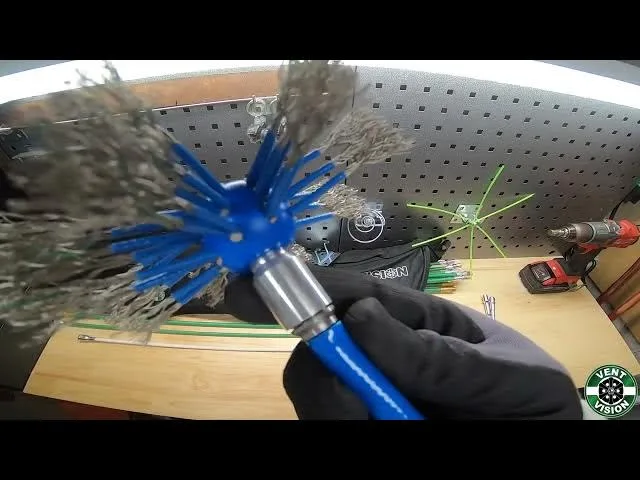
An air duct sanitizing fogger can help distribute a cleaning solution throughout the duct system, reaching areas that brushes or vacuums might miss.
Think of it like sending a gentle wave of mist through a tunnel, coating the inside surfaces without needing direct contact.
Companies like Vent Vision often highlight the importance of combining tools—such as vacuums and foggers—to achieve more thorough results.
Choosing the Right Fogging Machine
Selecting the right machine depends on your needs.
Size of the Area
- Small room → Handheld fogger
- Medium space → Cold fogger
- Large area → Thermal fogger
Purpose
- Light cleaning → Cold fogger
- Heavy-duty or outdoor use → Thermal fogger
Ease of Use
If you’re new to fogging, start with a simple, user-friendly model.
Safety Tips When Using a Fogging Machine
While fogging machines are effective, they should be used responsibly.
Use the Right Solution
Always use solutions recommended for fogging. Not all liquids are safe for this purpose.
Wear Basic Protection
A mask and gloves can help reduce exposure to mist.
Ventilate the Area
After fogging, allow fresh air to circulate before re-entering the space.
Follow Instructions
Each machine has its own guidelines, so it’s important to read and follow them carefully.
Common Mistakes to Avoid
Overusing the Machine
More fog doesn’t always mean better results. Using too much solution can leave surfaces damp.
Ignoring Maintenance
A clogged nozzle or dirty tank can reduce performance. Regular cleaning keeps the machine working properly.
Using the Wrong Settings
Adjusting the droplet size incorrectly can affect how well the mist spreads.
A Real-Life Example
Imagine you’ve just finished cleaning your home after a long week. The floors are spotless, and everything looks tidy. But there’s still a faint smell lingering in the air.
You bring out a fogging machine, fill it with a suitable solution, and run it for a few minutes. The mist spreads throughout the room, reaching corners, curtains, and even behind furniture.
After some time, the space feels fresher and cleaner—not just on the surface, but in the air as well.
Maintenance and Care
To keep your fogging machine in good condition:
- Empty the tank after use
- Rinse it with clean water
- Store it in a dry place
- Check for blockages regularly
Proper care ensures the machine lasts longer and performs consistently.
Conclusion
A fogging machine is a powerful yet simple tool that takes cleaning to another level. By turning liquid into a fine mist, it helps treat entire spaces quickly and evenly, reaching areas that traditional methods often miss.
Whether you’re maintaining a home, managing a workspace, or handling larger cleaning tasks, fogging offers a practical solution. It saves time, improves coverage, and enhances overall cleanliness.
The key is to use it wisely—choose the right type, follow safety guidelines, and maintain the equipment properly. When used correctly, a fogging machine can transform the way you approach cleaning, making it more efficient and effective.
In the end, it’s not just about what you can see. It’s about creating an environment that feels clean, fresh, and comfortable from every angle.