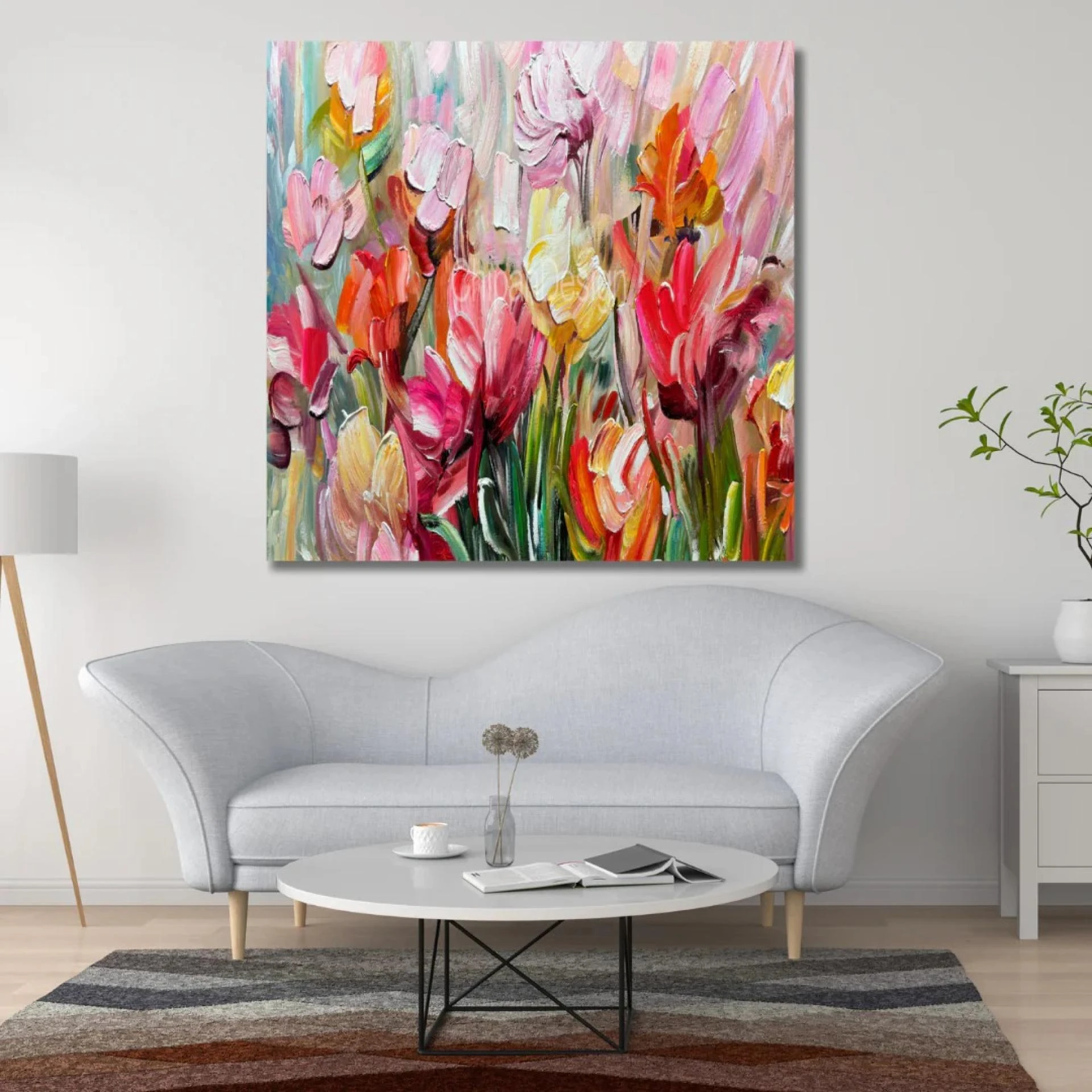
Interior spaces often depend on subtle design choices to create impact. Among these, floral oil painting stands out as a reliable way to introduce color, depth, and natural energy into any room. Whether placed in a living area, bedroom, or workspace, this style of art adds visual interest without overwhelming the space. Many designers prefer floral themes because they align with both traditional and modern interiors.
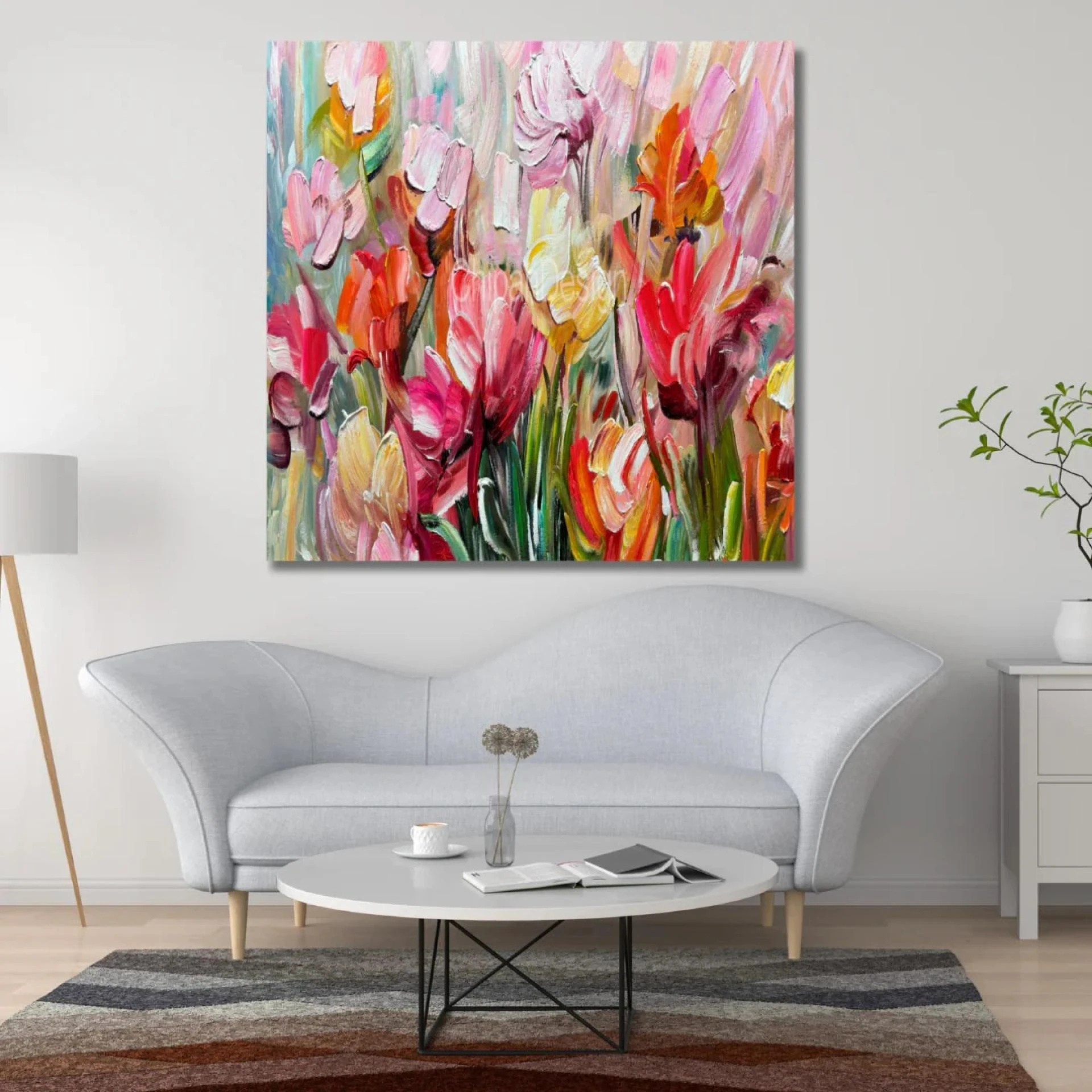
Recent home styling data shows that nature-inspired wall art can improve perceived comfort and mood within indoor environments. This explains why floral compositions remain a consistent choice across residential and commercial settings. When selected carefully, a floral oil painting becomes more than decoration. It becomes a focal point that shapes the entire atmosphere of the room.
Why Floral Oil Painting Remains a Timeless Choice
Floral subjects have been central to fine art for centuries due to their versatility and symbolic value. In modern interiors, floral oil painting offers a structured yet expressive look that complements clean architectural lines. The layering technique used in oil painting creates depth and richness that printed artwork cannot replicate.
Professional artists often use glazing and impasto methods to enhance petal detail and light reflection. These techniques increase visual texture and allow the painting to respond to changing light conditions throughout the day. This dynamic quality makes original floral wall art more engaging compared to flat digital prints.
Supporting styles such as flower canvas art and botanical wall decor expand design options while maintaining a consistent theme. These variations allow homeowners to adapt floral elements to different room sizes and lighting conditions.
Choosing the Right Floral Style for Your Space
Not all floral artworks produce the same effect. The choice depends on room function, color palette, and scale. Large, bold blooms with high contrast work well in spacious areas where a strong focal point is needed. In smaller rooms, softer compositions with muted tones create a calm and balanced environment.
Interior design standards suggest matching artwork scale to wall dimensions. A common guideline is that wall art should occupy around 60 to 75 percent of the available wall width. This ensures proportional balance and prevents the artwork from appearing too small or overpowering.
A floral oil painting with layered color transitions can also help unify different elements within a room. For example, a painting that includes tones from furniture or textiles creates a cohesive visual connection.
Color Theory and Its Impact on Mood
Color selection in floral art directly influences how a space feels. Warm tones such as reds and oranges tend to energize a room, while cooler shades like blues and greens promote relaxation. A well-composed floral oil painting uses a balanced color scheme to avoid visual fatigue.
Experienced artists apply color harmony principles such as complementary and analogous schemes to maintain visual consistency. These techniques ensure that the artwork enhances the room rather than clashing with existing decor.
Botanical wall decor often incorporates natural gradients and soft transitions, which work well in modern interiors that favor understated elegance. This makes floral themes adaptable across various design styles.
Placement and Lighting Considerations
Correct placement is essential to maximize the impact of any artwork. Industry standards recommend positioning the center of the painting at eye level, typically around 57 to 60 inches from the floor. This creates a comfortable viewing experience and aligns with gallery display practices.
Lighting also plays a critical role. Natural light enhances the texture and color depth of a floral oil painting, while controlled artificial lighting can highlight specific details. Directional lighting placed at a 30 degree angle reduces glare and improves visibility.
In rooms with limited wall space, a single statement piece can be more effective than multiple smaller artworks. This approach maintains a clean layout while still delivering visual impact.
Quality Indicators in Floral Art
Understanding quality markers helps in selecting artwork that holds long-term value. A genuine floral oil painting typically uses high-grade pigments and primed canvas to ensure durability. Professional artists follow archival standards to prevent fading and cracking over time.
Brushwork is another key indicator. Visible strokes and layered textures signal authenticity and craftsmanship. These elements are difficult to replicate in mass-produced prints.
Buyers should also consider the reputation of the source. Established art platforms and experienced painters provide better consistency in quality and design execution. This reduces the risk of purchasing low-grade reproductions.
Conclusion
Floral themes continue to shape interior design due to their adaptability and visual appeal. A well-chosen floral oil painting introduces color, texture, and structure into any room without disrupting balance. Supporting styles like flower canvas art and botanical wall decor offer additional flexibility for different spaces.
By focusing on composition, color, and placement, you can integrate floral artwork in a way that enhances both aesthetics and functionality. This approach ensures that your interior remains visually engaging while maintaining a professional and cohesive design standard.