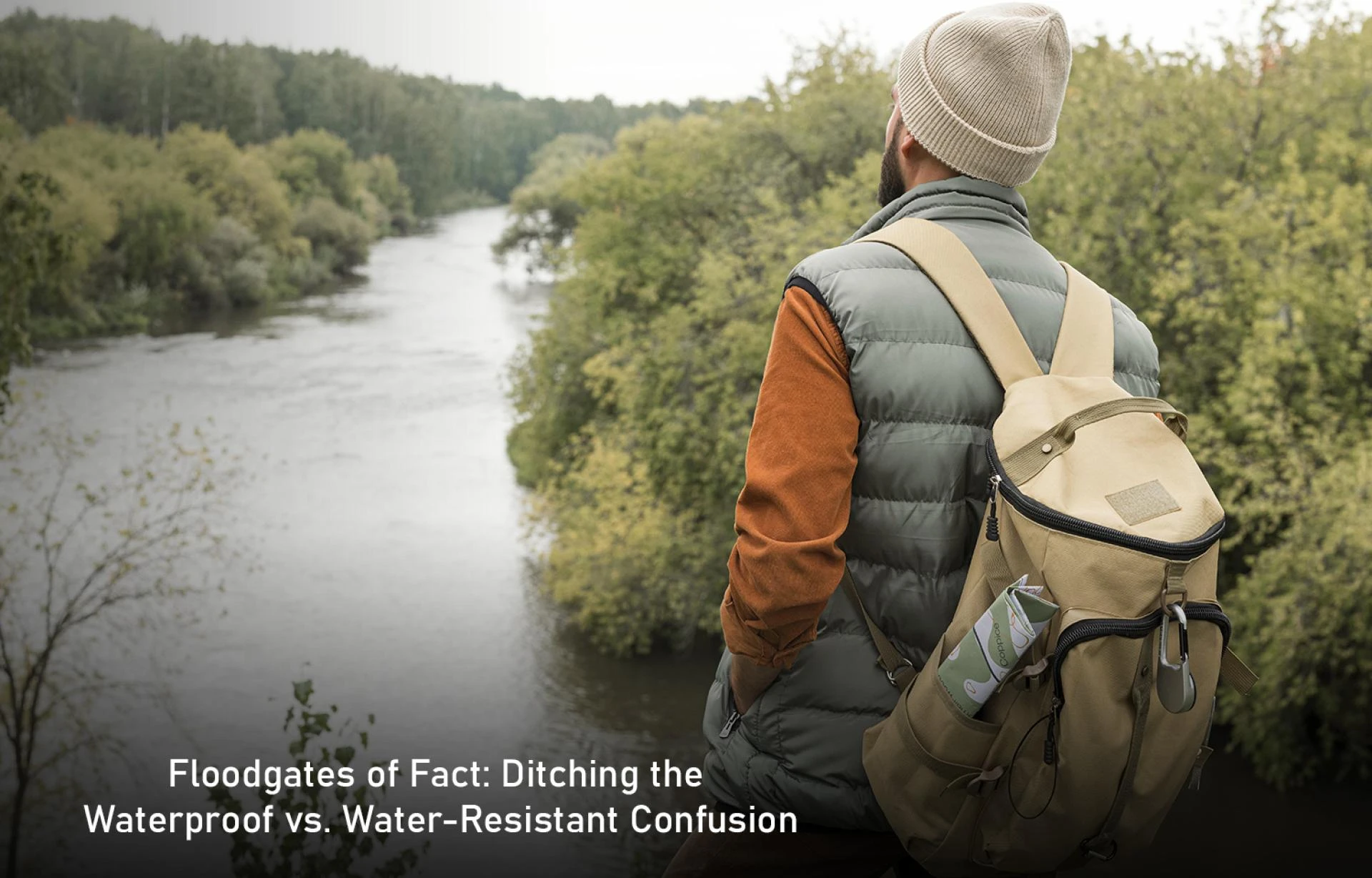
Picture this: you've meticulously packed for your weekend hike, including that expensive camera and your essential navigation device. The forecast predicted sunshine, but halfway up the trail, the heavens open. You scramble to protect your bag, remembering it was labelled "water-protected." But as the downpour continues, a sinking feeling washes over you – much like the water now potentially seeping into your gear. This scenario is painfully common, largely because the terms "waterproof" and "water-resistant" are often used interchangeably or vaguely in marketing, leading to drenched disappointment. It's time to build a dam against this flood of misinformation, understand the real differences, and ensure your gear truly matches your needs.
Let's begin with the more common, and often less protective, term: water-resistant. Think of water-resistance as a basic shield, capable of handling light encounters with moisture. This property usually comes from the fabric's structure itself – tightly woven materials like nylon or polyester naturally shed some water. Frequently, these fabrics are also treated with a DWR (Durable Water Repellent) finish. This chemical coating encourages water to bead up and roll off the surface, preventing the fabric from immediately saturating. This level of protection is adequate for light mist, accidental spills, brief, light rain showers, or maybe damp conditions like morning dew. However, the key limitations are pressure and duration. Under sustained rainfall, windy conditions driving rain sideways, or any significant water pressure (like setting the bag down in a puddle), water will eventually penetrate. Furthermore, the seams on water-resistant items are typically just stitched, leaving minuscule holes, and the zippers are rarely designed to block water ingress. So, while that stylish commuter bag might suffice for a quick dash through drizzle, if you're venturing into territory known for unpredictable weather or engaging in activities near water, relying solely on water-resistance could leave your valuables vulnerable. For genuine peace of mind on longer treks or in wetter climates, investing in a dedicated Waterproof Backpack becomes less of a luxury and more of a necessity for safeguarding your gear.
Now, let's elevate the protection level to waterproof. When a product genuinely earns the waterproof label, it signifies a much higher degree of protection, designed to create an effective barrier against water entry under specific, often more demanding, conditions. This isn't just about the fabric weave; it involves specialized materials and construction techniques. Common waterproof materials include PVC (Polyvinyl Chloride), TPU (Thermoplastic Polyurethane), or fabrics like nylon or polyester coated with waterproof membranes (like Gore-Tex, though less common in bags than apparel) or heavy waterproof coatings. The critical differentiator lies in the construction, especially the seams and closures. True waterproof gear will feature seams that are either taped (a waterproof tape is applied over the stitched seam on the interior) or, for maximum integrity, welded (using heat or ultrasonic frequencies to fuse the material edges together, creating a seamless, impenetrable bond). Zippers are another crucial element; standard zippers are a major point of water entry. Waterproof items will either employ specialized waterproof zippers (often rubberized or featuring interlocking teeth designs like TIZIP or YKK AquaGuard) or, very commonly for bags and sacks, utilize a roll-top closure. When rolled down correctly (typically three or more folds) and buckled, this system creates a highly effective seal against water, even during brief submersions. A well-constructed Waterproof Waist Bag employing these principles is ideal for activities like fishing, kayaking, or even attending a rainy outdoor festival, ensuring your phone, keys, and wallet remain perfectly dry despite splashes or downpours.
To quantify these levels of protection more objectively, the industry often relies on the IP (Ingress Protection) rating system. This internationally recognized standard provides a clearer picture of how well an enclosure protects against intrusion from solids (first digit, often 'X' if untested) and liquids (second digit). For water protection, the second digit is key. For instance:
- IPX4: Protects against splashing water from any direction (common for water-resistant gear).
- IPX5: Prevents water jets from coming from any angle.
- IPX6: Protects against powerful water jets.
- IPX7: Protects against temporary immersion in water (up to 1 meter for 30 minutes).
- IPX8: Protects against continuous immersion in water under conditions specified by the manufacturer (often deeper than 1 meter and/or for longer durations).
- When you are seriously considering activities like multi-day river trips, sailing, or any scenario where your gear might end up fully submerged, searching for the Best Dry Bags with high IP ratings like IPX7 or IPX8 is paramount. These ratings provide assurance that the bag is designed and tested to withstand complete submersion, keeping contents bone dry even if the bag goes overboard.
Mythbusters: Clearing the Waters of Confusion
Let's directly address some common myths surrounding these terms:
- Myth: "Water-resistant offers decent protection, it's just slightly less effective than waterproof."
- Busted: This minimizes a crucial difference. Water-resistant handles light and brief moisture exposure. Waterproof provides a robust barrier against sustained rain, significant splashes, and often submersion. The performance gap is substantial, and mistaking one for the other can lead to significant water damage.
- Myth: "If the tag says 'waterproof,' it means I can dunk it underwater indefinitely."
- Busted: "Waterproof" is not a monolithic standard without context. A rain jacket might be waterproof against falling rain due to fabric and taped seams but will leak heavily through zippers and openings if submerged. Always look for specific capabilities – does it mention submersion? Does it have an IPX7 or IPX8 rating? A roll-top dry bag designed for submersion is fundamentally different from a jacket designed only to shed rain.
- Myth: "The fabric is waterproof, therefore the entire bag must be waterproof."
- Busted: Waterproof fabric is only one component. If the seams are merely stitched (leaving needle holes) and the closures (zippers, drawstrings) aren't specifically designed to block water, the bag will leak. Construction quality, particularly seam sealing and closure type, is just as important, if not more so, than the base material itself.
- Myth: "My bag has a DWR coating, so it's effectively waterproof."
- Busted: A DWR finish is excellent for enhancing water resistance. It makes water bead and roll off initially. However, DWR coatings wear off with use, abrasion, dirt, and washing, requiring reapplication. Critically, DWR alone does not create a waterproof barrier capable of withstanding pressure or prolonged exposure. It's a surface treatment, not inherent structural protection.
Why Understanding the Difference is Crucial
Getting this right goes beyond just preventing a bit of dampness:
- Protecting Investments: Electronics like phones, cameras, GPS units, laptops, and even power banks are highly susceptible to water damage, which is often irreparable and expensive.
- Ensuring Safety & Comfort: Wet clothing or sleeping bags in the backcountry can lead to discomfort at best, and dangerous hypothermia at worst. Keeping essential safety gear dry (first aid kit, fire starter) is critical.
- Saving Money Long-Term: Investing in genuinely waterproof gear appropriate for your activities prevents the costly replacement of water-damaged items down the line.
- Matching Gear to Activity: A city commuter has different needs than a whitewater rafter. Choosing the right level of protection ensures your gear performs reliably when you need it most.
Navigating Your Purchase: Tips for Smart Selection
- Scrutinize Descriptions: Look beyond marketing buzzwords. Check for details on materials (PVC, TPU, coated fabrics), seam construction (taped, welded), closure type (roll-top, waterproof zipper model), and any IP ratings provided.
- Prioritize IP Ratings for Submersion: If keeping gear dry during potential immersion is non-negotiable, focus on products explicitly stating an IPX7 or IPX8 rating.
- Assess Your True Needs: Be realistic about the wettest conditions you're likely to encounter. Occasional light rain demands less than multi-day expeditions in monsoon season or watersports.
- Examine in Person (If Possible): Feel the material. Look closely at the seams – can you see tape on the inside? Is the zipper robust and sealed? Does the roll-top feel substantial and seal tightly?
Stay Dry and Informed with Skog Å Kust
The difference between water-resistant and waterproof isn't just technical jargon; it's the difference between dry, functional gear and a potentially ruined trip or damaged valuables. By arming yourself with knowledge about materials, construction, IP ratings, and common myths, you can cut through the marketing haze and make informed decisions. Don't let misinformation soak your adventures. Choose gear that truly meets the demands of your environment and activities.
At Skog Å Kust, we are passionate about enabling adventures, big and small, by providing reliable, genuinely waterproof gear you can trust. From robust dry bags to functional backpacks and convenient waist bags, our products are designed and built with high-quality materials and proven waterproof construction techniques because we know that dependable gear is essential for peace of mind when you're exploring the great outdoors, rain or shine. Choose knowledge, choose quality, and keep your adventures going.