Floating shelves look simple on the surface, but installation is where everything either works perfectly or fails over time. Most sagging shelves aren’t a product issue. They’re the result of poor mounting, wrong wall compatibility, or cheap support systems.
If you want floating shelves that stay straight, stable, and secure for years, you need to understand what’s happening behind the wall—not just what’s visible.
Why Installation Matters More Than the Shelf Itself
You can buy the best floating shelf in the market, but if it’s installed incorrectly, it will sag. On the other hand, even average-quality floating wooden shelves can perform well when mounted properly.
The strength of any floating wall shelf comes from how the load is transferred into the wall. If that transfer is weak, uneven, or shallow, the shelf will eventually tilt, loosen, or collapse.
Understanding Hidden Brackets (The Core Support System)
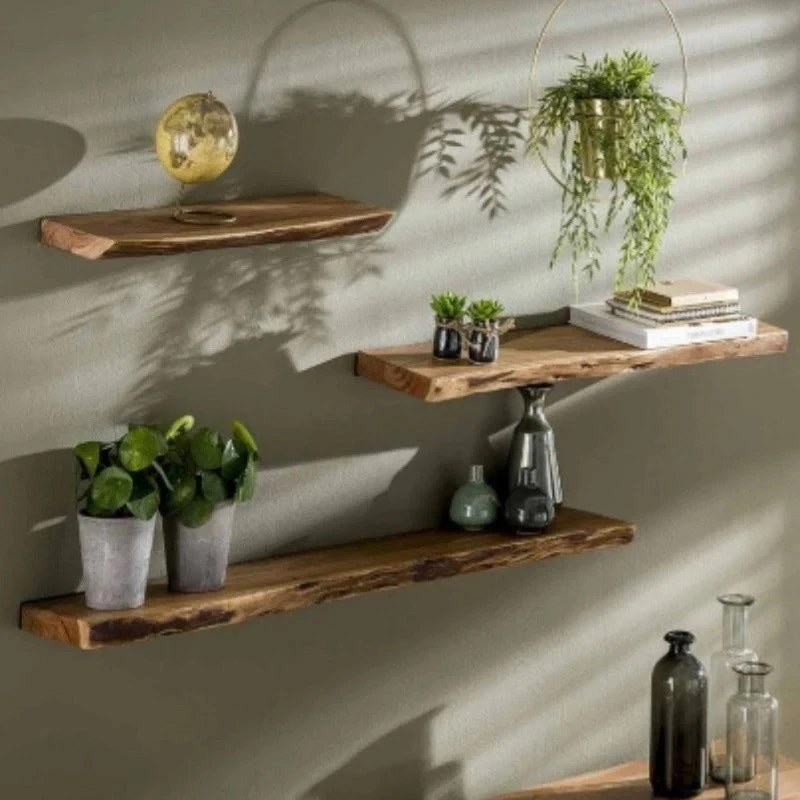
The defining feature of floating wall shelves is the invisible support. These supports are usually concealed inside the shelf, creating that clean “floating” effect.
High-quality systems use solid steel rods or plates that extend deep into the wall. These distribute weight evenly and prevent bending. Low-quality systems use hollow or short brackets that look similar but lack structural strength.
For durable floating shelves for living room setups, hidden brackets should be:
- Made of solid metal
- Long enough to anchor deeply into the wall
- Properly aligned with the shelf core
Weak brackets are the fastest way to guarantee sagging.
Wall Types: Where Most Installations Go Wrong
Not all walls can handle the same load. This is where most people make critical mistakes.
Concrete and brick walls are the strongest and ideal for heavy-duty floating bookshelf setups. They allow deep anchoring, which creates a stable base for the shelf.
Stud-based walls are also reliable, but only if you mount directly into the studs. Anchoring into empty drywall without reinforcement drastically reduces strength.
Drywall alone is the weakest option. Without proper anchors, even lightweight floating wooden shelves can start pulling away from the wall over time.
Understanding your wall type before installation is non-negotiable.
Step-by-Step Installation Approach (Done Right)
The process isn’t complicated, but precision matters at every step.
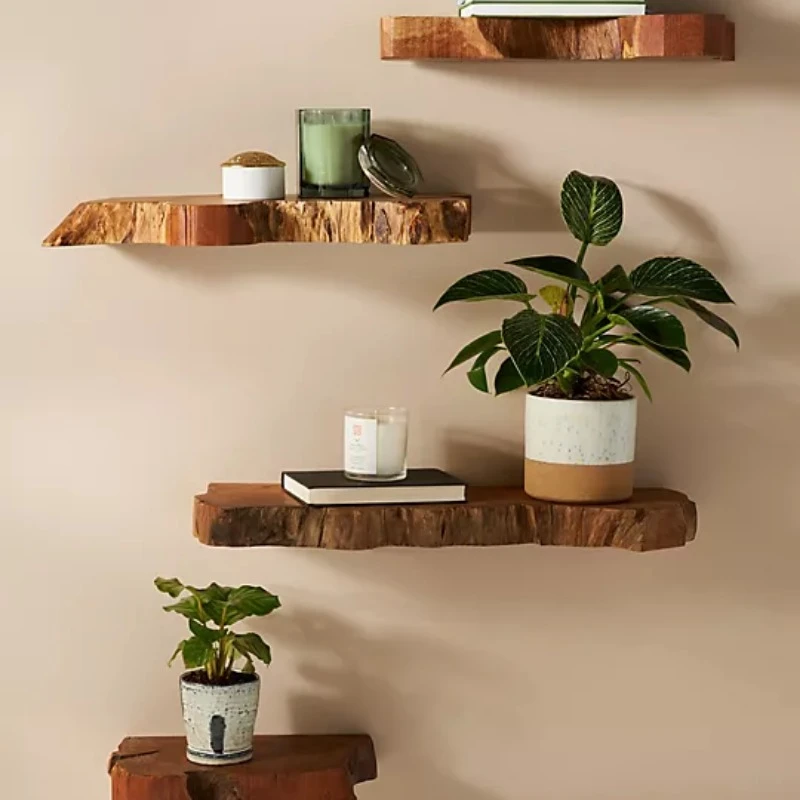
Start by marking exact positions using a level. Even a slight tilt during marking will translate into visible misalignment later. For floating shelves living room setups, alignment with nearby furniture or walls improves both aesthetics and balance.
Next, identify studs if you’re working with drywall. If studs aren’t available in your desired location, you must use heavy-duty wall anchors designed for load-bearing applications.
Drilling should match the size of the bracket rods or anchors exactly. Loose holes weaken grip, while tight misaligned holes create stress points.
Once brackets are fixed, the shelf should slide in firmly without wobble. If there’s movement, the support system isn’t secure enough.
Common Mistakes That Cause Sagging
Sagging isn’t random—it’s predictable. Most failures come from a few repeated mistakes.
One of the biggest issues is shallow bracket insertion. If the rods don’t go deep enough into the wall, they can’t support weight effectively. Over time, the shelf starts dipping from the front.
Another common problem is uneven load distribution. In a floating bookshelf, stacking all the weight in one section creates localized stress, leading to bending.
Using low-quality materials is another silent issue. Thin or hollow shelves lack the internal strength to support the hidden brackets properly, especially in longer spans.
Improper leveling during installation also causes uneven weight transfer, which leads to gradual sagging even if the shelf initially looks fine.
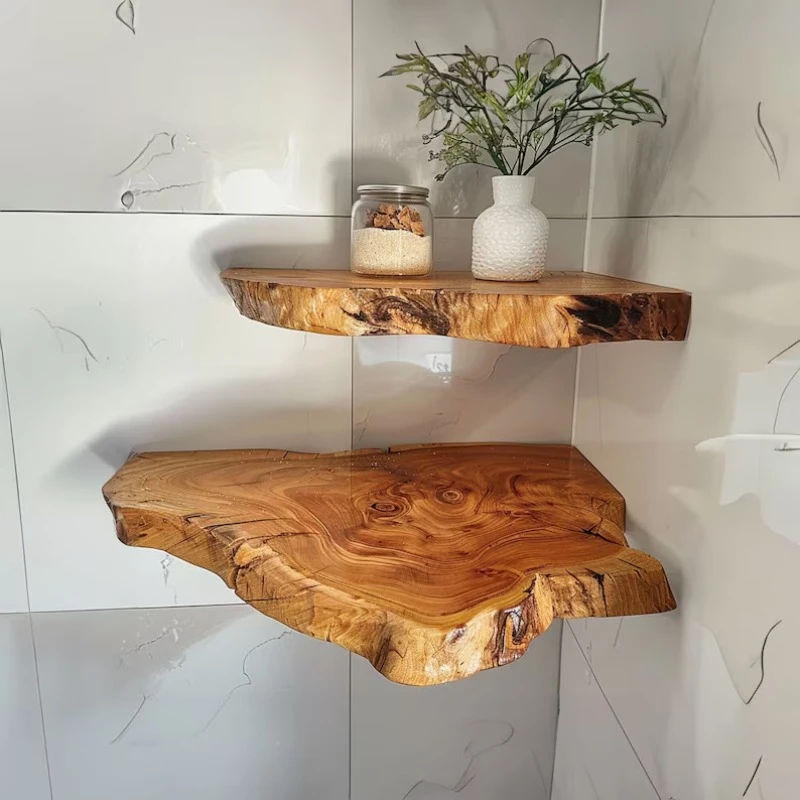
Choosing the Right Shelf for Installation Stability
Not all shelves are built equally. For long-term performance, you need the right combination of material, thickness, and bracket system.
Solid wood is always the safer choice for wooden wall shelves living room designs. It holds screws better, resists bending, and provides better support for concealed brackets.
Thickness matters just as much. A thicker floating wall shelf offers more internal space for strong brackets and better weight distribution.
For larger setups, especially a floating bookshelf, shorter segmented shelves are often more stable than one long continuous unit.
How to Prevent Sagging Over Time
Even after proper installation, maintenance and usage matter.
Avoid placing excessive weight toward the front edge. This creates leverage that pulls the shelf downward. Keep heavier items closer to the wall where support is strongest.
Regularly check for looseness. If the shelf starts moving even slightly, it’s an early warning sign that the mounting system needs attention.
For floating shelves for living room, balance aesthetics with practicality. Overloading shelves for visual impact often leads to structural problems later.
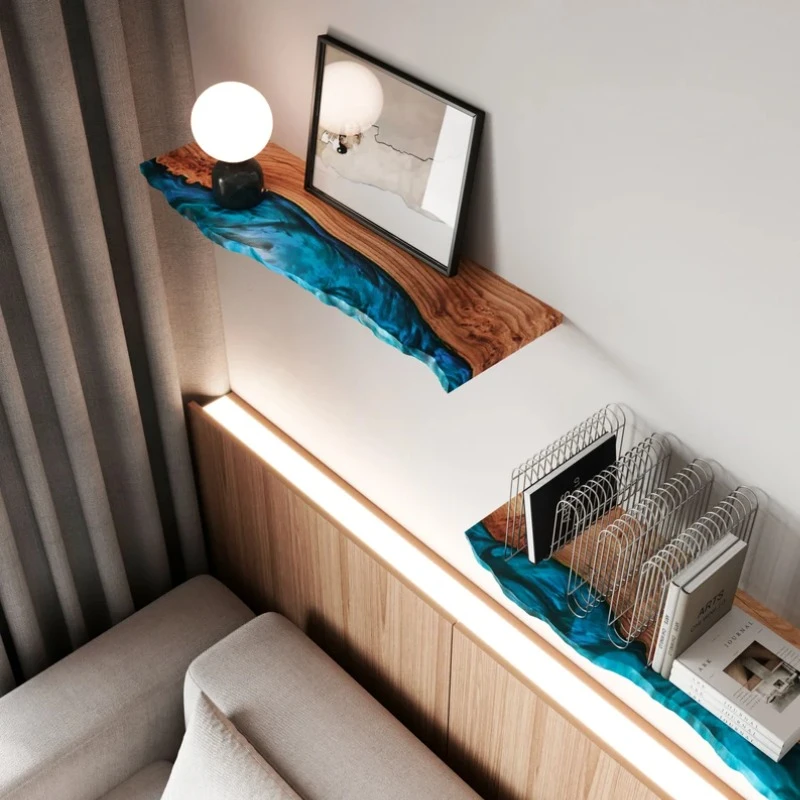
When Floating Shelves Are Not the Right Choice
Let’s be clear—floating shelves aren’t designed for extreme loads. If you’re planning to store heavy equipment or large volumes of books, traditional shelving may be a better option.
However, for most home applications—decor, moderate book storage, and daily-use items—well-installed floating wooden shelves perform reliably.
The key is understanding their limits and installing them accordingly.
Final Verdict: Precision Installation = Zero Sagging
Floating shelves don’t sag because of design flaws—they sag because of poor decisions during installation.
When you combine the right wall type, strong hidden brackets, and proper alignment, floating shelves can stay perfectly level for years.
This isn’t about overengineering—it’s about doing the basics right without cutting corners.
FAQs
1. Why do floating shelves sag after installation?
Sagging usually happens due to weak brackets, poor wall anchoring, or uneven weight distribution.
2. Are hidden brackets strong enough for heavy loads?
Yes, high-quality concealed brackets can support significant weight when installed correctly into solid walls or studs.
3. Can floating shelves be installed on drywall?
Yes, but only with proper anchors or by mounting into studs. Plain drywall alone isn’t reliable.
4. How deep should floating shelf brackets go into the wall?
Ideally, several inches deep to ensure strong support and proper weight distribution.
5. What is the best material for floating shelves?
Solid wood is the most durable and reliable option for long-term use.
Install It Right the First Time
If you’re investing in floating shelves, don’t compromise on structure or installation quality.
Explore Woodensure’s premium floating wooden shelves designed with strong concealed support systems and durable materials. Contact us to get the right setup for your wall type and avoid sagging issues completely.