In recent years, the integration of technology into fitness has transformed how individuals approach exercise. Traditional workouts are no longer limited to static routines; smart systems now offer feedback, progress tracking, and adaptive challenges that optimize performance and reduce injury risk. Understanding the capabilities of modern equipment can help users select tools that align with their goals and lifestyles.
The fitness exercise machine has evolved from simple resistance devices into sophisticated platforms that combine mechanics, data analytics, and connectivity. These advancements allow for personalized training programs that respond dynamically to the user’s performance, providing insights that were previously available only through professional coaching.
This article explores various types of fitness exercise machines that support smart training, detailing their features, benefits, and considerations for integrating them into a home or gym environment.
The Role of Smart Technology in Modern Fitness Equipment
Smart training involves leveraging technology to monitor, guide, and improve workouts. Fitness exercise machines now often incorporate sensors, digital interfaces, and app connectivity to deliver real-time feedback on performance metrics such as heart rate, calorie expenditure, movement efficiency, and strength progression.
By collecting and analyzing data, these machines can adjust resistance or difficulty levels automatically, ensuring that users remain in optimal training zones. This adaptive approach not only enhances results but also helps prevent overtraining or strain injuries.
Some advanced systems even include virtual coaching, where AI-driven programs provide demonstrations, corrections, and motivational cues tailored to the user’s skill level and fitness objectives.
Key Types of Smart Fitness Machines
Treadmills and Cardio Equipment
Modern treadmills, ellipticals, and stationary bikes often come equipped with touchscreens and wireless connectivity. These features allow for interactive sessions, including live or on-demand classes, virtual outdoor simulations, and real-time performance tracking. Advanced models can adapt incline, resistance, or speed automatically based on the user’s heart rate or selected program, offering a more efficient and engaging cardio experience.
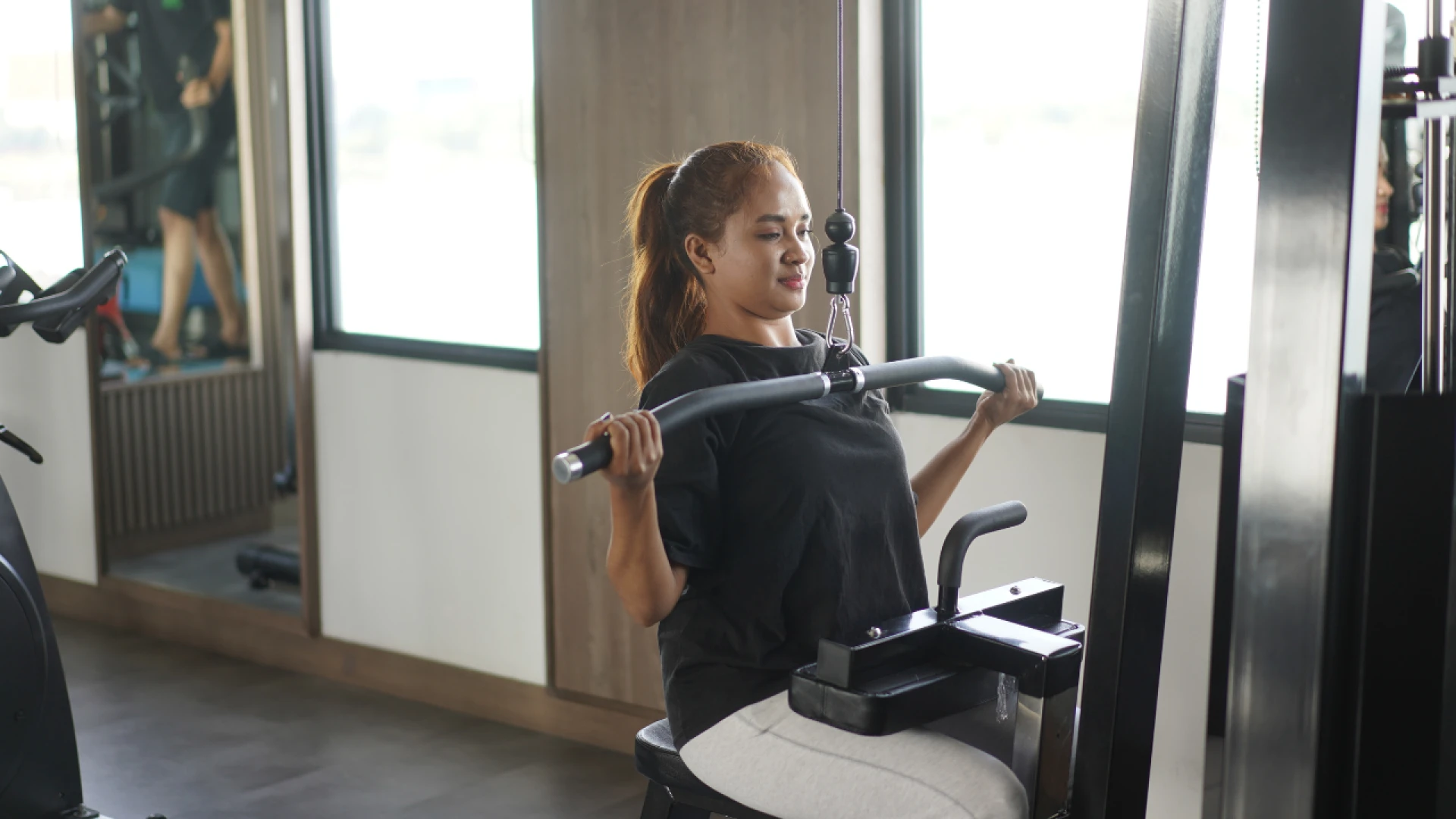
Strength Training Systems
Strength-focused machines have integrated smart features such as guided motion paths, weight adjustment automation, and biometric tracking. Some units employ sensors to monitor form and ensure that exercises are executed safely, while others track sets, repetitions, and load progression. These features make it easier for individuals to maintain consistency in their strength programs and achieve incremental improvements over time.
Hybrid Machines
Hybrid fitness machines combine cardio and strength functionalities with digital training interfaces. For example, some rowers or multi-functional stations allow users to switch between resistance-based and cardiovascular routines seamlessly, all while receiving performance metrics and recommendations. This versatility encourages full-body engagement and supports comprehensive fitness development.
Interactive Mirrors and Screen-Based Systems
A growing category of smart exercise equipment is interactive mirrors. These systems transform reflective surfaces into live training displays, providing real-time guidance, performance feedback, and virtual class access. Users can follow routines led by instructors or AI programs while the system tracks movements and corrects posture. For those seeking a compact and versatile solution, an example of such a fitness exercise machine offers both form and function in a single package.
Advantages of Smart Training Machines
- Personalization – Adaptive programs tailor exercises based on real-time performance and historical data.
- Data-Driven Progress Tracking – Detailed analytics allow users to monitor improvement and adjust routines accordingly.
- Enhanced Safety – Sensors and guided programs help maintain proper form and reduce injury risk.
- Motivation and Engagement – Interactive elements, virtual coaching, and gamification increase adherence to training programs.
- Efficient Workouts – Automatic adjustments and guided sessions ensure that time spent exercising is optimized for maximum impact.
Considerations When Selecting Smart Fitness Equipment
While the benefits of technology-integrated machines are clear, selecting the right system requires attention to several factors:
- Space Requirements – Some equipment, such as full-size treadmills or multi-station setups, may need considerable space, whereas interactive mirrors offer a compact alternative.
- Connectivity and Compatibility – Ensure that devices and apps integrate smoothly with smartphones, wearables, or other health platforms.
- User Interface – Intuitive touchscreens, responsive feedback, and clear instruction are essential for a seamless experience.
- Maintenance and Updates – Machines with complex software may require regular updates or servicing to maintain functionality and accuracy.
- Cost-Benefit Balance – While technology can enhance performance, evaluate whether additional features justify the investment based on your training goals.
Conclusion
Smart fitness exercise machines represent a significant evolution in personal and professional training. By combining mechanical design with digital intelligence, these tools provide users with actionable insights, personalized routines, and interactive experiences that support consistent, safe, and effective exercise. Whether used at home or in commercial settings, their adaptive capabilities offer tangible benefits over traditional equipment, enabling individuals to train smarter, not just harder.
FAQs
What is a fitness exercise machine with smart features?
A smart fitness machine uses sensors, connectivity, and software to track performance, provide feedback, and adjust training programs automatically.
Are smart machines suitable for beginners?
Yes, many systems offer guided routines, tutorials, and adaptive difficulty settings, making them accessible to users of all experience levels.
Do these machines replace personal trainers?
While smart machines provide guidance and feedback, they complement rather than replace professional coaching. They are particularly useful for routine monitoring and safe form practice.
How do interactive mirrors enhance training?
Interactive mirrors display exercises and corrections in real time, allowing users to follow programs while receiving posture and movement feedback without requiring additional equipment.
Can smart machines improve workout efficiency?
Yes, automatic adjustments, personalized programs, and data-driven insights help users maximize the effectiveness of each session while reducing unnecessary effort or risk of injury.