
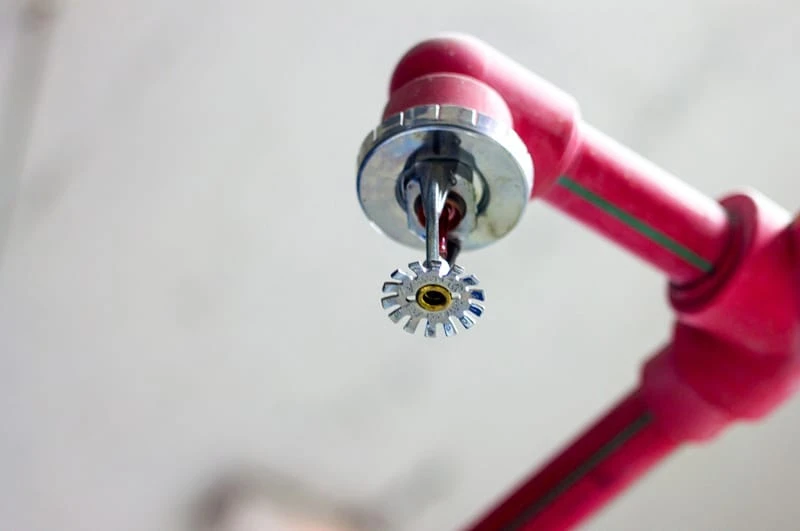
Fire safety isn’t something you think about until you need it. That’s why dependable fire suppression system repair services in Washington are essential for protecting lives, property, and business continuity.
Why Timely Fire Suppression System Repair Matters
A fire sprinkler or suppression system is only effective if it works perfectly in an emergency. Even minor issues like low water pressure, corroded pipes, or faulty valves can compromise the entire setup. Professional repair companies in Washington focus on early detection through detailed inspections, ensuring every component performs when it matters most.
Routine inspection and repair services also help you stay compliant with local fire safety codes. Ignoring maintenance can lead to penalties, higher insurance costs, or worse system failure during a real fire.
What to Expect from Inspection & Repair Services
Top fire suppression system repair providers typically follow a structured process. It begins with a full system inspection, checking sprinkler heads, alarms, piping, and control panels. Technicians then identify wear and tear, leaks, or outdated parts.
Repairs may include replacing damaged sprinkler heads, fixing pressure inconsistencies, or upgrading older systems to meet current standards. Many companies also offer emergency repair services, giving peace of mind around the clock.
Choosing the Right Repair Company
Not all service providers deliver the same level of care. Look for certified technicians, proven experience, and transparent service reports. A reliable company won’t just fix problems they’ll explain them clearly and help you prevent future risks.
Conclusion
Fire suppression system repair isn’t just maintenance it’s protection you can trust. With regular inspections and timely repairs, Washington businesses and homeowners can feel confident knowing their systems are ready to respond when seconds count.
FAQs
Q1: How often should a fire suppression system be inspected?
Honestly, most people forget this—but annual inspections are the minimum. Some systems need quarterly checks depending on usage and local regulations.
Q2: What are common signs my system needs repair?
If you notice leaks, rust, unusual noises, or pressure drops, don’t ignore them. These small signs often point to bigger hidden issues.
Q3: Can I delay minor repairs?
It’s tempting, but risky. A “small” fault can escalate quickly and fail during an emergency.
Q4: Are repair services expensive?
Costs vary, but early repairs are always cheaper than full system replacements—or fire damage.
Q5: Do repair companies offer emergency services?
Yes, most reputable companies provide 24/7 emergency repair because fire safety can’t wait.