As cities continue to expand and commercial infrastructure becomes more sophisticated, large commercial complexes such as shopping malls, corporate offices, business parks, and mixed-use buildings face increasing fire safety challenges. High occupancy levels, extensive electrical networks, and diverse operational activities significantly raise the risk of fire hazards. This makes fire safety planning a crucial component of modern building management.
Fire safety planning is a strategic approach that focuses on prevention, preparedness, emergency response, and system maintenance. Rather than reacting after incidents occur, proactive planning ensures that potential risks are identified and controlled before they become dangerous.
What Is Fire Safety Planning?
Fire safety planning involves creating a comprehensive framework that outlines fire prevention measures, emergency procedures, and system management practices. It ensures that buildings are equipped with proper fire protection systems and that occupants understand how to respond during emergencies.
A well-designed fire safety plan typically includes:
- Fire hazard identification and risk assessment
- Installation of detection and suppression systems
- Clear evacuation routes and exit signage
- Emergency response procedures
- Regular inspections and maintenance
- Employee and occupant training
This structured approach reduces confusion during emergencies and enhances overall safety.
Why Commercial Complexes Require Advanced Fire Safety Planning
Large commercial buildings accommodate thousands of people daily, including employees, visitors, and customers. With restaurants, electrical equipment, storage areas, and machinery operating simultaneously, the risk of fire incidents increases.
Fire safety planning is essential because it:
- Prevents potential fire hazards
- Ensures quick detection and response
- Protects lives and valuable property
- Maintains legal compliance
- Reduces business interruptions
Without proper planning, even minor fire incidents can result in major losses.
The Role of Professional Fire Safety Experts
Designing and implementing an effective fire safety plan requires technical knowledge and regulatory expertise. In the middle of many commercial safety strategies, organizations partner with trusted providers such as I Focus Solutions to develop customized fire safety frameworks.
Professional fire safety specialists assess building layouts, identify risk zones, and recommend suitable detection and suppression systems. Their expertise ensures that fire safety measures align with industry standards and local regulations.
Additionally, many businesses rely on a reliable fire safety company in bangalore for regular inspections, preventive maintenance, and compliance audits, ensuring that safety systems remain functional throughout the year.
Key Components of Effective Fire Safety Planning
To ensure complete protection, commercial complexes should focus on the following elements:
1. Fire Detection Systems
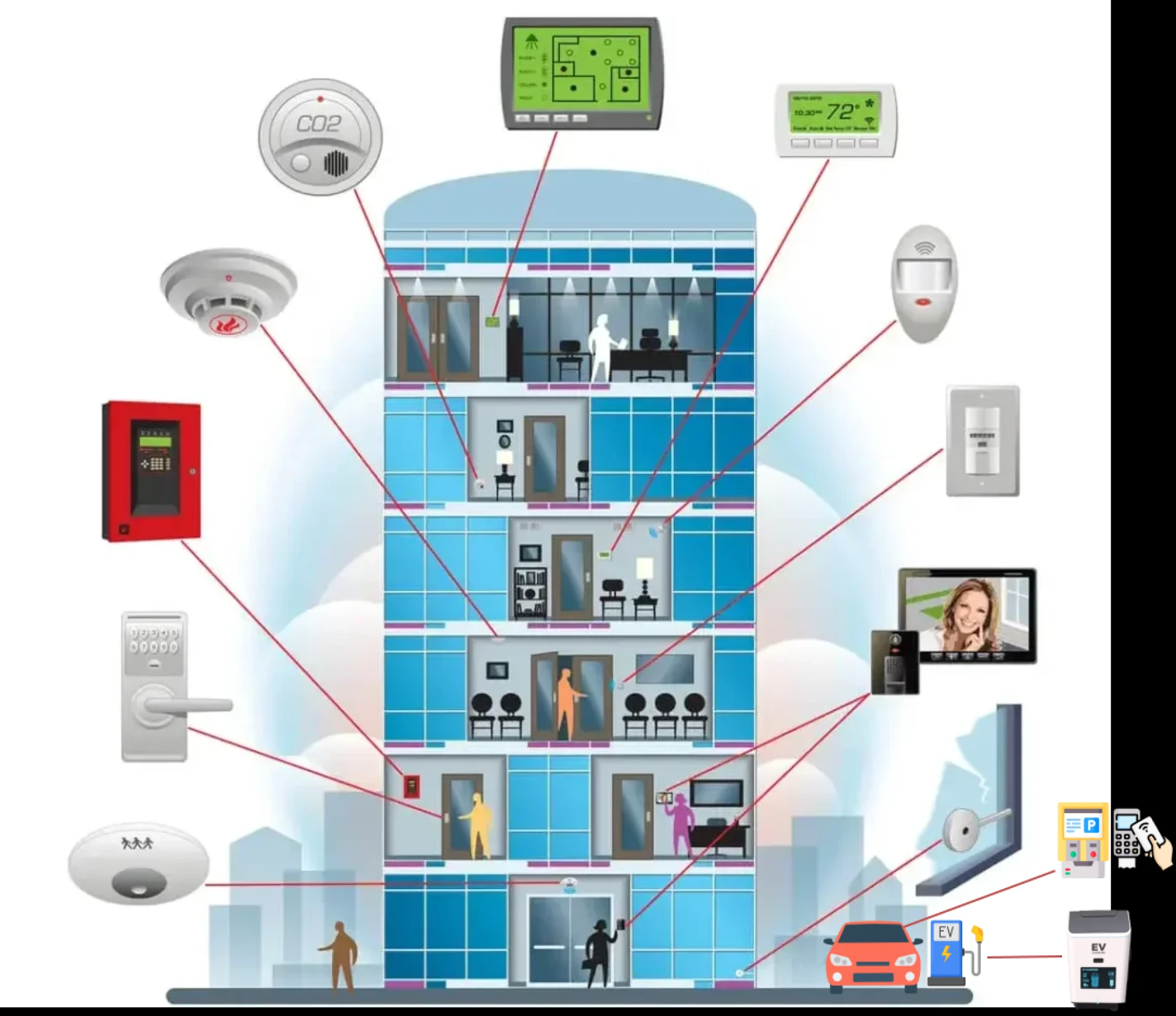
Smoke detectors, heat sensors, and alarm systems should provide early warnings to allow fast evacuation.
2. Fire Suppression Equipment
Sprinklers, fire extinguishers, hydrants, and gas suppression systems help control fire spread.
3. Evacuation Infrastructure
Clear exit routes, emergency lighting, and signage guide occupants safely during emergencies.
4. Emergency Response Procedures
Defined roles and responsibilities ensure coordinated actions during fire incidents.
5. Training and Drills
Regular fire drills improve preparedness and minimize panic.
Common Fire Risks in Commercial Complexes
Fire safety planning helps identify and manage risks such as:
- Electrical overloads and faulty wiring
- Kitchen fires in food courts and restaurants
- Improper storage of combustible materials
- Equipment overheating
- Blocked emergency exits
Addressing these risks early prevents potential disasters.
Benefits of Comprehensive Fire Safety Planning
Organizations that invest in proper fire safety planning experience long-term advantages including:
- Enhanced occupant safety
- Reduced property damage
- Compliance with fire safety regulations
- Lower insurance premiums
- Improved reputation and trust
Preparedness ensures smoother operations even during emergencies.
Challenges in Managing Fire Safety for Large Buildings
Some common challenges include:
- Complex building layouts
- High daily foot traffic
- Multiple operational activities
- Aging infrastructure
- Inconsistent maintenance
Professional planning and regular audits help overcome these difficulties.
The Role of Technology in Modern Fire Safety Planning
Advanced fire safety systems now use smart sensors, automated alerts, and centralized monitoring platforms. These technologies improve detection accuracy and provide real-time system updates.
Modern fire safety planning benefits from:
- Faster emergency notifications
- Remote system monitoring
- Automated suppression activation
- Reduced false alarms
- Improved maintenance tracking
Technology-driven solutions strengthen overall fire protection strategies.
Best Practices for Fire Safety Planning
Commercial complexes can improve fire preparedness by:
- Conducting regular risk assessments
- Updating fire safety plans annually
- Training employees and security teams
- Maintaining equipment consistently
- Partnering with certified professionals
Consistency is key to long-term safety success.
Conclusion
Fire safety planning is a vital requirement for large commercial complexes operating in today’s high-risk environments. It ensures that fire hazards are identified early, safety systems function effectively, and occupants are prepared for emergencies.
By working with professional fire safety providers, maintaining regular inspections, and embracing modern technology, commercial buildings can significantly reduce fire risks. A strong fire safety plan not only protects lives and assets but also ensures uninterrupted business operations and long-term resilience.