Fire safety is a critical consideration for any facility, and maintaining the correct equipment is essential for both compliance and the protection of occupants. Regular maintenance not only ensures that fire safety systems function correctly in an emergency but also demonstrates due diligence during inspections.
Facilities that neglect this aspect risk failing fire safety inspections, incurring penalties, or, in the worst cases, putting lives at risk.
Understanding The Importance Of Fire Safety Equipment Maintenance
Fire safety inspections are designed to assess whether a facility meets the required standards for protecting people, property, and operations. A key component of these inspections is the condition and maintenance of fire safety equipment. This includes fire alarms, extinguishers, sprinkler systems, emergency lighting, smoke detectors, and fire doors.
Equipment that is not properly maintained can fail in an emergency, rendering safety measures ineffective. Inspectors are trained to identify signs of neglect, such as expired certificates, damaged devices, or systems that are not tested regularly. Demonstrating a structured maintenance programme reassures inspectors that the facility takes fire safety seriously.
Fire Extinguishers: Inspection And Servicing
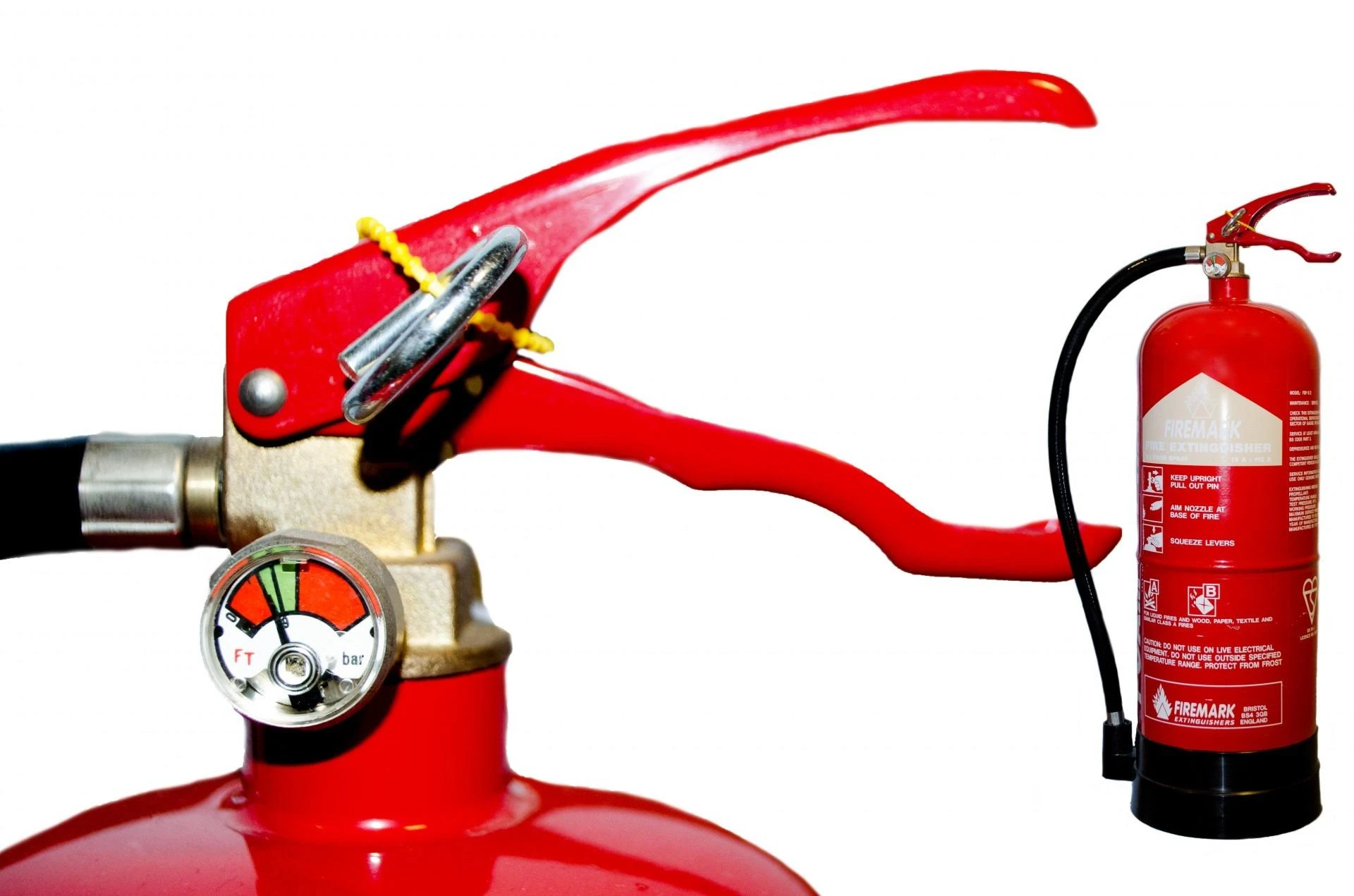
Fire extinguishers are one of the most frequently examined items during inspections. Each extinguisher must be correctly positioned, clearly marked, and easily accessible. Inspectors will also check for the appropriate type of extinguisher for the specific risks in your facility, such as water, foam, CO₂, or powder.
Regular servicing is essential. Extinguishers should be inspected monthly by a responsible person within the facility and undergo annual servicing by a certified professional. Signs of damage, corrosion, or pressure loss should be addressed immediately. Maintaining detailed records of inspections and servicing is equally important, as these are often requested by fire safety inspectors.
Sprinkler Systems And Fire Alarms
Sprinkler systems and fire alarms are integral to early fire detection and suppression. Sprinklers must be inspected regularly for leaks, corrosion, and obstructions. Water supply, valves, and control equipment should also be tested according to manufacturer and regulatory guidelines.
Fire alarms require routine testing to confirm that detectors, sounders, and control panels operate correctly. Monthly or quarterly checks, depending on the system and local regulations, should be recorded meticulously. A malfunctioning fire alarm can compromise evacuation procedures and is a common reason for inspection failure.
Emergency Lighting And Exit Routes
Emergency lighting and exit routes are often overlooked but are crucial during an evacuation. Inspectors will check that emergency lights illuminate escape routes and that exit signs are visible and unobstructed. Lights should be tested periodically, and batteries or backup power sources must be maintained to ensure they operate when needed.
Clear and accessible exit routes are as important as functional lighting. Storage or equipment should never block corridors or doors, and doors themselves must function correctly, opening in the direction of egress as required by fire safety regulations.
Fire Doors And Compartmentation
Fire doors play a vital role in containing fires and allowing safe evacuation. During inspections, doors are examined for proper closure, intact seals, and the absence of tampering. Regular maintenance includes checking hinges, latches, and automatic closers. Damaged doors must be repaired promptly, and any temporary fixes that compromise performance are unacceptable to inspectors.
Proper compartmentation, including walls and ceilings, should also be maintained to prevent the spread of fire and smoke. Inspectors may review both the physical condition and the facility’s maintenance records for evidence of compliance.
Keeping Accurate Records
Documentation is a critical aspect of fire safety compliance. Detailed records of inspections, tests, maintenance, and repairs provide evidence that your facility adheres to safety standards. These records should include dates, personnel responsible, and any corrective actions taken.
Maintaining comprehensive records demonstrates due diligence and can significantly reduce the risk of non-compliance findings during an inspection. In some jurisdictions, regulatory authorities may require copies of these records on-site during inspections, so they should be readily accessible.
Establishing A Maintenance Schedule
An effective approach to fire safety equipment management is the establishment of a structured maintenance schedule. This schedule should cover all devices, systems, and components, including monthly, quarterly, and annual tasks. Responsibilities should be clearly assigned, and any issues should be addressed promptly.
Staff training is also essential. Employees should understand basic checks, know how to report faults, and be familiar with emergency procedures. A culture of proactive maintenance supports both compliance and the overall safety of the facility.
Prioritising Fire Safety Equipment Maintenance
Proper maintenance of fire safety equipment is central to meeting inspection standards and safeguarding your facility. Fire extinguishers, alarms, sprinkler systems, emergency lighting, exit routes, and fire doors must all be inspected, serviced, and documented regularly. A structured maintenance programme not only ensures regulatory compliance but also protects occupants and minimises risks in the event of a fire.
By prioritising equipment maintenance, maintaining accurate records, and training staff effectively, facilities can approach fire safety inspections with confidence. Ultimately, proactive maintenance is an investment in safety, compliance, and the ongoing operational integrity of the organisation.