Varanasi, a city steeped in history and spirituality, is also making strides in modern healthcare. For individuals grappling with persistent respiratory issues, a bronchoscopy might be a crucial diagnostic or therapeutic step. This minimally invasive procedure allows pulmonologists to directly visualize the airways, collect samples, and even perform interventions. But how do you find the right "Bronchoscopy Doctor in Varanasi" – a skilled specialist who can ensure accurate diagnosis and effective treatment?
This comprehensive guide will delve into everything you need to know about bronchoscopy in Varanasi, from understanding the procedure itself to identifying leading specialists and navigating the healthcare landscape of the city.
What Exactly is a Bronchoscopy? Unraveling the Procedure
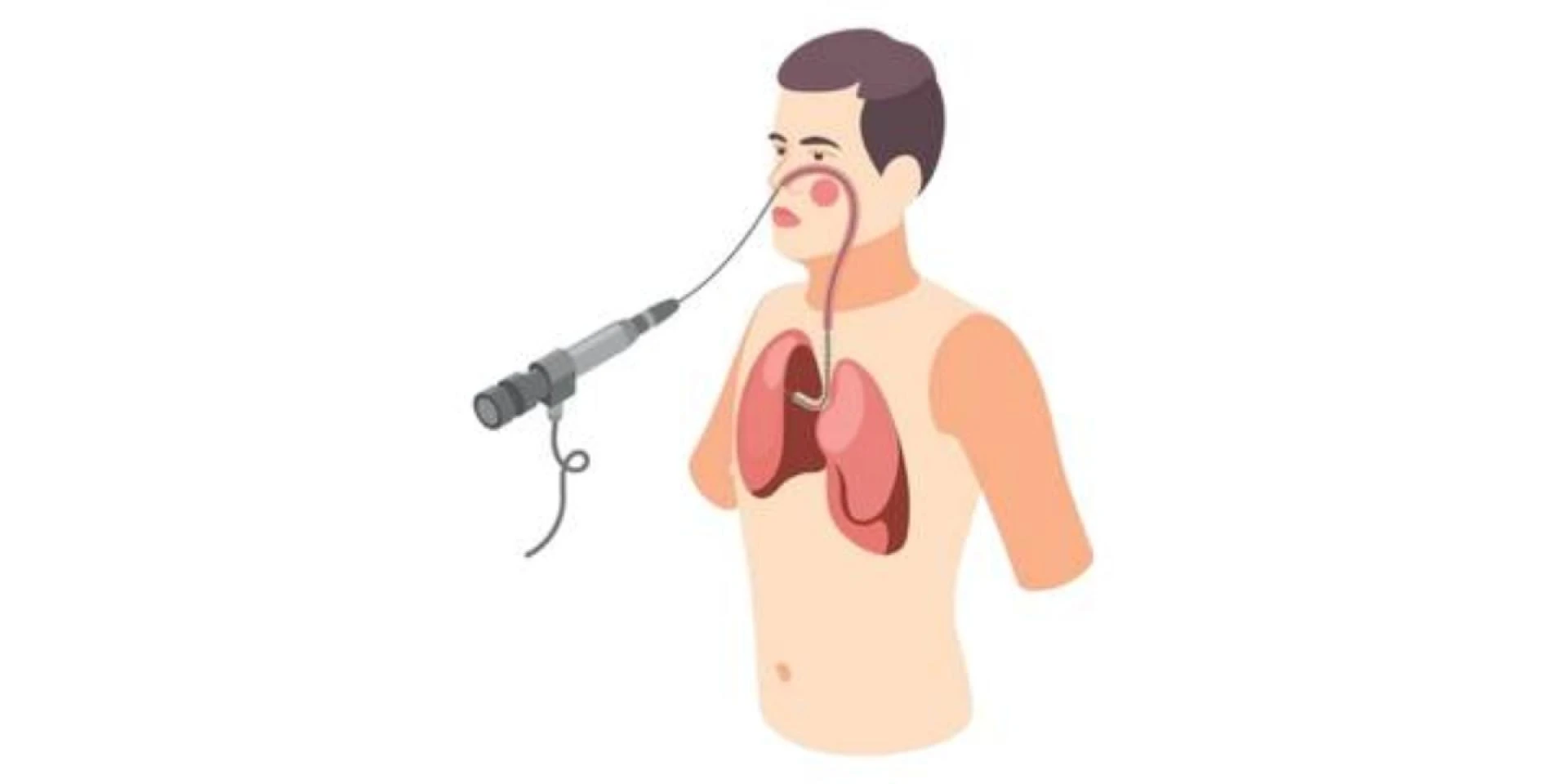
Before we dive into finding the right doctor, let's understand what bronchoscopy entails. A bronchoscopy is a medical procedure that enables a doctor, typically a pulmonologist (lung specialist), to examine the inside of your lungs and air passages. This is done using a bronchoscope, which is a thin, flexible tube equipped with a light and a small camera.
How is it performed?
The procedure usually involves:
- Preparation: You'll typically be asked to fast for several hours before the procedure. Your doctor will review your medications, especially blood thinners, which might need to be stopped temporarily.
- Anesthesia/Sedation: You'll receive a sedative intravenously to help you relax and feel sleepy, though you'll usually remain awake and able to respond. A local anesthetic spray will be used to numb your throat and nose to minimize discomfort and gagging.
- Insertion of Bronchoscope: The bronchoscope is gently inserted through your nose or mouth, moved down your throat, windpipe (trachea), and into the branching airways of your lungs (bronchi and bronchioles).
- Examination and Intervention: The doctor views the airways on a monitor. They can look for abnormalities like inflammation, infection, bleeding, tumors, or foreign bodies. If necessary, tiny tools can be passed through the scope to:
- Take biopsies: Small tissue samples can be collected for laboratory analysis to diagnose conditions like cancer or infections.
- Collect fluid samples: Saline solution can be washed into the airways and then suctioned out to collect cells and microbes for analysis (bronchoalveolar lavage or BAL).
- Remove foreign bodies: Objects accidentally inhaled (common in children) can be retrieved.
- Clear mucus plugs: Thick mucus that is blocking airways can be removed.
- Perform therapeutic interventions: In some cases, bronchoscopy can be used for procedures like laser therapy to shrink tumors, electrocautery to stop bleeding, or stent placement to open narrowed airways.
- Recovery: After the procedure, you'll be monitored until the sedative effects wear off. You might experience a sore throat or hoarseness for a day or two. Due to the sedation, you'll need someone to drive you home.
Flexible vs. Rigid Bronchoscopy:
- Flexible bronchoscopy is most common, performed with a thin, bendable tube and usually requires only local anesthetic and sedation.
- Rigid bronchoscopy uses a straight, rigid tube and is typically performed under general anesthesia in an operating room. It's often used for situations requiring more extensive interventions, such as removing large foreign bodies or managing significant bleeding.
Why Would You Need a Bronchoscopy? Common Indications
Bronchoscopy is a versatile tool used for both diagnosis and treatment of a wide range of lung and airway conditions. Here are some common reasons a doctor in Varanasi might recommend a bronchoscopy:
- Persistent Cough: If you have a cough that doesn't go away after weeks, especially if accompanied by blood or unexplained weight loss, a bronchoscopy can help identify the cause.
- Abnormal Chest X-ray or CT Scan: If imaging tests reveal suspicious masses, nodules, enlarged lymph nodes, or persistent infiltrates, bronchoscopy can provide a direct view and allow for biopsy.
- Suspected Lung Cancer: It's a primary method for diagnosing lung cancer by obtaining tissue samples from suspicious areas.
- Lung Infections: To identify the specific pathogen causing a persistent or unusual lung infection (e.g., tuberculosis, fungal infections) that hasn't responded to standard treatments.
- Bleeding in the Lungs (Hemoptysis): To locate the source of bleeding and, in some cases, control it.
- Airway Obstruction: To determine the cause of narrowed or blocked airways (e.g., tumors, strictures, foreign bodies) and potentially clear them.
- Foreign Body Aspiration: To retrieve objects accidentally inhaled into the lungs, especially common in children.
- Evaluation of Vocal Cord Paralysis: To check for underlying causes affecting the vocal cords.
- Pulmonary Alveolar Proteinosis (PAP): For therapeutic lavage to clear proteinaceous material from the alveoli.
Identifying the Best Bronchoscopy Doctor in Varanasi: A Step-by-Step Approach
Finding a highly skilled and experienced bronchoscopy doctor is paramount for a successful outcome. In Varanasi, here's how you can approach your search:
- Look for Pulmonologists (Chest Specialists): Bronchoscopy is primarily performed by pulmonologists. They are experts in lung diseases and airway disorders.
- Check for Interventional Pulmonologists: For more complex procedures or therapeutic bronchoscopies (like stent placement, tumor debulking), an interventional pulmonologist will have specialized training and equipment.
- Consider Experience and Volume: Look for doctors who perform bronchoscopies regularly. A higher volume of procedures often correlates with greater expertise and lower complication rates. Inquire about their experience with the specific type of bronchoscopy you might need.
- Hospital Affiliation and Facilities:Reputable Hospitals: Look for doctors associated with well-established hospitals in Varanasi that have advanced pulmonology departments and modern diagnostic and interventional facilities. These hospitals are more likely to have the necessary equipment, critical care support, and experienced staff for safe procedures.
- Dedicated Bronchoscopy Suite: A dedicated, well-equipped bronchoscopy suite ensures optimal conditions for the procedure.
- ICU Backup: For any potential complications, having an Intensive Care Unit (ICU) backup is crucial.
- Patient Reviews and Testimonials: Online platforms (like Justdial, Practo, Google Reviews) can provide insights into patient experiences. Look for comments on the doctor's professionalism, communication skills, success rates, and post-procedure care.
- Referrals:General Physician Referral: Your primary care doctor can be an excellent source of referrals to trusted pulmonologists in Varanasi.
- Word-of-Mouth: Ask friends, family, or other healthcare professionals for recommendations based on their personal experiences.
- Qualifications and Certifications: Ensure the doctor has relevant medical degrees (MBBS, MD) and specialized training in pulmonology (e.g., MD in Respiratory Medicine, DNB in Pulmonology, DTCD).
- Communication and Compassion: During your initial consultation, assess how well the doctor communicates, explains the procedure, answers your questions, and addresses your concerns. A compassionate approach can significantly ease patient anxiety.
- Cost and Insurance: Discuss the estimated cost of the procedure and inquire about insurance coverage upfront. Bronchoscopy costs in Varanasi can vary based on the facility, type of procedure, and any additional tests or interventions. Based on recent data, the average cost for bronchoscopy in Varanasi ranges from ₹3,000 to ₹35,000, with an average of around ₹21,000, depending on the hospital type and specific factors.
Leading Names and Facilities for Bronchoscopy in Varanasi
While a definitive "best" is subjective and depends on individual patient needs, several pulmonologists and hospitals in Varanasi are well-regarded for their expertise in respiratory medicine, including bronchoscopy. It's always advisable to verify the latest information and consult directly.
- Dr. Utsav Samaria (Samaria Multi-Speciality & Chest Centre): Known for comprehensive respiratory care and also offering bronchoscopy services.
- Dr. Vikas Jaiswal (Lung Plus Clinic): Often cited in online reviews and directories as a highly-rated pulmonologist and chest specialist in Varanasi, with expertise in interventional pulmonology, which includes bronchoscopy. His clinic appears to be a well-equipped facility.
- Dr. Rashid Parvez (Chestwell Clinic): Another frequently mentioned pulmonologist with good patient feedback, indicating experience in chest and respiratory conditions where bronchoscopy might be a routine procedure.
- Mahamana Pandit Madan Mohan Malaviya Cancer Centre (MPMMCC): As a dedicated cancer center, MPMMCC would undoubtedly have a robust pulmonology department equipped for advanced diagnostic bronchoscopies, especially for lung cancer diagnosis and staging.
- Heritage Hospital: A well-known multi-specialty hospital in Varanasi, likely to have experienced pulmonologists and the necessary infrastructure for bronchoscopic procedures.
- Apex Superspeciality Hospital: Another multi-specialty hospital that generally offers a wide range of medical services, including pulmonology.
- Peace Point Hospital Pvt Ltd: Also listed as a facility with pulmonology services where bronchoscopy is likely performed.
Note: The information above is based on publicly available data and common mentions. It is crucial to conduct your own thorough research, read recent patient reviews, and schedule consultations before making a decision. Doctor's specializations and affiliations can change.
What to Expect During and After Your Bronchoscopy in Varanasi
Understanding the process can alleviate anxiety:
Before the Procedure:
- You will have a detailed consultation with your pulmonologist where the procedure will be explained, risks and benefits discussed, and your questions answered.
- You'll likely undergo pre-procedure tests like blood tests, chest X-ray, or ECG to ensure you're fit for the procedure.
- You'll receive specific instructions regarding fasting and medication adjustments.
During the Procedure (30-60 minutes typically):
- You'll be in a comfortable position, often lying on your back.
- Monitors will track your heart rate, blood pressure, and oxygen levels.
- Sedatives will make you drowsy but generally not unconscious.
- The throat and nose will be numbed.
- The doctor will skillfully guide the bronchoscope into your airways. You might feel a sensation of pressure or coolness but generally no pain.
After the Procedure:
- Recovery Area: You'll be moved to a recovery area for a few hours where nurses will monitor your vital signs.
- Numbness: Your throat will remain numb for a while, so you won't be allowed to eat or drink until the gag reflex returns (usually after 1-2 hours) to prevent choking.
- Sore Throat/Cough: It's common to have a mild sore throat, hoarseness, or a slight cough.
- Results: Your doctor will discuss preliminary findings with you and let you know when to expect the full results of any biopsies or samples (which can take several days to a week).
- Follow-up: A follow-up appointment will be scheduled to discuss the detailed results and plan further treatment if necessary.
Risks and Benefits of Bronchoscopy: A Balanced View
Like any medical procedure, bronchoscopy carries some risks, though it is generally considered safe when performed by experienced hands.
Potential Risks (Rare):
- Bleeding: Minor bleeding, especially after a biopsy, is common. Significant bleeding is rare.
- Infection: A small risk of developing a lung infection (pneumonia) after the procedure.
- Pneumothorax (Collapsed Lung): A rare but serious complication where air leaks from the lung into the space between the lung and chest wall, leading to lung collapse. This usually requires a chest tube for treatment.
- Breathing Difficulties: Temporary shortness of breath or a drop in oxygen levels during or immediately after the procedure.
- Reaction to Sedation/Anesthesia: Allergic reactions or other side effects related to the medications used.
Significant Benefits:
- Precise Diagnosis: Offers direct visualization of the airways and allows for targeted biopsies, leading to accurate diagnosis of various lung conditions, including cancer, infections, and inflammatory diseases.
- Minimally Invasive: It is a less invasive alternative to open surgical procedures for diagnosis and certain treatments.
- Therapeutic Capabilities: Beyond diagnosis, it can remove foreign bodies, clear blockages, and deliver targeted treatments.
- Early Detection: Can detect serious conditions like lung cancer at an early stage, which significantly improves treatment outcomes.
- Improved Treatment Planning: Provides crucial information that helps doctors formulate the most effective treatment plan tailored to the patient's specific condition.
Conclusion: Breathing Easier with Expert Care in Varanasi
Facing a diagnostic procedure like bronchoscopy can be daunting, but armed with the right information, you can approach it with confidence. Varanasi is home to skilled pulmonologists and modern healthcare facilities capable of providing excellent bronchoscopy services.
When searching for a "Bronchoscopy Doctor in Varanasi," prioritize specialists with proven expertise, good patient reviews, and affiliations with reputable hospitals. Don't hesitate to ask questions, understand the procedure, and ensure you feel comfortable and confident in your chosen medical team. With early diagnosis and expert care, you can take significant strides towards better respiratory health and breathing easier in the sacred city.