Parents in Noida often look for schools that suit their child’s age and nature. Some want a calm place where their child feels safe. Others want exposure to global learning. It depends on what a child responds to. A school should offer care, attention, and structured learning.
Early Start: Best Play School in Noida
A good start makes a strong base. Play schools are not only about fun. They teach basic skills in a soft and friendly way. Kids learn to listen, respond, and take small steps toward independence.
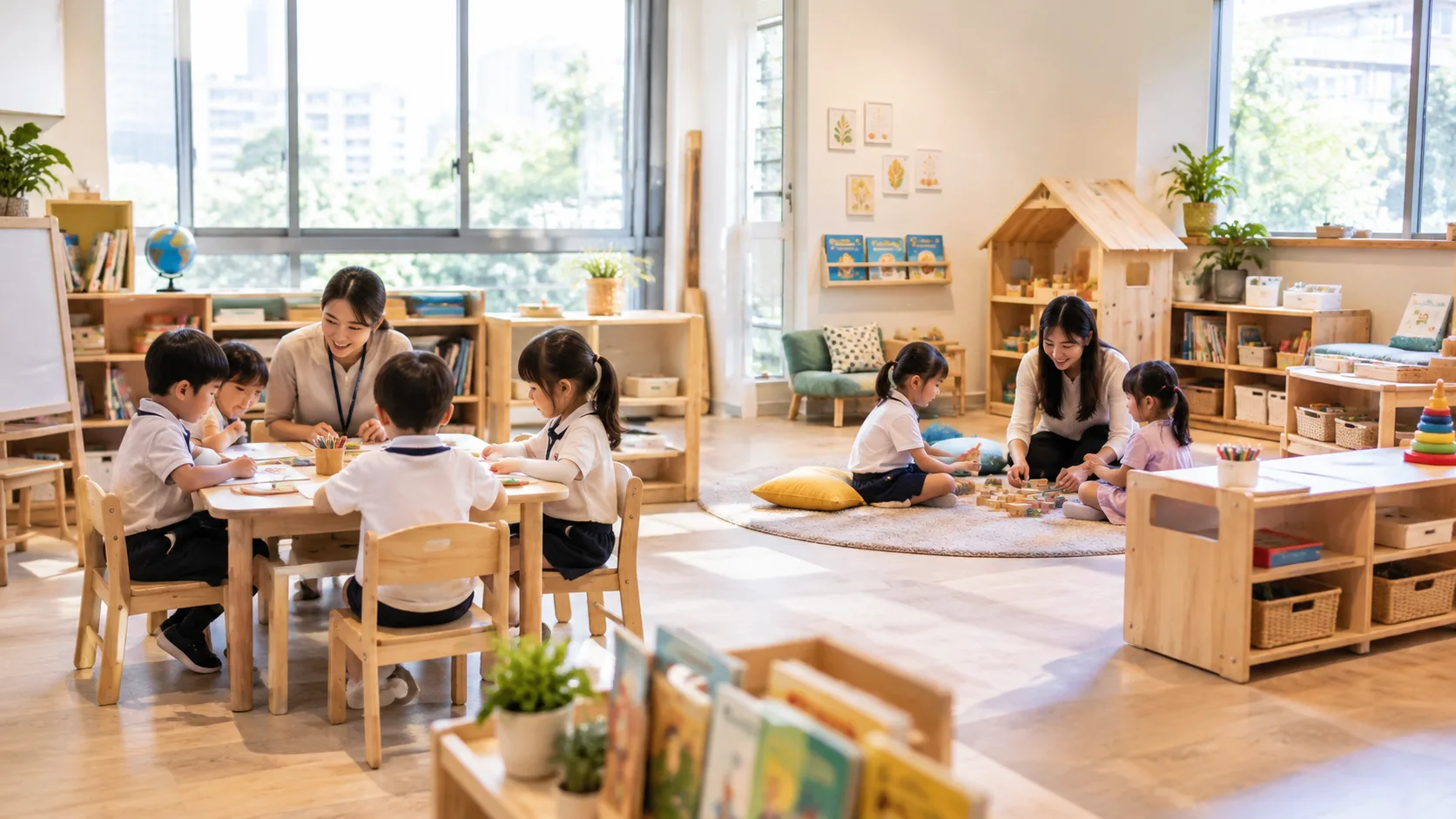
The best play school in Noida often includes:
● Bright and clean classrooms
● Age-appropriate toys and tools
● Friendly teachers who guide with care
● Short activities that build early skills
● Storytime, singing, and hands-on play
Most schools also have regular parent-teacher talks. Some have apps that track what the child did in class. Many schools let parents visit for short periods to ease the child’s fear. Some play schools keep their batches small. This gives each child better attention.
Meals are often provided, and transport is usually available. Safety is a high priority. There are guards and trained staff in place.
A good play school creates a routine. Children follow that and feel safe. It helps in forming habits like washing hands, sitting in one place, and asking for help.
Learning Ahead: Best International School in Noida
As the child grows, the need for structure grows too. Some parents want exposure to wider learning methods. That’s where international schools play a role. These schools mix skill-based learning with world views.
The best international school in Noida may follow IB or Cambridge board. These boards do not rely only on marks. They focus on skills, research, and group work.
Such schools often offer:
● Smart classrooms with updated tools
● Science labs, libraries, and art rooms
● Equal focus on sports, music, and language
● Small batches and experienced teachers
● Projects and discussions instead of only tests
The classroom often has students from different cities or countries. This helps students understand other views. They learn to speak confidently and share their thoughts.
Some schools also have exchange programs. These help students visit other countries. Schools may offer career sessions and skill classes from middle school.
What Parents Often Check
Before choosing a school, most parents ask:
● How far is the school from home?
● What’s the student-teacher ratio?
● Are there co-curricular options?
● Do they follow a fixed fee or raise it often?
● Is there feedback given regularly?
The right school balances learning and comfort. It helps children grow in their own way. Some children enjoy activities. Others enjoy reading quietly. A good school supports both types.