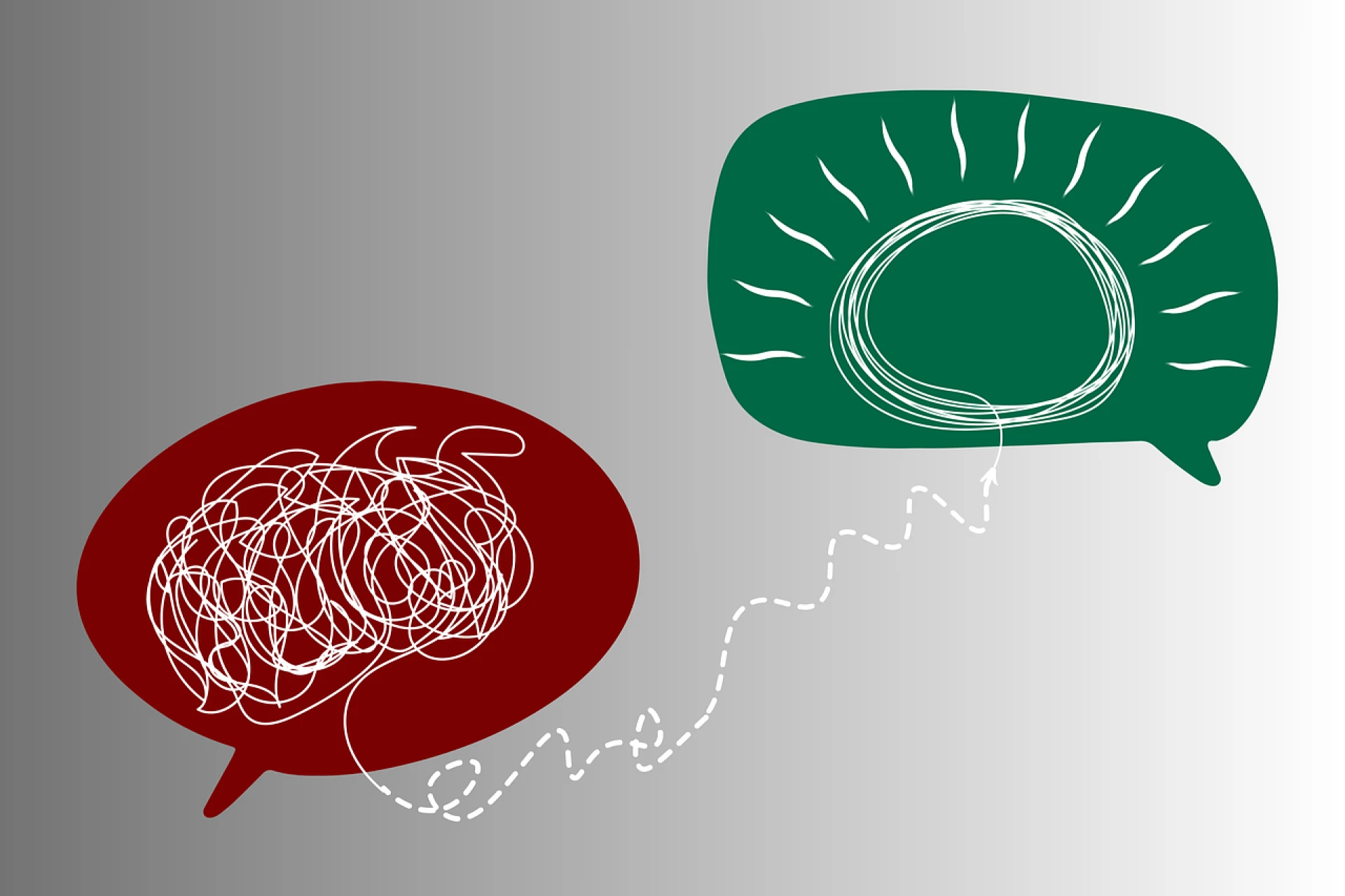
Depression is a pervasive mental health condition that affects millions worldwide, casting a shadow over daily life. Fortunately, Depression Treatment offers a path to relief, helping individuals reclaim joy and functionality. From therapy to medication and innovative approaches, treatment is tailored to address the unique needs of each person. This article explores the multifaceted world of depression treatment, its benefits, and practical steps to access care, emphasizing that recovery is within reach with the right support.
Understanding Depression
Depression, or major depressive disorder, goes beyond temporary sadness, manifesting as persistent low mood, fatigue, and loss of interest in activities. According to the World Health Organization, over 280 million people globally experience depression, making it a leading cause of disability. Symptoms can stem from genetic predispositions, trauma, or life stressors, often disrupting work, relationships, and health. Recognizing depression as a medical condition—not a personal failing is crucial. Effective treatment hinges on this understanding, empowering individuals to seek help without shame.
The Power of Psychotherapy
Psychotherapy is a cornerstone of depression treatment, offering a safe space to explore emotions and develop coping strategies. Cognitive Behavioral Therapy (CBT) is highly effective, helping patients identify and reframe negative thought patterns. Studies show CBT can reduce symptoms in 50-60% of patients after 12-16 sessions. Interpersonal Therapy (IPT) focuses on improving relationships, addressing social triggers of depression. For those preferring a group setting, support groups provide peer connection, reducing isolation. Therapy empowers individuals to build resilience and regain control over their mental health.
Medication as a Tool
Medication often complements therapy in depression treatment. Antidepressants, such as Selective Serotonin Reuptake Inhibitors (SSRIs) like fluoxetine or sertraline, work by balancing brain chemicals like serotonin. Tricyclic antidepressants or SNRIs may be prescribed for more complex cases. According to clinical data, 40-60% of patients experience significant improvement with medication, though finding the right one may require trial and adjustment. Working closely with a psychiatrist ensures proper dosage and monitoring for side effects. Medication isn’t a standalone solution but can stabilize mood, making therapy more effective.
Emerging and Innovative Treatments
For those with treatment-resistant depression, innovative approaches offer hope. Transcranial Magnetic Stimulation (TMS) uses magnetic fields to stimulate brain regions involved in mood regulation, showing a 50% response rate in resistant cases. Ketamine therapy, administered in controlled settings, provides rapid relief for severe depression, with effects often seen within hours. Psychedelic-assisted therapy, such as psilocybin trials, is gaining traction, with early studies reporting 70% improvement rates in treatment-resistant patients. These advancements highlight the evolving landscape of depression treatment, adapting to diverse needs.
The Role of Lifestyle Changes
Lifestyle interventions are vital adjuncts to professional treatment. Regular exercise, such as 30 minutes of moderate activity five times a week, can reduce depression symptoms by up to 25%, per research, by boosting endorphins. A balanced diet rich in omega-3s and whole foods supports brain health. Sleep hygiene maintaining consistent sleep schedules helps regulate mood. Mindfulness practices, like meditation or yoga, reduce stress and enhance emotional regulation. While not replacements for clinical care, these habits amplify treatment outcomes, fostering holistic well-being.
Benefits of Seeking Treatment
Depression treatment does more than alleviate symptoms; it transforms lives. Untreated depression can lead to physical health issues, like heart disease, and increase suicide risk—over 700,000 deaths annually, per WHO. Treatment improves quality of life, restoring energy, focus, and relationships. Early intervention is key: adolescents receiving treatment are 30% less likely to develop chronic mental health issues. Workplace programs, like Employee Assistance Programs (EAPs), recognize these benefits, offering counseling to boost productivity. Effective treatment also reduces healthcare costs, benefiting society as a whole.
Overcoming Stigma and Barriers
Stigma remains a significant hurdle, with many viewing depression as a weakness rather than a treatable condition. Public campaigns, like World Mental Health Day, aim to normalize seeking help, but personal stories are equally powerful. Sharing experiences via blogs or support groups humanizes the struggle, encouraging others to act. Access barriers, such as cost or availability, persist. Telehealth platforms like BetterHelp make therapy affordable, while community clinics offer sliding-scale fees. In crises, hotlines like the 988 Suicide & Crisis Lifeline provide immediate support, ensuring help is accessible.
Building a Support Network
A strong support network enhances depression treatment. Friends and family provide emotional grounding, while peer support groups offer shared understanding. Psychoeducation learning about depression—empowers patients and loved ones to navigate challenges together. Online communities, like those on Reddit or NAMI forums, connect individuals globally. Treatment plans often include family therapy to improve communication, addressing relational strain. A support network acts as a safety net, reinforcing professional care and fostering hope.
Accessing Depression Treatment
Accessing treatment starts with a healthcare provider, such as a primary care doctor or therapist, who can assess symptoms and recommend a plan. Insurance often covers therapy or medication, though coverage varies. For uninsured individuals, non-profits like NAMI or local health departments offer resources. Telehealth has revolutionized access, with platforms connecting users to licensed professionals remotely. When choosing a provider, consider their expertise and cultural competence, as trust is critical for effective therapy. Taking the first step reaching out sets the foundation for recovery.
Conclusion: A Brighter Tomorrow
Depression treatment is a lifeline, offering hope to those in darkness. Through therapy, medication, innovative treatments, and lifestyle changes, individuals can reclaim their lives. Overcoming stigma and access barriers requires collective effort, but resources are more available than ever. If you’re struggling, know that depression is treatable, and help is a call or click away. Prioritize your mental health today whether through a therapist, a support group, or a small lifestyle change and step toward a brighter, healthier tomorrow.