Metal construction is constructed to be strong and durable, but even the most resistant materials may deteriorate quietly over time. One of the largest predicaments of industries all over the world is corrosion, which results in expensive repairs and sudden breakdowns of equipment.
It is important to concentrate on the two key offenders, namely Pitting Corrosion and Galvanic Corrosion, that may severely undermine the integrity of metal in case it is not handled accordingly.
What is Pitting Corrosion?
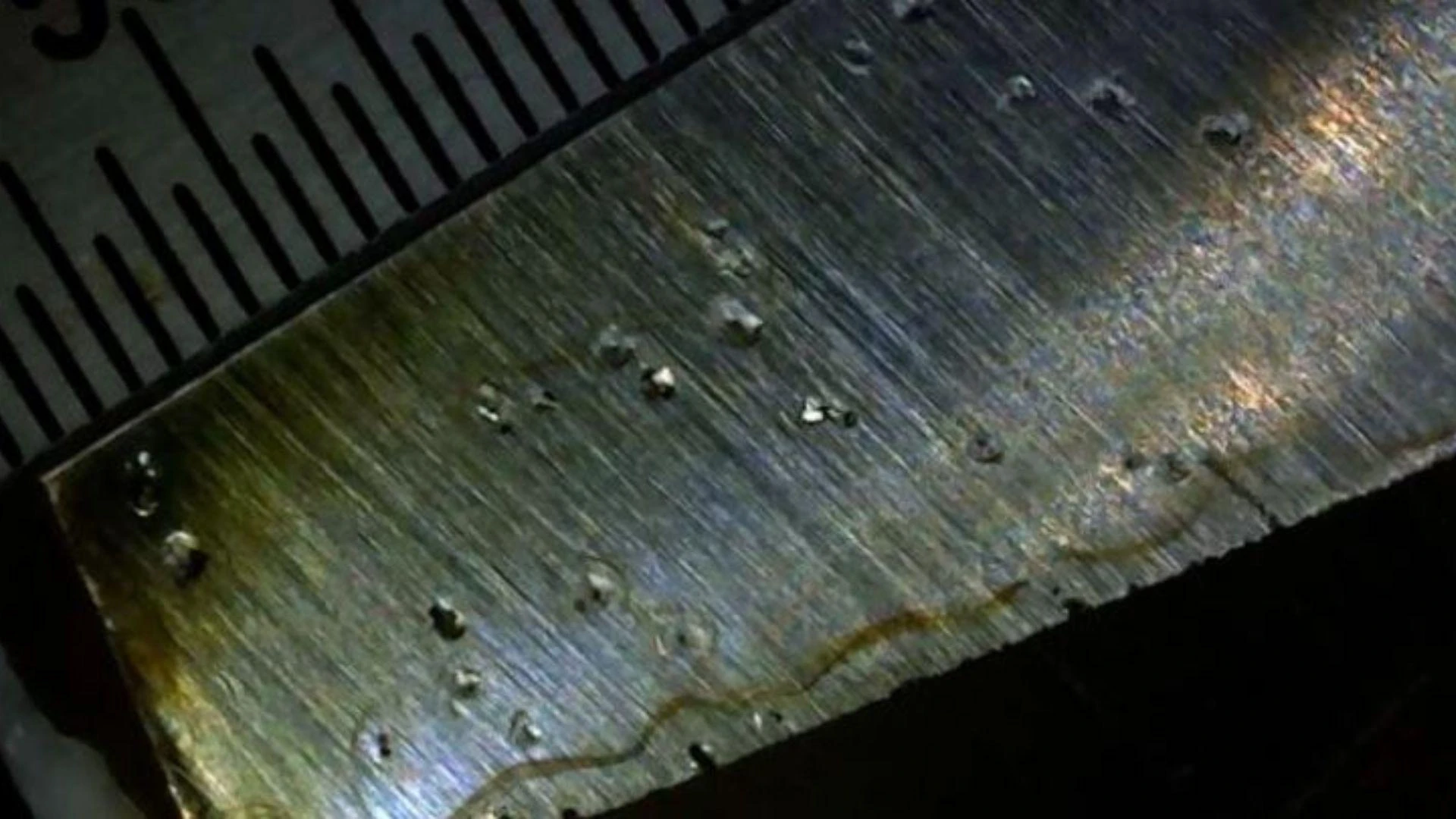
Pitting Corrosion is a localized type of corrosion that forms small holes or pits on the surface of a metal. These holes could seem small and insignificant at first sight, although they could go deep into the material, destroying it internally. Its risk is that the condition can develop very easily without being noticed before causing major harm.
This form of corrosion normally occurs in stainless steel and aluminum, as well as nickel alloys, whereby the protective oxide layers disintegrate. These layers can be attacked by either chloride ions in seawater or industrial chemicals, thereby setting up internal corrosion spread. Once a pit is initiated, the local environment within it will fall to acidic and oxygen-deficient, increasing the rate at which it is attacked.
Early Detection and Prevention of Damage
Early detection and proactive prevention are the keys to the fight against Pitting Corrosion as well as Galvanic Corrosion. The surface damage may be detected by visual examination, but a more detailed knowledge of the behavior of a material in a particular environment may be obtained with advanced methods, including electrochemical tests, the microscope, and accelerated corrosion tests.
The practices enable engineers to know where failure is likely to occur and select materials and coatings that will withstand real-life situations. The frequent testing is also able to make sure that the strategies against corrosion are still viable with time.
The Tested Remedies of Best Future Insurance
Pitting Corrosion prevention begins with the choice of alloys to use, which must be of high quality, including 316L stainless steel or titanium, which have a higher chloride resistance. The effect of corrosive agents can also be minimized through the application of protective coatings or corrosion inhibitors, or cathodic protection systems.
For Galvanic Corrosion, similar metals, a non-conductive barrier, or sacrificial anodes may be employed to prevent electrical interaction between metals and metals. Good design issues, such as moisture traps, drainage, and contact between dissimilar metals, are also important to long-term success.
Conclusion
It is not necessarily the end, and the corrosion is unavoidable. Through the knowledge and mitigation of Pitting Corrosion, people in the industries can be able to prolong the life of their properties, enhance safety, and reduce expensive maintenance.
At Corrosion Testing and Solutions, LLC, they are known to be experts in the diagnosis, testing, and control of Pitting Corrosion and Galvanic Corrosion using advanced electrochemical analysis and environmental testing. Their specialists are offering practical information and valid solutions to make your metals strong enough to endure time, pressures, and corrosion.