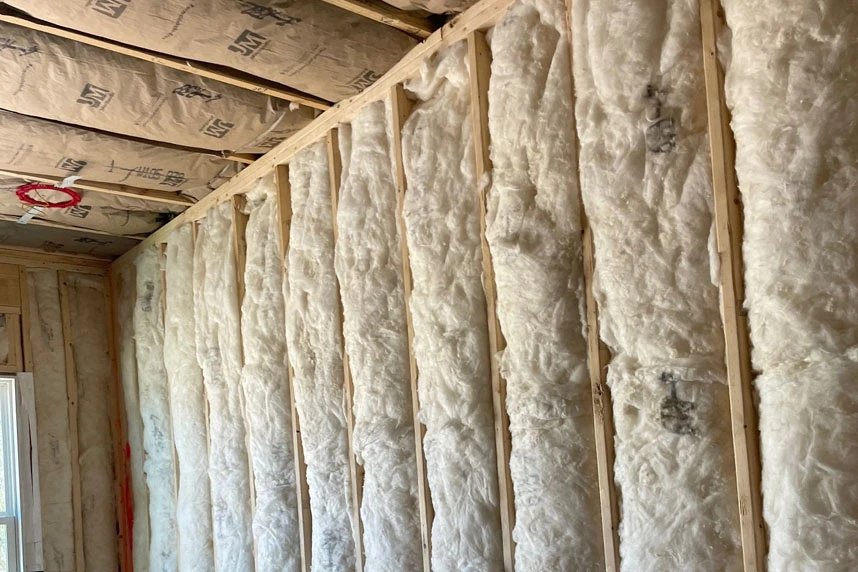
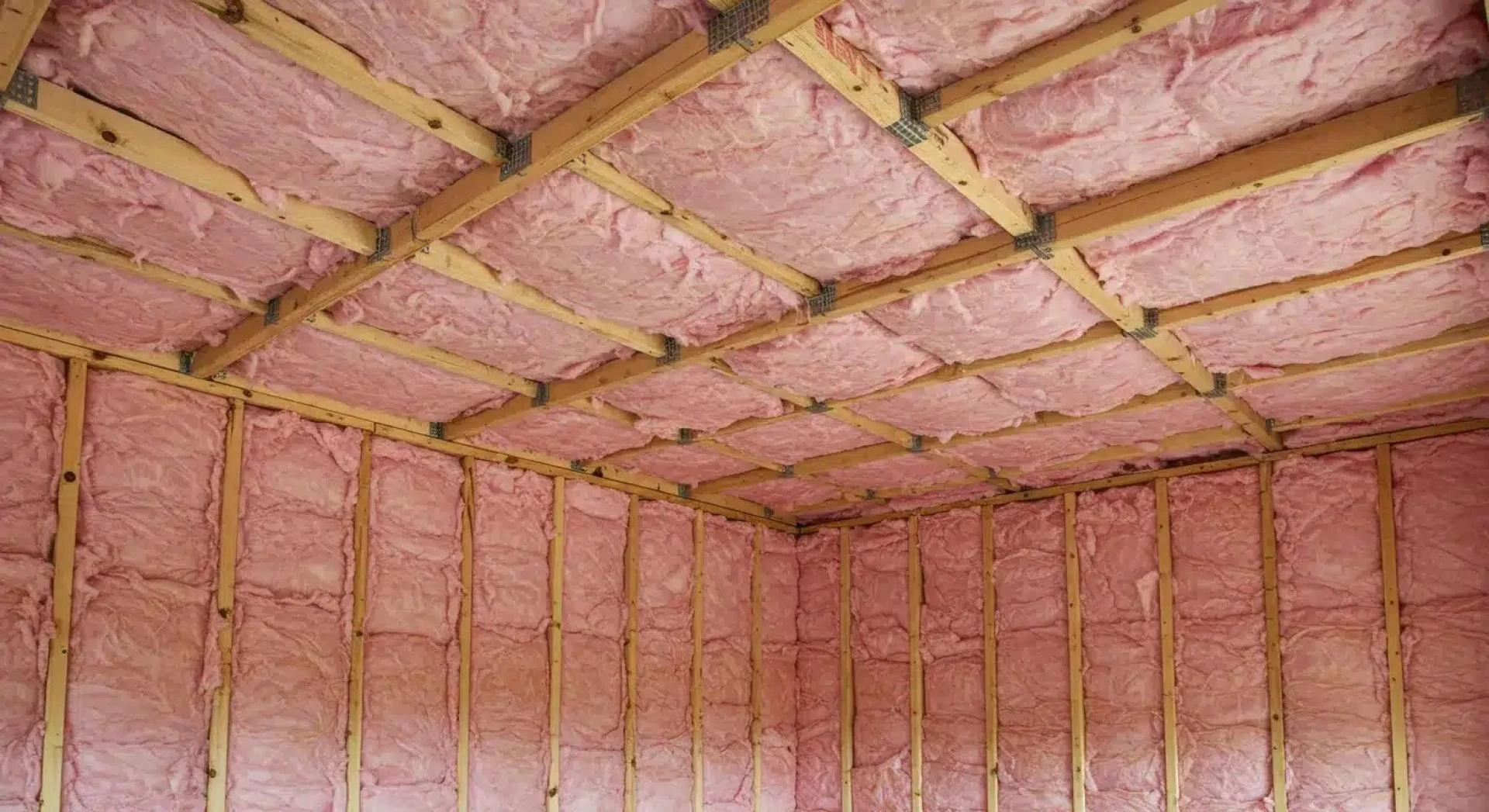
Fiberglass batt insulation expert is one of the most common and recognizable insulation materials used in homes today. These familiar pink or yellow blankets are made from extremely fine fibers of glass that are spun into a fluffy texture and then formed into pre-cut rolls or batts. Its primary benefit is providing a cost-effective way to improve a home's thermal performance. Fiberglass works by trapping pockets of air within its fibers, which slows the movement of heat. While it faces competition from other materials, its low cost, wide availability, and ease of installation have made it a standard choice for walls, attics, and floors for decades.
However, its performance is highly dependent on the quality of the installation. This guide, drawing from the knowledge of professional insulation contractors, will provide a clear explanation of fiberglass batt insulation, covering its main benefits, typical costs and applications, and its notable limitations.
The Core Benefits of Fiberglass Batts
The enduring popularity of fiberglass batt insulation is due to a few key advantages that make it an attractive option for many homeowners and builders.
Cost-Effectiveness
The most significant benefit of fiberglass batts is their low upfront cost. On a per-square-foot basis, fiberglass is one of the most affordable insulation materials on the market. This makes it a popular choice for new construction projects and for homeowners who need to insulate a large area on a tight budget. A recent industry report on building materials consistently lists fiberglass as one of the lowest-cost options for achieving a standard R-value in a home.
Ease of Installation
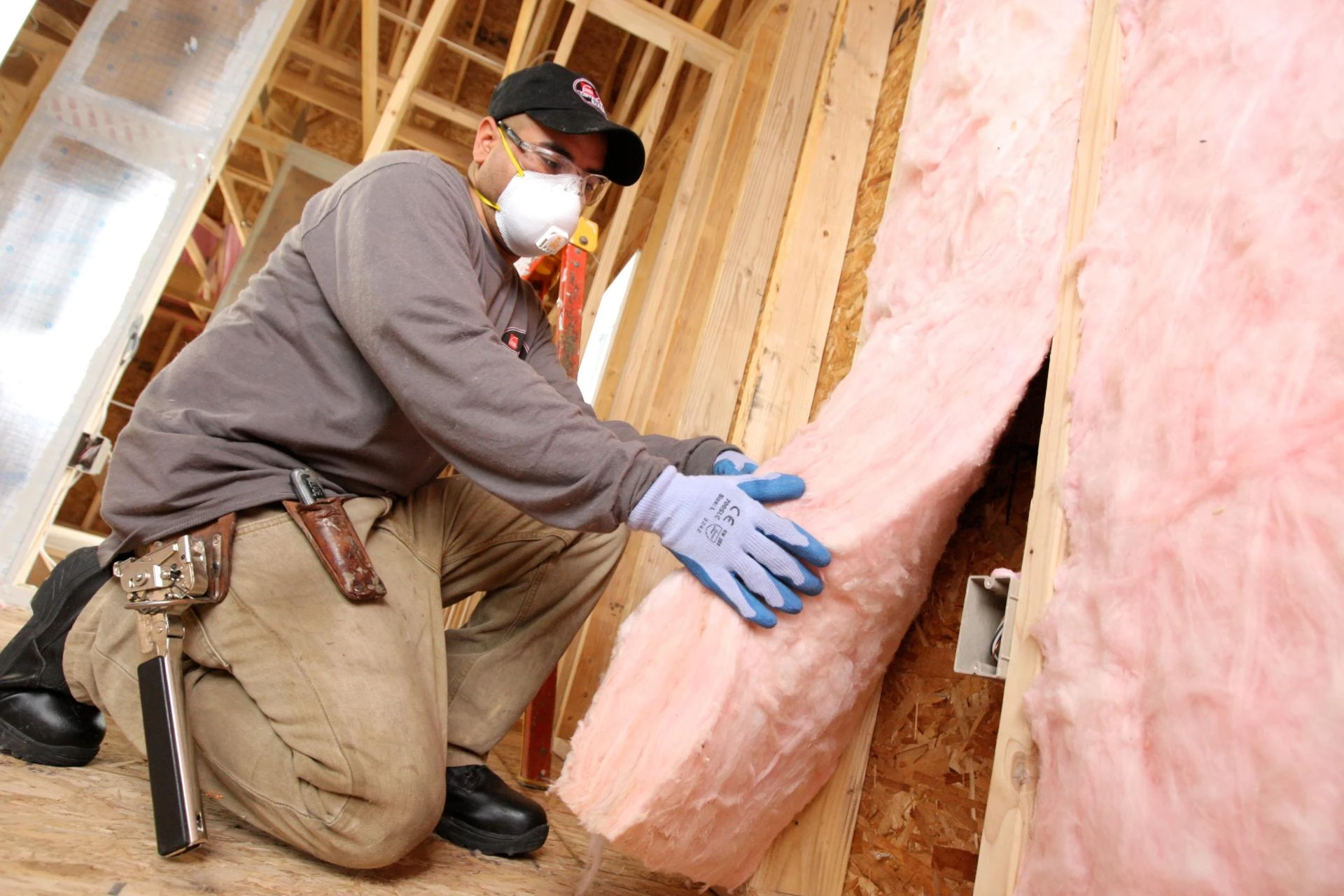
Fiberglass batts are manufactured in standard widths that are designed to fit snugly between the studs and joists in a typical wood-framed house. This makes the installation process relatively straightforward, especially in open, unobstructed cavities like those in a new home under construction. The batts can be easily cut to fit around obstacles, and their friction-fit design helps them stay in place.
Natural Fire Resistance
The glass fibers that make up the insulation are naturally non-combustible. This gives the material an inherent fire resistance that does not require the addition of any chemical fire retardants. While the paper or foil facing on some batts is flammable, the insulation itself will not burn and can help to slow the spread of a fire within a wall cavity.
Common Applications in a Home
Fiberglass batts are a versatile product that can be used in several different areas of a home to create a thermal barrier.
- Exterior Walls: This is the most common application. Batts are designed to fit into the standard 2x4 or 2x6 wall cavities of a home.
- Attics: Batts can be laid between the ceiling joists on the attic floor to prevent heat from escaping in the winter or entering in the summer.
- Floors and Crawl Spaces: They can be installed between the floor joists over an unconditioned crawl space or basement to help prevent cold floors.
- Interior Walls: While not a thermal requirement, fiberglass batts are often used in interior walls for sound control, helping to reduce noise transfer between rooms.
A Quick Look at Fiberglass Batt Specifications
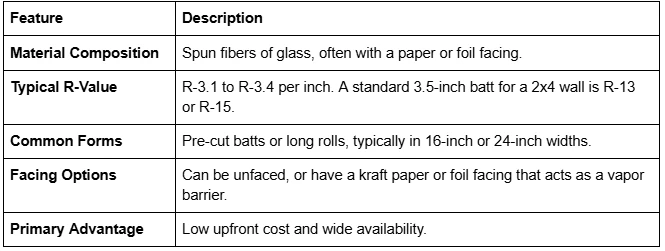
The Limitations and Downsides of Fiberglass Batts
While fiberglass batts are a popular and affordable option, they have some significant limitations that are important for homeowners to understand. The performance of this material is extremely sensitive to the quality of the installation.
It Is Not an Air Barrier
This is the most critical limitation of fiberglass insulation. The material is designed to slow the transfer of heat through conduction, but it does very little to stop the movement of air. Air can easily pass through the fiberglass itself and, more importantly, through the small gaps that are almost always left between the batt and the framing. This air leakage is a major source of energy loss and comfort problems in a home. For fiberglass batts to be effective, they must be paired with a separate, continuous air barrier, and the installation must be nearly perfect.
Vulnerability to Moisture
Fiberglass insulation is susceptible to moisture. If it gets wet from a roof or plumbing leak, it will compress, and the trapped air pockets will collapse, causing it to lose a significant amount of its R-value. A damp batt can also become a breeding ground for mold and mildew, which can lead to serious indoor air quality problems. Unlike a material like closed-cell spray foam, which is waterproof, a fiberglass batt that has been saturated with water often needs to be replaced. To manage this risk in humid climates like Kentucky's, it is critical to use a faced batt with a vapor barrier on exterior walls, ensuring the paper or foil facing is installed toward the warm interior side of the home to prevent condensation.
The Problem of Poor Installation
The "real-world" R-value of a fiberglass batt installation is often much lower than the R-value printed on the package. This is because, as professionals often find, it is very difficult to achieve a perfect installation in a real-world construction setting.
Common installation mistakes that degrade performance include:
- Compression: Jamming a batt that is too thick into a cavity will compress the fibers and reduce its R-value.
- Gaps and Voids: Leaving small gaps between the batt and the studs or around electrical boxes creates a pathway for heat to bypass the insulation entirely.
- Sagging: In underfloor applications, fiberglass batts are notorious for sagging and falling out of the joist cavities over time, leaving the floor completely uninsulated.
A study by the Oak Ridge National Laboratory found that even small gaps in an insulation job can lead to a disproportionately large reduction in its overall effectiveness.
Things to Consider Before Choosing Fiberglass
Fiberglass batts can be a good choice for some projects, but a homeowner should think through a few key points first.
- What is the primary goal? If the only goal is to meet the minimum code requirement for R-value at the lowest possible upfront cost, then fiberglass is a strong contender.
- Is air sealing a priority? If a homeowner is looking to create a truly airtight and high-performance home, then fiberglass alone is not the best solution. It must be part of a comprehensive air sealing strategy.
- What is the application? Fiberglass can perform well in a protected, dry wall cavity. It is a much poorer choice for a damp, challenging environment like a crawl space.
- Who is doing the installation? The performance of fiberglass is all about the quality of the labor. A homeowner should ensure they are hiring a meticulous and experienced contractor who knows how to install it correctly.
To help with your decision, here are answers to some common questions homeowners have.
Frequently Asked Questions
Is fiberglass insulation dangerous to have in my home?
When it is enclosed in a wall or ceiling, fiberglass insulation is perfectly safe. During installation, the small glass fibers can become airborne and can be an irritant to the skin, eyes, and respiratory system. This is why professional installers always wear proper personal protective equipment (PPE), including a mask, gloves, and long sleeves.
How long does fiberglass batt insulation last?
If it is installed correctly in a dry, protected cavity and is not disturbed, fiberglass insulation can last for many decades. However, its lifespan can be cut short by moisture, pests, or physical compression.
What is the difference between a faced and an unfaced batt?
A faced batt has a paper or foil layer attached to one side. This facing acts as a vapor barrier, which is important for controlling moisture in walls. Unfaced batts are just the raw insulation and are typically used for projects where a vapor barrier is not needed, such as between floors or in an attic where another layer of insulation is being added.
Can I just add a new layer of batts on top of my old attic insulation?
Yes, this is a common and effective way to improve an attic's R-value. A new layer of unfaced fiberglass batts can be laid perpendicular to the existing insulation to cover the tops of the ceiling joists and create a thick, continuous thermal barrier.
Is fiberglass batt insulation good for soundproofing?
Yes, it is quite effective at absorbing sound waves. Placing fiberglass batts in interior walls and between floors is a very common and cost-effective way to reduce noise transfer within a home.
A Standard Choice with Important Considerations
Fiberglass batt insulation remains a popular choice because it offers solid thermal performance for a very reasonable cost. When used in the right application and installed with care, it's a reliable product. Ultimately, making an informed decision comes down to weighing its benefits against its limitations for your specific home and budget.
Get a Professional Opinion on Your Insulation Needs
To determine if fiberglass batt insulation is the right choice for a specific project, the best first step is to get a professional assessment. An experienced insulation contractor can evaluate a home's needs and explain the pros and cons of the different material options. For homeowners in the Mayfield area, a team like Armored Insulation can provide a comprehensive consultation and a detailed estimate. To schedule an appointment, they can be reached by email at [email protected] or by phone at (270) 727-5566.
Author: Jared Baker, Owner and Director of Business at Armored Insulation, is a Mayfield native with deep local insight and strong business expertise. He plays a key role in upholding the company’s focus on delivering top-tier service.
Reviewer: Mia Clark used her 9 years of experience in spray foam to review this article and offered input focused on helping companies make their services easier to understand and market effectively.