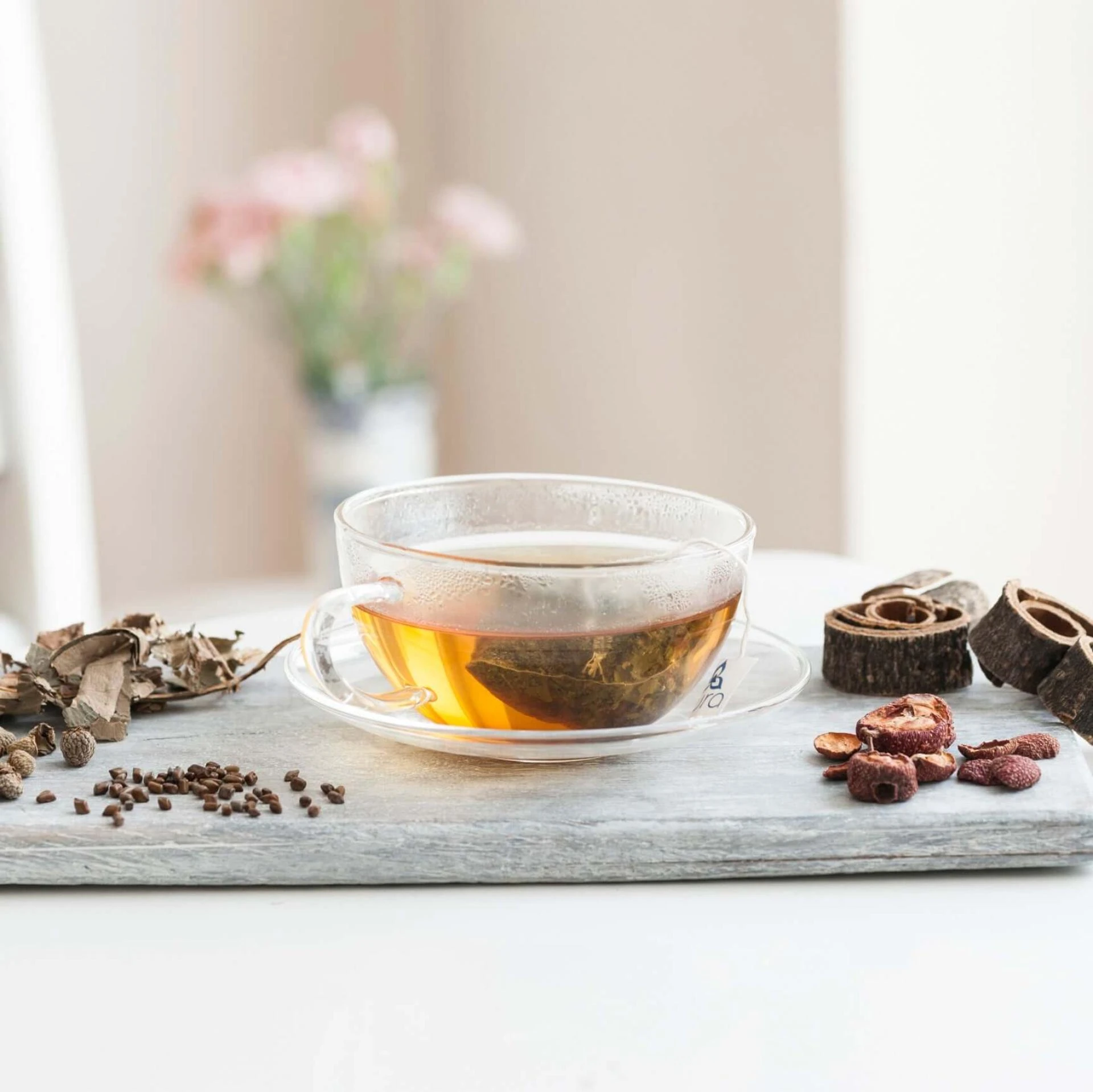
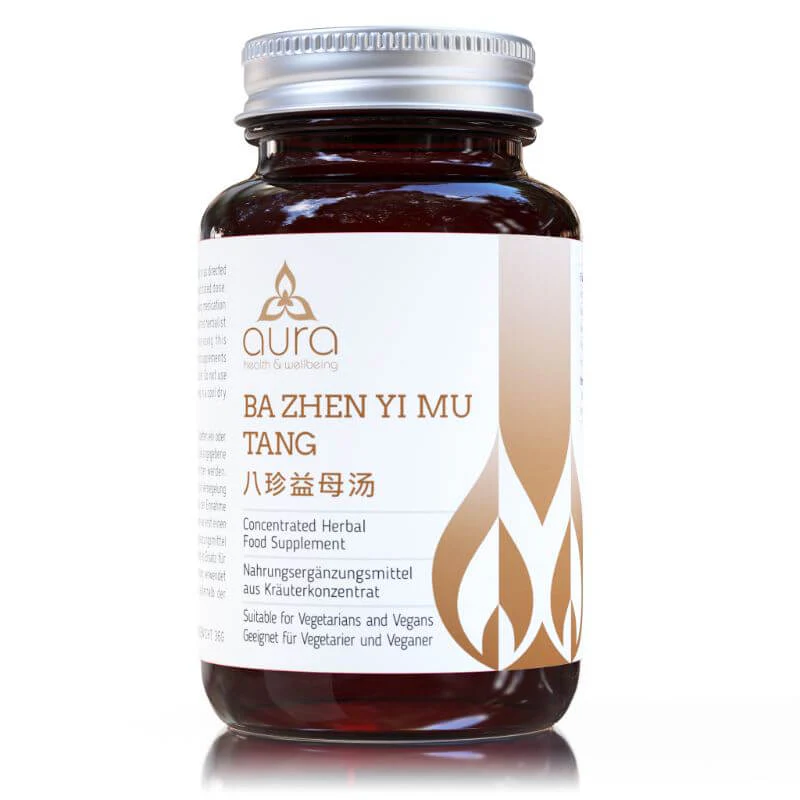
Fertility Wellness Supplements have gained popularity among individuals and couples trying to conceive. These supplements are designed to support reproductive health by providing essential nutrients, improving hormonal balance, and enhancing overall well-being. While they can be helpful, it is important to understand their role, benefits, and limitations.
What Are Fertility Wellness Supplements?
Fertility wellness supplements are dietary products that contain vitamins, minerals, antioxidants, and herbal ingredients aimed at improving fertility in both men and women. They are often used alongside a healthy lifestyle and medical guidance to support conception.
These supplements do not act as a guaranteed solution but help create a healthier internal environment for reproductive processes. Research suggests they may improve certain fertility-related factors, but results can vary from person to person.
Key Nutrients in Fertility Supplements
Most fertility supplements include a combination of essential nutrients known to support reproductive health:
· Folic Acid (Folate): Important for DNA synthesis and early fetal development
· Vitamin D: Linked to improved ovulation and fertility outcomes
· Omega-3 Fatty Acids: Support hormone balance and reduce inflammation
· Coenzyme Q10 (CoQ10): May improve egg quality and sperm health
· Zinc and Selenium: Essential for sperm production and overall fertility
· Iron: Supports ovulation and prevents anemia
These nutrients help regulate hormones, improve egg and sperm quality, and support overall reproductive function.
Benefits of Fertility Wellness Supplements
Fertility supplements can offer several potential benefits when used correctly:
· Improved Egg and Sperm Quality: Antioxidants help reduce oxidative stress
· Hormonal Balance: Supports regular ovulation and menstrual cycles
· Enhanced Reproductive Health: Provides essential nutrients often lacking in diet
· Support for Fertility Treatments: May improve outcomes in treatments like IVF
· Better Overall Wellness: Promotes general health, which is crucial for conception
Some supplements, such as antioxidants and micronutrients, are often recommended for both partners, as male factors contribute significantly to infertility cases.
Role in Specific Conditions
Certain fertility supplements may be helpful for specific health conditions:
· PCOS (Polycystic Ovary Syndrome): Ingredients like inositol and NAC may improve ovulation
· Low Egg Quality: CoQ10 may support mitochondrial function in eggs
· Male Infertility: Zinc, vitamin C, and L-carnitine can improve sperm health
However, these benefits depend on individual health conditions and should be guided by proper diagnosis.
Risks and Safety Considerations
While fertility supplements can be beneficial, they are not risk-free:
· Overuse of vitamins can lead to toxicity, especially fat-soluble vitamins like A, D, E, and K
· Some supplements may interact with medications or fertility treatments
· Unregulated products may contain harmful substances or incorrect ingredient labels
· Certain herbal supplements may even contain heavy metals if not properly tested
Because of these risks, expert consultation is strongly recommended before starting any supplement.
Tips for Choosing the Right Supplements
To use fertility supplements safely and effectively:
· Consult a doctor or fertility specialist before use
· Choose products with third-party testing and quality certification
· Avoid taking multiple supplements with overlapping ingredients
· Base your supplement choice on blood tests and nutritional deficiencies
· Start supplementation at least 2–3 months before trying to conceive
Personalized supplementation is far more effective than a one-size-fits-all approach.
Lifestyle Still Matters
It is important to remember that supplements alone cannot guarantee pregnancy. Healthy lifestyle choices play a crucial role, including:
· Balanced diet rich in nutrients
· Regular physical activity
· Stress management
· Avoiding smoking and excessive alcohol
Combining supplements with these habits can improve overall fertility outcomes.
Conclusion
Fertility wellness supplements can be a valuable addition to a preconception plan, offering nutritional support and improving reproductive health. However, they are not a replacement for medical treatment or a healthy lifestyle.