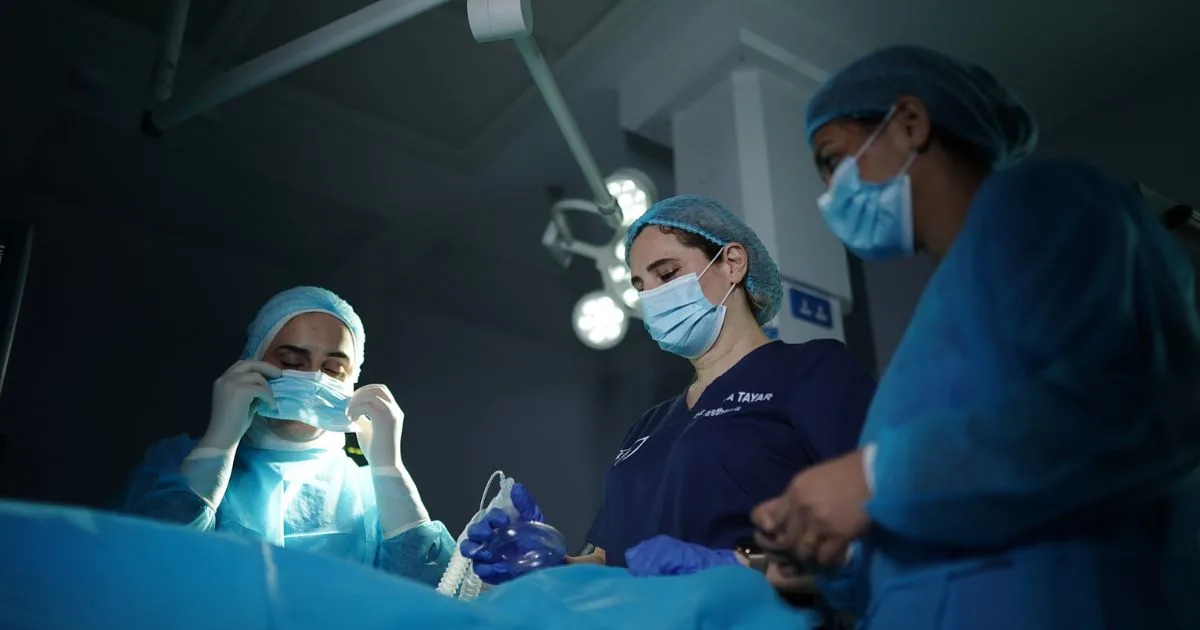
The United Arab Emirates has become one of the leading destinations for advanced fertility care in the Middle East. With modern medical facilities, internationally trained fertility specialists, and access to the latest reproductive technologies, the UAE attracts both local and international patients seeking help with conception.
Whether you are considering IVF, fertility preservation, or other assisted reproductive treatments, understanding the available options can help you make informed decisions about your fertility journey.
Why More Couples Choose Fertility Treatment in the UAE
Over the past decade, the UAE has invested heavily in healthcare infrastructure. Fertility clinics in Dubai and Abu Dhabi now offer many of the same technologies and treatment protocols available in Europe, North America, and other established medical destinations.
Patients benefit from:
- Advanced reproductive technologies
- Highly qualified fertility specialists
- Modern embryology laboratories
- Short waiting times
- Multilingual healthcare teams
- Strict healthcare regulations
These factors have contributed to the UAE's growing reputation as a regional hub for fertility treatment.
Common Fertility Treatments Available
Modern fertility clinics in the UAE offer a wide range of assisted reproductive procedures designed to address different causes of infertility.
In Vitro Fertilization (IVF)
IVF remains one of the most widely used fertility treatments. The process involves retrieving eggs from the ovaries, fertilizing them in a laboratory, and transferring healthy embryos into the uterus.
IVF may be recommended for:
- Blocked fallopian tubes
- Unexplained infertility
- Endometriosis
- Ovulation disorders
- Male factor infertility
Intracytoplasmic Sperm Injection (ICSI)
ICSI is commonly used when male fertility issues are present. During the procedure, a single sperm is injected directly into an egg to improve fertilization chances.
Intrauterine Insemination (IUI)
IUI is a less invasive treatment option often recommended for mild fertility challenges. Prepared sperm is placed directly into the uterus during ovulation.
Frozen Embryo Transfer (FET)
Embryos created during a previous IVF cycle can be frozen and transferred at a later date, offering flexibility and additional pregnancy opportunities.
Fertility Preservation
Egg freezing and embryo freezing have become increasingly popular among individuals who wish to preserve fertility for future family planning or before undergoing medical treatments that may affect reproductive health.
Understanding the IVF Process
For many couples, IVF is the primary treatment pathway. The process generally includes several stages:
Initial Assessment
Both partners undergo fertility testing, including blood work, ultrasound examinations, and semen analysis.
Ovarian Stimulation
Hormonal medications stimulate the ovaries to produce multiple eggs during a treatment cycle.
Egg Collection
Mature eggs are retrieved using a minimally invasive procedure performed under sedation.
Fertilization
The eggs are fertilized in a laboratory using either conventional IVF or ICSI techniques.
Embryo Development
Embryologists monitor embryo growth and select the healthiest embryos for transfer.
Embryo Transfer
Selected embryos are transferred into the uterus, typically without the need for anesthesia.
Pregnancy Testing
A blood pregnancy test is usually performed approximately two weeks after embryo transfer.
Choosing the Right Fertility Clinic
Selecting a fertility clinic is one of the most important decisions during treatment. Couples should evaluate several factors before making a choice.
Specialist Experience
Look for fertility specialists with extensive experience in reproductive medicine and assisted reproductive technologies.
Laboratory Standards
A high-quality embryology laboratory can significantly influence treatment outcomes.
Treatment Transparency
Reputable clinics provide clear information regarding treatment plans, success rates, and costs.
Patient Support
Emotional support, counseling services, and dedicated patient coordinators can improve the overall treatment experience.
Technology and Services
Modern clinics often offer advanced options such as genetic testing, embryo freezing, and fertility preservation programs.
Cost of Fertility Treatment in the UAE
Treatment costs vary depending on the procedure, medications required, and any additional services included in the treatment plan.
Typical expenses may include:
- IVF treatment cycles
- Fertility medications
- Genetic testing
- Embryo freezing and storage
- Follow-up consultations
Patients should request a detailed written estimate before beginning treatment to understand all associated costs.
Why International Patients Consider the UAE
Medical tourism continues to grow throughout the UAE, particularly in fertility care.
Key advantages include:
- Easy international access through major airports
- High clinical standards
- Multilingual medical teams
- Modern healthcare facilities
- Short treatment waiting times
These benefits make the UAE an attractive option for patients traveling from neighboring countries, Europe, Asia, and Africa.
Final Thoughts
Fertility treatment has helped millions of couples worldwide achieve their dream of parenthood. The UAE continues to strengthen its position as a leading destination for reproductive healthcare by combining advanced technology, experienced specialists, and patient-focused care.
For those researching fertility options, educational resources and specialist consultations can provide valuable guidance. Couples interested in learning more about fertility care and treatment pathways can explore resources available through Best Life Fertility.
Frequently Asked Questions
1. What is the most common fertility treatment available in the UAE?
IVF (In Vitro Fertilization) is one of the most commonly performed fertility treatments in the UAE. It is often recommended for couples experiencing unexplained infertility, blocked fallopian tubes, male factor infertility, or age-related fertility challenges.
2. How successful is IVF treatment in the UAE?
Success rates vary depending on factors such as age, fertility diagnosis, and embryo quality. Women under 35 generally experience the highest success rates, while outcomes may differ for older patients or those with complex fertility conditions.
3. How long does a typical IVF cycle take?
A standard IVF cycle usually takes between four and six weeks from the initial consultation to pregnancy testing. The timeline may vary depending on the treatment protocol and individual medical requirements.
4. Can international patients receive fertility treatment in the UAE?
Yes. The UAE is a popular destination for medical tourism and welcomes international fertility patients. Many clinics provide multilingual support, virtual consultations, and assistance with travel planning.
5. How can I choose the right fertility clinic in the UAE?
When selecting a fertility clinic, consider factors such as specialist experience, laboratory quality, treatment options, patient reviews, transparency of costs, and the availability of support services. Researching trusted fertility resources can help patients make informed decisions before starting treatment.