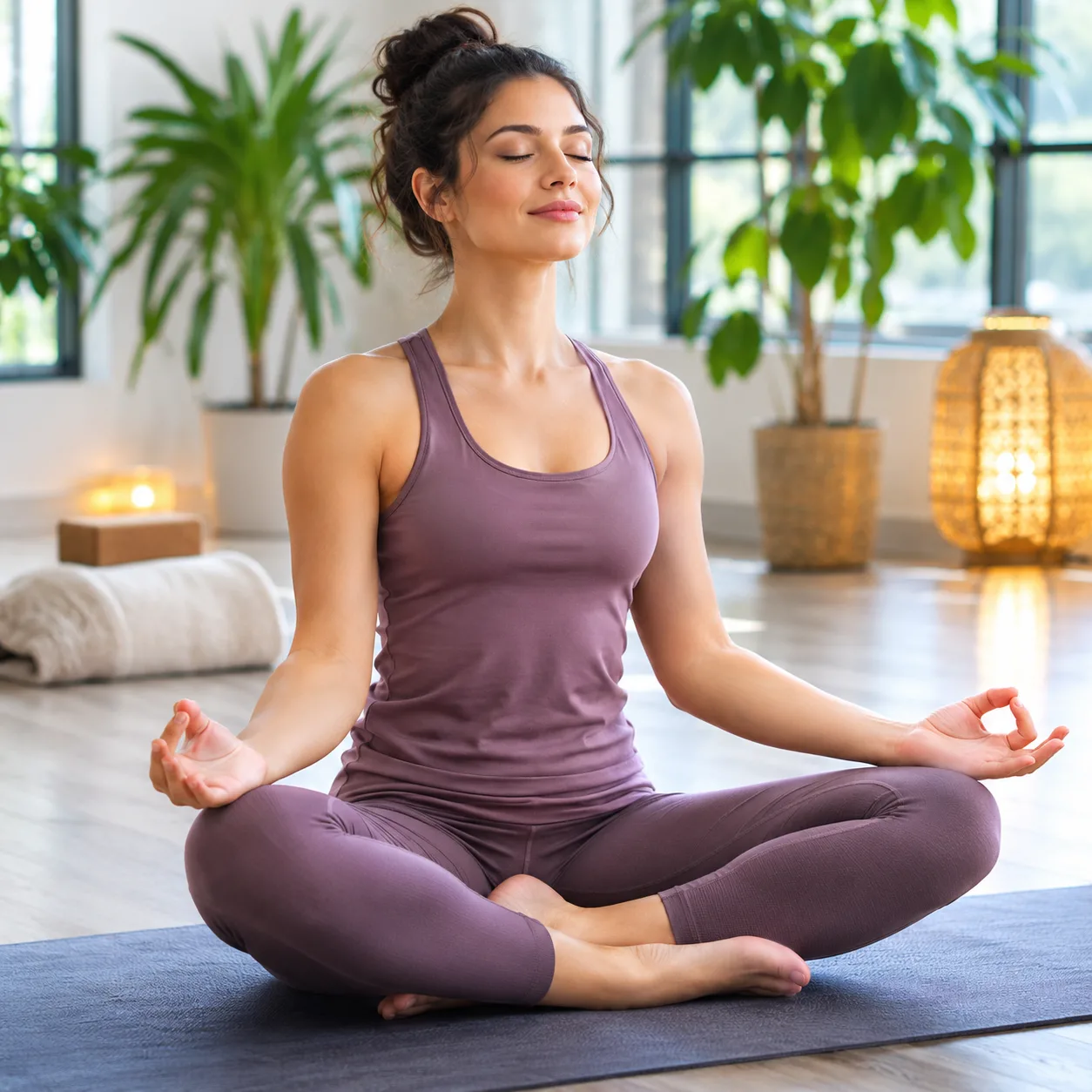
Life can feel stressful sometimes. Work, family responsibilities, personal challenges, and daily problems can make it hard to relax. Many people spend their days feeling worried, tired, or mentally overwhelmed. Even when everything seems fine, the mind may continue to race. Finding a healthy way to manage these feelings is important for both mental and physical well-being.
Yoga is one approach that can help people slow down, reconnect with their bodies, and find moments of peace. It combines gentle movements, breathing exercises, and relaxation techniques. These practices can help people become more aware of their thoughts and feelings while building a calmer daily routine.
Exploring yoga for anxiety fort worth can be a helpful step for people who want to add more balance, relaxation, and mindfulness to their lives.
Understanding Stress and Anxiety in Everyday Life
Stress is a natural response to difficult situations. It can happen before an important meeting, during a busy workday, or when dealing with personal problems. However, when stress continues for a long time, it can affect sleep, energy, focus, and mood.
Anxiety can also make everyday activities feel harder. A person may worry about things that have not happened yet or find it difficult to relax, even during quiet moments.
Some common signs of stress and anxiety include:
- Feeling worried or nervous throughout the day.
- Having trouble falling asleep or staying asleep.
- Experiencing muscle tightness in the neck, shoulders, or back.
- Finding it difficult to focus on simple tasks.
- Feeling tired even after getting enough rest.
- Having a racing mind or difficulty sitting still.
Recognizing these signs is an important first step. Instead of ignoring them, people can explore healthy habits that support relaxation and emotional well-being.
How Yoga Can Help Calm Your Mind
Yoga is more than a physical workout. It gives people time to slow down and pay attention to their breathing, movement, and thoughts.
When life becomes busy, many people forget to take care of themselves. Yoga creates a quiet space where they can focus on the present moment. Gentle movements and slow breathing may help reduce physical tension and support a greater sense of calm.
Here are some ways yoga can support stress management:
- Encourages deep breathing: Slow breathing can help the body move toward a more relaxed state.
- Improves body awareness: Yoga helps people notice where they hold tension in their bodies.
- Supports better sleep: Relaxation practices may make it easier to prepare for restful sleep.
- Promotes mindfulness: Focusing on the present moment can help reduce attention to everyday worries.
- Builds flexibility: Gentle movements can improve flexibility and support comfortable movement.
- Creates personal time: A regular yoga routine gives people time to focus on their own needs.
The best part is that yoga can be adjusted to different fitness levels. Beginners do not need to perform difficult poses. Simple movements and comfortable breathing exercises can be a good place to start.
Simple Yoga Practices to Try for Relaxation
You do not need to spend hours practicing yoga to enjoy its benefits. Even a short session can give you a chance to slow down and reconnect with yourself.
Some beginner-friendly practices include:
1. Child's Pose
This gentle position allows the body to rest while encouraging slow breathing. It can help release tension in the back and shoulders.
2. Mountain Pose
Stand comfortably with your feet on the floor. Keep your shoulders relaxed and breathe slowly. This simple pose encourages balance and body awareness.
3. Cat-Cow Stretch
Move gently between arching and rounding your back. This movement helps improve spinal mobility and encourages you to connect breathing with movement.
4. Seated Breathing
Sit in a comfortable position and take slow, steady breaths. Pay attention to how your body feels without trying to change every thought that comes into your mind.
5. Gentle Forward Fold
Slowly bend forward while keeping your knees slightly bent if needed. Avoid forcing the movement. This pose can help release tension and encourage relaxation. Start slowly and choose movements that feel comfortable. If a pose causes pain, stop and ask a qualified instructor for guidance.
The Connection Between the Mind and Body
Our minds and bodies are closely connected. When someone feels worried or stressed, the body may respond with tight muscles, shallow breathing, or a faster heartbeat. These physical reactions can sometimes make emotional stress feel even stronger.
This is why mind-body practices are becoming an important part of many wellness routines. Paying attention to physical feelings can help people understand how stress affects them. For example, someone may notice that their shoulders become tight during a difficult conversation or that their breathing changes when they feel nervous.
Learning to recognize these patterns can help people respond with more care instead of ignoring what their bodies are telling them.
What Is Somatic Coaching and How Can It Support Emotional Wellness?
Somatic coaching focuses on the connection between physical sensations, emotions, and personal experiences. The word "somatic" relates to the body. This approach encourages people to notice what they feel physically and explore how those sensations may connect with their emotional experiences.
Unlike approaches that focus only on thoughts, somatic practices also pay attention to body awareness, breathing, movement, and relaxation. People exploring somatic coaching fort worth may be interested in developing a better understanding of their stress responses and building healthier ways to manage everyday challenges.
Some areas that somatic coaching may explore include:
- Body awareness: Learning to notice physical sensations and tension.
- Emotional awareness: Understanding how feelings may show up in the body.
- Breathing techniques: Practicing steady breathing during stressful moments.
- Personal boundaries: Becoming more aware of personal needs and comfort levels.
- Self-connection: Developing a stronger understanding of personal experiences.
- Relaxation skills: Exploring gentle techniques that encourage a sense of safety and calm.
Somatic coaching is not a replacement for medical care or mental health treatment. However, it may be a useful wellness approach for people who want to explore their mind-body connection.
Easy Ways to Bring More Peace Into Your Daily Routine
You do not need to make major lifestyle changes to start feeling more balanced. Small, healthy habits can make a meaningful difference when practiced regularly.
Try adding these simple activities to your day:
- Start your morning slowly: Spend five minutes stretching or breathing before checking your phone.
- Take short breaks: Step away from work and give your mind time to rest.
- Enjoy outdoor time: A short walk can help you feel refreshed.
- Reduce screen time: Take breaks from social media and unnecessary notifications.
- Practice gratitude: Write down two or three things you appreciate each day.
- Create a bedtime routine: Choose calming activities before going to sleep.
- Listen to your body: Notice when you feel tired and give yourself time to recover.
These habits may seem small, but they can help create a more supportive daily routine.
Why Professional Guidance Can Make a Difference
Starting a new wellness practice can feel confusing, especially if you have never tried yoga or body-based relaxation techniques before.
Working with a trained professional can help you understand which movements and practices may suit your needs. An experienced instructor can guide you through beginner-friendly exercises, explain proper techniques, and help you avoid movements that cause discomfort.
Before choosing a wellness program, consider the following:
- Check the instructor's training and experience.
- Ask whether beginner-friendly sessions are available.
- Explain any physical limitations before starting.
- Choose a comfortable environment where you feel supported.
- Ask about the goals and structure of each session.
- Start with a manageable schedule instead of pushing yourself too hard.
Remember that everyone's experience is different. Give yourself time to learn and find the practices that feel right.
Take the First Step Toward a More Balanced Life
Managing stress is not about making every problem disappear. It is about learning healthier ways to respond to life's challenges. Yoga, mindful breathing, and body awareness can become useful parts of a balanced wellness routine.
You do not have to be flexible, experienced, or perfect to begin. Start with a few minutes of gentle movement, take a deep breath, and give yourself permission to slow down.
Finding peace is a personal journey. With patience, regular practice, and the right guidance, you can build habits that support a calmer mind, a more relaxed body, and a healthier relationship with yourself. Your well-being deserves attention. Sometimes, the most meaningful change begins with one small step toward taking better care of yourself.