In today’s fast-paced world, stress, anxiety, and fatigue have become constant companions. But what if we told you that a simple breathing technique could recharge your body, calm your mind, and restore your energy in just a few minutes? Welcome to the world of pranayama—an ancient yogic practice that uses breath control to improve physical and mental well-being.
Whether you're looking to boost energy, reduce stress, or improve overall health, understanding the 7 types of pranayama can be life-changing. In this article, we’ll explore different pranayama and its types, their benefits, and how you can incorporate them into your daily routine.
What Is Pranayama? Understanding the Power of Breath
Before diving into the classification of pranayama, let’s first understand what it means.
The word pranayama comes from Sanskrit:
- "Prana" means life force or vital energy.
- "Ayama" means expansion or control.
So, pranayama refers to the practice of controlling and extending the breath to improve mental clarity, physical health, and spiritual well-being.
Practiced for centuries by yogis, pranayama techniques are now backed by modern science for their stress-relieving, detoxifying, and healing benefits.
How Many Types of Pranayama Are There?
There are various types of pranayama, but traditionally, yoga classifies them into seven main types:
1. Nadi Shodhana Pranayama (Alternate Nostril Breathing)
- Purifies the nervous system and balances the body's energy.
- Reduces stress and anxiety while improving focus.
2. Bhastrika Pranayama (Bellows Breath)
- Increases oxygen supply, boosts energy, and improves lung function.
- Ideal for combating fatigue and sluggishness.
3. Kapalbhati Pranayama (Skull Shining Breath)
- Detoxifies the lungs and cleanses the respiratory system.
- Helps in weight loss and improves digestion.
4. Ujjayi Pranayama (Ocean Breath)
- Calms the nervous system and enhances concentration.
- Often used in yoga practices for better endurance.
5. Bhramari Pranayama (Bee Breath)
- Reduces anger, frustration, and anxiety.
- Produces a soothing vibration in the head, helping with insomnia.
6. Sheetali Pranayama (Cooling Breath)
- Helps reduce body heat and is beneficial during summer.
- Calms the mind and emotions.
7. Surya Bhedana Pranayama (Right Nostril Breathing)
- Activates the sympathetic nervous system, increasing energy and alertness.
- Suryabhedan pranayam is great for combating lethargy.
Pranayama for Specific Health Conditions
Wondering which pranayama is best for your health needs? Let’s break it down!
1. Pranayama for Thyroid Health
If you have thyroid issues, breathing exercises like Ujjayi Pranayama and Bhramari Pranayama help regulate thyroid function and reduce symptoms of hypothyroidism.
2. Pranayama for High Blood Pressure (BP)
- Which pranayam is good for high BP?Anulom Vilom (Alternate Nostril Breathing) and Sheetali Pranayama are highly effective in reducing hypertension.
- Best pranayam for high BP includes:
- Bhramari Pranayama – Instantly calms the nervous system.
- Nadi Shodhana – Balances blood pressure levels.
3. Can Yoga Lower Blood Pressure?
Yes! Studies show that practicing pranayama for high blood pressure helps manage hypertension by improving circulation and reducing stress. Specific asanas for high BP like Vajrasana, Sukhasana, and Shavasana also help in lowering BP naturally.
How to Practice Pranayama: Step-by-Step Guide
Whether you're a beginner or an advanced practitioner, following these steps will help you perform pranayama effectively:
Step 1: Find a Quiet Space
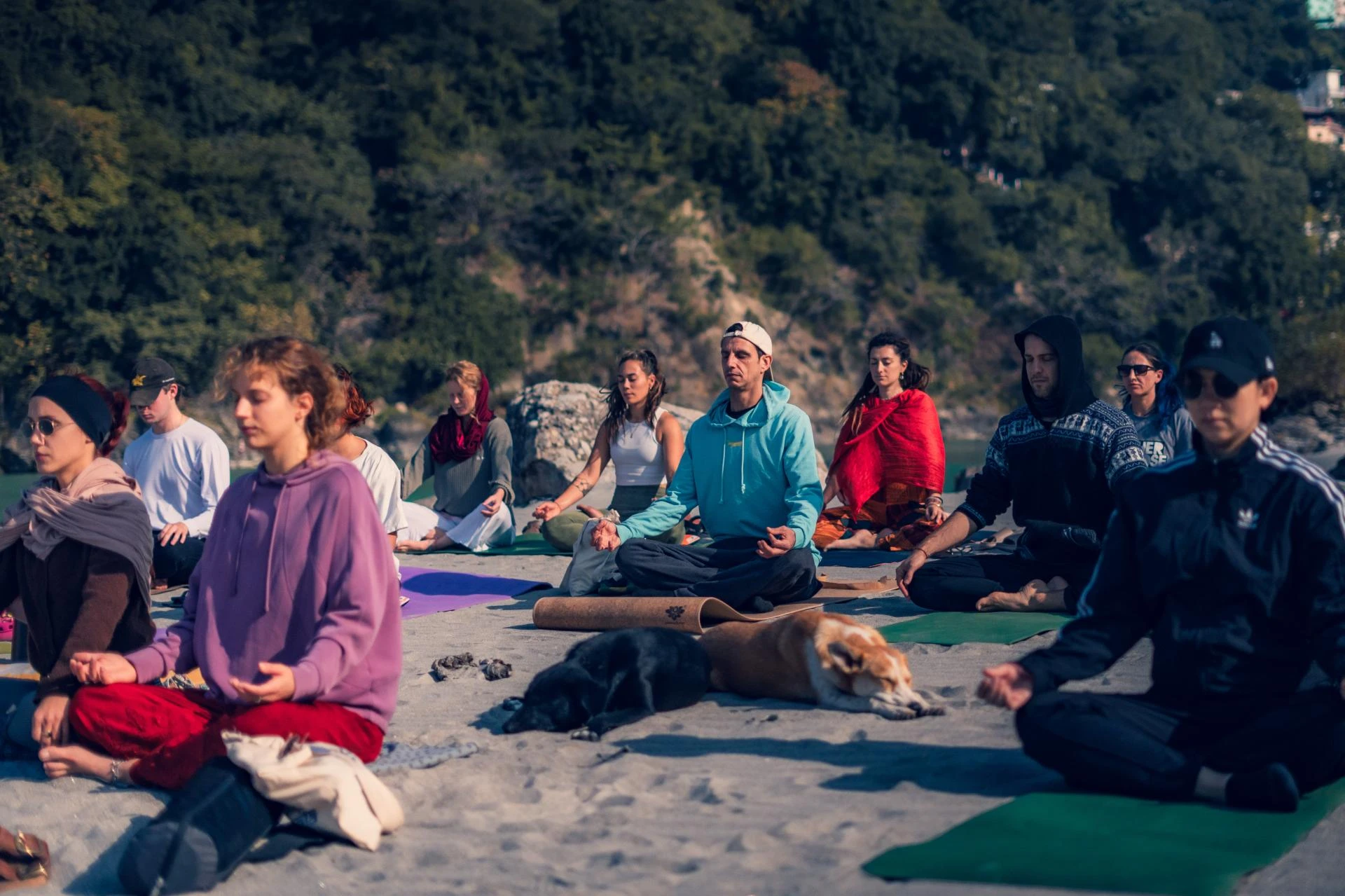
- Sit comfortably in a cross-legged position or on a yoga mat.
Step 2: Focus on Your Breath
- Close your eyes, relax your shoulders, and inhale deeply.
Step 3: Choose the Right Technique
- If you need energy, try Bhastrika Pranayama.
- If you need relaxation, go for Bhramari Pranayama.
Step 4: Maintain Awareness
- Stay mindful of your breath and let go of distractions.
Step 5: Repeat Daily
- For best results, practice pranayama for 10-15 minutes daily.
Pranayam Quotes for Daily Inspiration
Feeling uninspired? Here are some pranayam quotes to keep you motivated:
🌿 "When you own your breath, nobody can steal your peace."
🌿 "The way you breathe is the way you live."
🌿 "Deep breaths are like little love notes to your body."
Common Mistakes to Avoid While Practicing Pranayama
🚫 Holding the breath for too long – Can cause dizziness.
🚫 Practicing on a full stomach – Always practice on an empty stomach.
🚫 Incorrect posture – Keep your spine straight for effective breath control.
🚫 Skipping warm-up exercises – Always prepare your body before pranayama.
🚫 Rotating the pranayama mattress – Do not rotate pranayama mattress, as it affects the grounding energy.
Learn Pranayama from Experts at the Best Yoga School in Rishikesh
Want to master pranayama under expert guidance? Join Gurukul Yogashala, the Best Yoga School in Rishikesh, where you’ll:
✔ Learn from certified yoga teachers.
✔ Get trained in Pre-Natal Yoga Teacher Training in Rishikesh.
✔ Enroll in 200 Hour Yoga Teacher Training in Rishikesh for an in-depth experience.
FAQs About Pranayama
1. What do you mean by pranayam?
Pranayam is a Sanskrit term meaning "control of breath", used in yoga to regulate energy flow and improve health.
2. What is the meaning of pranayam?
The meaning of pranayama is the expansion of life force energy through controlled breathing techniques.
3. Which pranayam is good for the heart?
- Anulom Vilom – Enhances heart health and balances blood pressure.
- Bhastrika – Boosts oxygen supply, improving cardiovascular function.
4. Can we do pranayam during periods?
Yes, but avoid intense breathing exercises like Bhastrika or Kapalbhati. Gentle pranayama like Nadi Shodhana is safe.
Final Thoughts: Breathe Your Way to Better Health
Pranayama isn’t just a breathing exercise; it’s a life-changing practice that improves physical, mental, and emotional well-being. Whether you're dealing with stress, thyroid issues, or high blood pressure, incorporating these types of pranayama into your daily routine will transform your health.
So, why wait? Start your pranayama journey today and experience the power of breath!