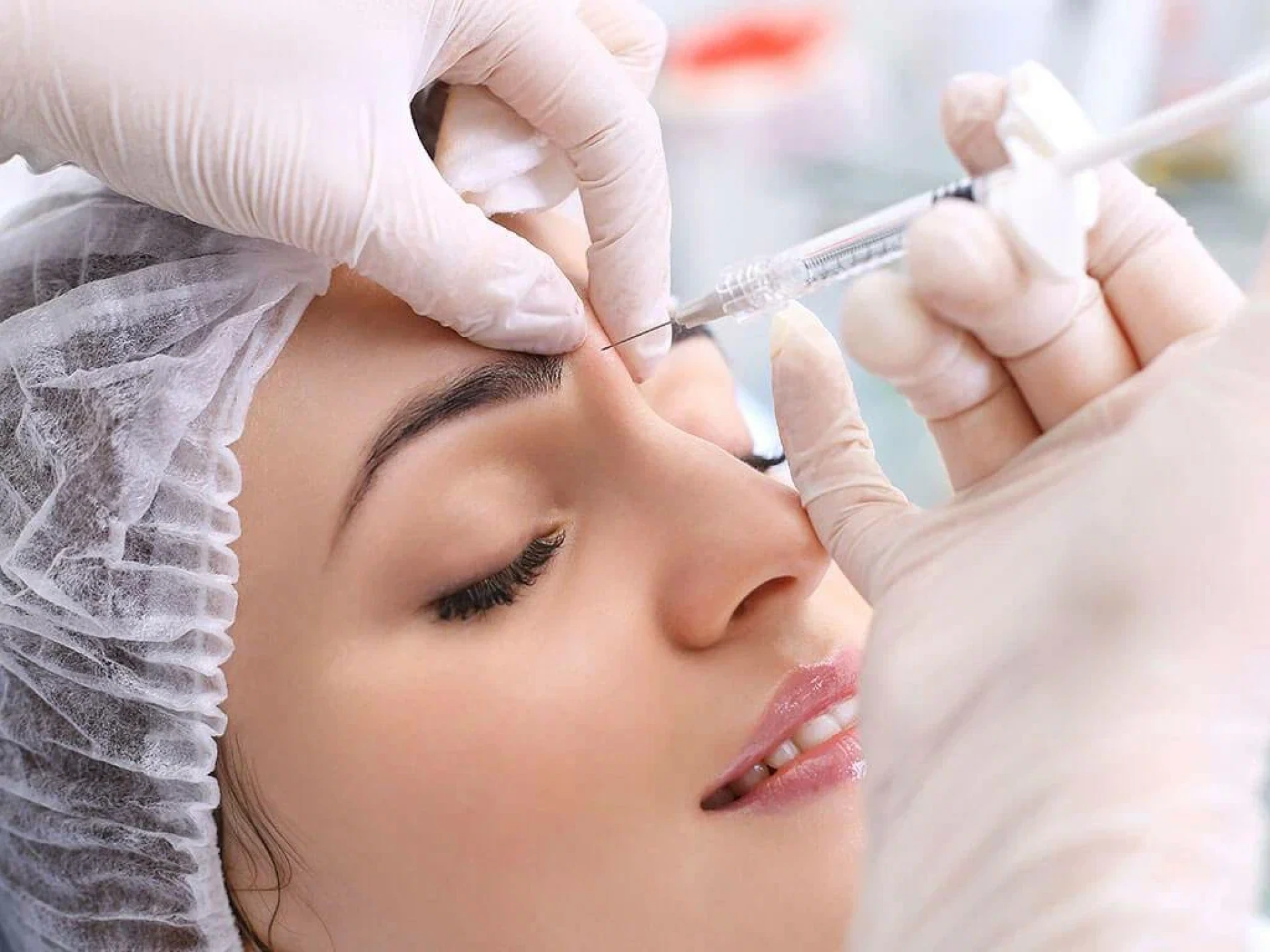
The demand for cosmetic procedures like Botox in Islamabad has surged over the past few years. With more people seeking minimally invasive treatments for wrinkles, fine lines, and medical conditions, Botox has become a mainstream solution in Pakistan’s urban centers, especially in Islamabad. But as popularity grows, so does the importance of understanding regulatory frameworks like the FDA guidelines, which play a crucial role in ensuring public safety and treatment effectiveness.
While the U.S. Food and Drug Administration (FDA) provides the gold standard for drug approval and cosmetic procedure regulation globally, many countries, including Pakistan, often follow its precedents or establish local equivalents. In this article, we’ll explore how FDA guidelines influence Botox usage in Pakistan, what local regulations say, and how it affects patients seeking Botox in Islamabad.
What is Botox and How is it Regulated?
Botox, short for Botulinum Toxin, is a neurotoxic protein that temporarily relaxes muscles when injected in small doses. It’s commonly used for:
- Reducing wrinkles and fine lines
- Treating excessive sweating (hyperhidrosis)
- Managing chronic migraines
- Relaxing jaw muscles for TMJ or teeth grinding
In the United States, Botox is regulated and approved by the FDA for specific cosmetic and medical uses. Every formulation, usage area, and dosage guideline is based on extensive research and clinical trials to ensure patient safety.
Does the FDA Operate in Pakistan?
The FDA is a U.S.-based regulatory body and does not directly control drug approvals in Pakistan. However, its guidelines often influence policies in other countries, especially for internationally manufactured drugs like Botox, which are imported into Pakistan.
In Pakistan, the Drug Regulatory Authority of Pakistan (DRAP) is the local body responsible for approving and regulating the sale and use of all pharmaceutical and cosmetic injectables, including Botox. DRAP assesses products for safety, efficacy, and import legitimacy before allowing them into the local market.
Are FDA-Approved Botox Brands Available in Islamabad?
Yes, several FDA-approved Botox brands are available in Islamabad and other major Pakistani cities. The most common and trusted ones include:
- Botox® by Allergan (USA)
- Dysport® by Ipsen (UK)
- Xeomin® by Merz Pharma (Germany)
Clinics that import FDA-approved products offer an added layer of reassurance for clients who are concerned about quality and safety. It’s important for patients to confirm with their dermatologist or aesthetic doctor which brand is being used and whether it’s registered with DRAP.
Why FDA Guidelines Matter in Pakistan
Although DRAP oversees local regulation, FDA guidelines are often used as a benchmark for several reasons:
1. Global Trust and Reputation
The FDA is considered the most stringent drug regulatory body in the world. A product approved by the FDA is typically seen as safe and effective by other countries.
2. Safety Protocols
FDA guidelines ensure that Botox is manufactured under strict conditions, is appropriately diluted, and is tested for side effects and long-term efficacy.
3. Off-Label Use Awareness
The FDA only approves Botox for specific uses, but many practitioners also use it off-label (i.e., for uses not explicitly approved). Understanding FDA-approved indications helps practitioners make responsible decisions and inform their patients of risks.
Pakistani Guidelines for Botox Administration
DRAP issues permits to clinics, pharmacies, and importers for the sale and usage of Botox. Some key local guidelines include:
- Botox should only be administered by licensed dermatologists or medical professionals.
- All imported Botox must be registered with DRAP.
- Proper storage conditions (usually refrigerated between 2°C–8°C) must be maintained.
- Clinics must provide full disclosure to patients, including possible side effects and aftercare instructions.
While DRAP does not mirror FDA documentation verbatim, it often references it when creating safety and importation standards.
How Patients Can Verify Botox Safety in Islamabad
For patients considering Botox in Islamabad, knowing how to verify whether the treatment aligns with FDA or DRAP guidelines is crucial. Here’s a checklist:
- Ask for the Brand Name: Confirm that the Botox product is FDA-approved (e.g., Allergan).
- Check for Sealed Packaging: Ensure the vial is sealed and labeled clearly.
- Request Documentation: Reliable clinics provide product traceability and DRAP registration info on request.
- Qualified Practitioner: Choose a clinic with licensed dermatologists or aesthetic medicine professionals.
- Observe Storage Conditions: Botox must be stored in a medical-grade refrigerator—don’t hesitate to ask about it.
What FDA Guidelines Say About Botox Dosage and Frequency
The FDA has approved Botox for:
- Glabellar lines (frown lines) – 20 units
- Crow’s feet (sides of eyes) – 24 units
- Forehead lines – up to 20 units
These dosages vary based on individual facial anatomy and desired results. In Islamabad, skilled practitioners usually follow these international benchmarks for Botox dosage to ensure results that are effective and natural-looking.
Repeated treatments are safe if done 3–4 times per year, as per FDA clinical trials. Overuse or incorrect administration may result in muscle resistance or unintended facial expressions.
FDA Warnings and Side Effects: How Pakistan Handles Them
The FDA includes a "black box warning" on Botox, highlighting the rare but serious risk of the toxin spreading from the injection site to other body parts. While such cases are extremely rare, the warning ensures that both practitioners and patients remain vigilant.
In Pakistan, DRAP echoes these concerns by:
- Requiring practitioners to explain all possible side effects before administration
- Recommending a patch test or small initial dose for first-time users
- Monitoring adverse reactions through clinical follow-ups
Common side effects include:
- Mild bruising at the injection site
- Temporary drooping of eyelids or eyebrows
- Headache or flu-like symptoms
- Dry eyes or tearing
Patients are encouraged to report any unusual side effects immediately.
Comparing Legal Botox and Black Market Botox in Islamabad
Unfortunately, not all Botox offered in Pakistan is legally sourced. Black market versions can be:
- Counterfeit or diluted
- Unregistered with DRAP
- Unreliable in strength and efficacy
- Stored under improper conditions
These versions pose serious health risks. To avoid them:
- Always visit certified clinics
- Avoid overly cheap promotions or home-based injections
- Ask to see the Botox vial before injection
Aesthetic centers in Islamabad that follow FDA-aligned practices often display certifications and use only traceable, DRAP-approved products.
Training Requirements for Botox Administrators
The FDA insists that Botox only be administered by trained medical professionals. While Pakistan doesn’t yet have formal certification bodies equivalent to the FDA, reputable clinics in Islamabad ensure their staff undergo certified courses in:
- Facial anatomy
- Dosage management
- Injection techniques
- Emergency response for allergic reactions
Doctors and dermatologists who stay updated with international training standards (from the UK, US, or UAE) offer a safer and more satisfactory Botox experience.
The Role of Patient Education
The FDA promotes transparency in medical procedures, and patient education is central to its mission. Clinics in Islamabad that align with FDA guidelines often include:
- Pre-procedure consultations
- Consent forms
- Detailed aftercare instructions
- Follow-up appointments
Patients must also take responsibility for their treatment by asking the right questions and ensuring their clinic is transparent.
The Future of Botox Regulation in Pakistan
As cosmetic procedures become more common, Pakistan is expected to tighten its regulations. Possible future developments include:
- A local equivalent to the FDA with strict Botox oversight
- Practitioner licensing for injectables
- Patient record databases to track outcomes
- Public awareness campaigns on injectable safety
For now, following FDA guidelines—even unofficially—remains the best way for Pakistani clinics and patients to ensure safe Botox experiences.
Conclusion
While Pakistan has its own regulatory authority in DRAP, FDA guidelines provide a globally trusted framework that many clinics and patients in Islamabad rely on. Choosing Botox in Islamabad is no longer just about price or aesthetics—it’s about safety, professionalism, and results that meet international standards.
If you're considering Botox, ensure your provider uses FDA-approved products, follows proper safety protocols, and adheres to ethical practices. In a world where appearance and confidence go hand in hand, the best results always come from informed decisions and certified professionals.