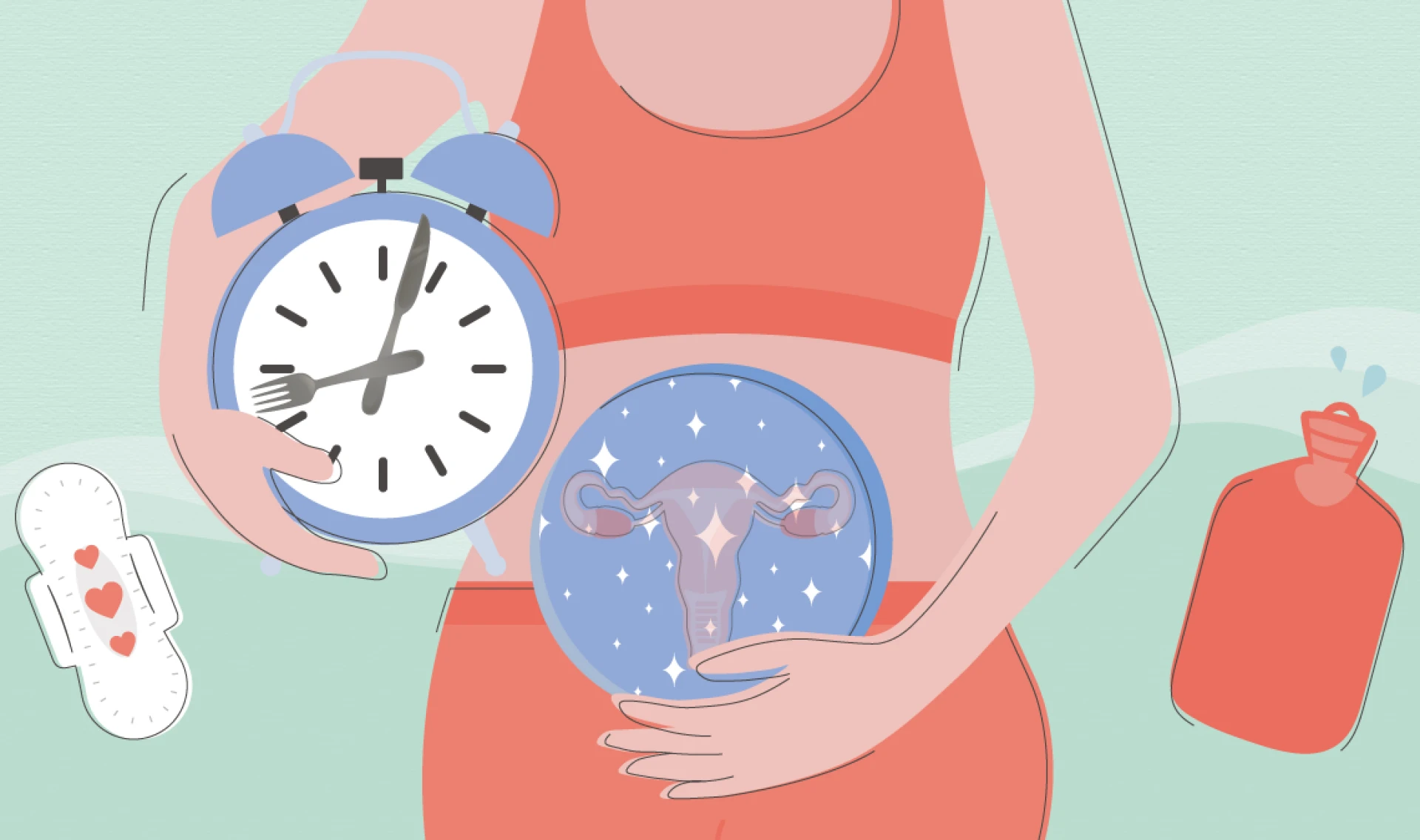
Fasting has been practiced for centuries for various reasons, including religious, spiritual, and health-related purposes. However, the question of whether women should fast during menstruation often arises due to concerns about its potential impact on health and well-being. In this article, we’ll look into fasting during periods, exploring its implications, considerations, and potential alternatives.
Understanding Menstruation and Fasting
Menstruation is a natural process in which the uterus sheds its lining, resulting in vaginal bleeding. For many women, menstruation is accompanied by physical discomfort, including cramps, bloating, fatigue, and mood changes. During this time, the body undergoes hormonal fluctuations, which may affect energy levels and overall well-being.
Fasting, on the other hand, involves abstaining from food and/or drink for a specified period, often for religious or spiritual reasons. While fasting can have various health benefits when practiced mindfully, it may also pose risks, particularly for individuals with specific health conditions or nutritional needs.
Considerations for Fasting During Menstruation
- Nutritional Needs: During menstruation, women may experience increased nutritional requirements, particularly for iron and other essential nutrients lost through menstrual bleeding. Fasting may exacerbate these deficiencies, potentially leading to fatigue, weakness, and other health issues.
- Hydration: Staying hydrated is crucial during menstruation to help alleviate symptoms such as bloating and fatigue. Fasting, especially if it involves abstaining from fluids, can lead to dehydration, which may worsen menstrual discomfort and affect overall health.
- Energy Levels: Many women experience fluctuations in energy levels during menstruation, with some feeling more fatigued than usual. Fasting may further deplete energy reserves, making it challenging to cope with the demands of daily life and potentially exacerbating feelings of tiredness and lethargy.
- Hormonal Balance: Hormonal changes during menstruation can affect mood, appetite, and energy levels. Fasting may disrupt hormonal balance, leading to mood swings, irritability, and other emotional symptoms commonly associated with PMS (premenstrual syndrome).
Alternatives to Fasting During Menstruation
Rather than fasting during menstruation, women may consider alternative practices that promote health and well-being while respecting their body’s needs:
- Mindful Eating: Instead of fasting, focus on consuming nourishing foods that support overall health and vitality. Opt for nutrient-rich foods such as fruits, vegetables, whole grains, lean proteins, and healthy fats to support energy levels and hormonal balance. Here’s a guide for what you should eat during your period..... know more