Introduction
Knee replacement surgery is one of the most effective treatments for severe knee pain and mobility problems caused by arthritis, joint degeneration, or injury. However, surgery alone is not enough for successful healing. Proper rehabilitation and post-operative care play a major role in improving mobility, reducing pain, and helping patients return to normal life.
Many patients are concerned about how long healing will take and whether they will regain comfortable walking ability after surgery. Modern orthopedic advancements, robotic-assisted procedures, and personalized physiotherapy programs have significantly improved Recovery After Knee Replacement, allowing many individuals to recover faster and more safely.
Today, structured rehabilitation programs focus on restoring flexibility, strengthening muscles, improving balance, and helping patients regain confidence in movement. Patients who consult the Best robotic knee replacement surgeon in Delhi NCR often receive customized rehabilitation plans designed for smoother recovery and long-term joint health.
This blog explains how proper rehabilitation supports faster Recovery After Knee Replacement and what patients can do to improve healing outcomes.
Understanding Knee Replacement Surgery
Knee replacement surgery is a procedure in which damaged portions of the knee joint are replaced with artificial implants designed to restore movement and reduce chronic pain.
The procedure is commonly recommended for patients suffering from:
- Osteoarthritis
- Rheumatoid arthritis
- Sports injuries
- Joint degeneration
- Severe knee stiffness
- Limited mobility
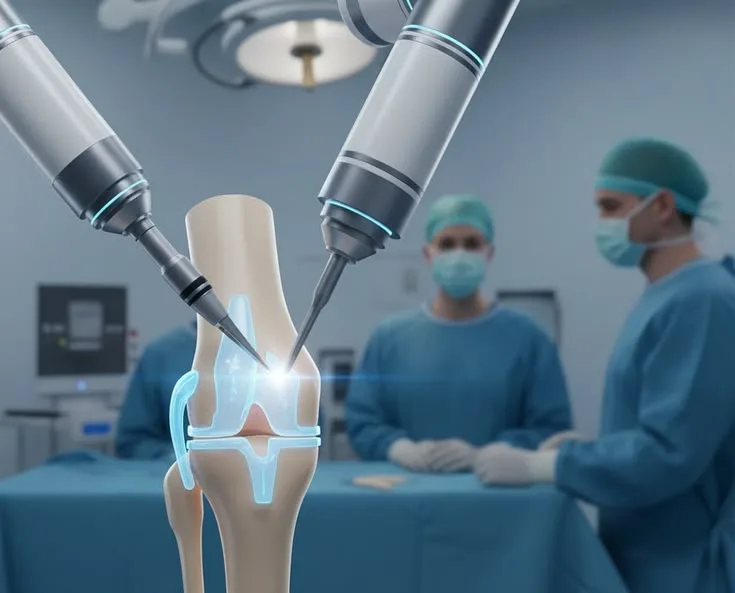
Modern robotic-assisted techniques improve implant positioning and surgical precision, which may help improve Recovery After Knee Replacement and long-term mobility outcomes.
Patients treated by the Best robotic knee replacement surgeon in Delhi NCR often benefit from advanced surgical technology and structured rehabilitation programs.
Why Rehabilitation Is Important After Surgery
Rehabilitation is one of the most important factors in successful Recovery After Knee Replacement. Without proper physiotherapy and guided exercises, patients may experience stiffness, weakness, or reduced mobility.
Goals of Rehabilitation
The main goals include:
- Restoring knee flexibility
- Strengthening surrounding muscles
- Improving balance and coordination
- Reducing pain and swelling
- Improving walking ability
Rehabilitation helps patients gradually regain independence and confidence in daily activities.
Immediate Recovery After Surgery
The first few days after surgery are critical for healing and mobility improvement.
Early Walking
Patients are usually encouraged to stand and walk with support within 24–48 hours after surgery.
Pain Management
Doctors provide medications and modern pain management techniques to improve comfort during healing.
Swelling Control
Ice therapy, leg elevation, and medications help reduce swelling.
Medical Monitoring
Healthcare teams monitor wound healing, circulation, and mobility progress.
Early movement is an important part of Recovery After Knee Replacement because it improves blood circulation and reduces the risk of complications.
Stages of Rehabilitation After Knee Replacement
Stage 1: Early Mobility Exercises
Gentle exercises begin soon after surgery to improve circulation and reduce stiffness.
Stage 2: Strength Building
Physiotherapy focuses on strengthening muscles around the knee for better support.
Stage 3: Walking and Balance Training
Patients gradually improve walking ability and coordination through guided exercises.
Stage 4: Long-Term Functional Recovery
Low-impact activities and regular exercises help maintain flexibility and mobility over time.
Proper rehabilitation is essential for faster Recovery After Knee Replacement and improved long-term results.
Physiotherapy Exercises That Support Recovery
Physiotherapy exercises are carefully designed to improve movement and muscle strength.
Knee Bending Exercises
These exercises improve flexibility and range of motion.
Leg Raises
Leg strengthening exercises help support the artificial joint.
Walking Practice
Walking gradually improves balance and mobility.
Stair Training
Patients learn safe techniques for climbing stairs after surgery.
Patients guided by the Best robotic knee replacement surgeon in Delhi NCR often receive customized physiotherapy programs based on their recovery progress.
Benefits of Proper Rehabilitation
Faster Healing
Regular movement improves blood circulation and healing.
Better Mobility
Patients regain flexibility and walking confidence more quickly.
Reduced Joint Stiffness
Physiotherapy prevents excessive stiffness after surgery.
Improved Muscle Strength
Strong muscles provide better support for the artificial joint.
Better Long-Term Outcomes
Consistent rehabilitation improves overall Recovery After Knee Replacement and implant performance.
Tips for Faster Recovery After Knee Replacement
Follow Physiotherapy Consistently
Regular exercises are essential for regaining movement and strength.
Stay Physically Active
Gentle walking improves circulation and flexibility.
Maintain Healthy Weight
Reducing excess weight decreases pressure on the artificial knee.
Eat a Nutritious Diet
Healthy foods support tissue healing and muscle recovery.
Sleep and Rest Properly
Adequate rest helps the body recover more efficiently.
Follow Medical Advice Carefully
Taking medications properly and attending follow-up visits improve recovery outcomes.
Patients often experience smoother Recovery After Knee Replacement when rehabilitation is supervised by the Best robotic knee replacement surgeon in Delhi NCR.
Common Challenges During Recovery
Although recovery outcomes are generally positive, some temporary difficulties are common during healing.
Swelling
Mild swelling around the surgical area may persist for several weeks.
Fatigue
The body requires energy for healing, so tiredness is normal.
Stiffness
Temporary stiffness may occur during the early recovery stages.
Fear of Movement
Some patients feel nervous about walking after surgery.
Consistent rehabilitation and professional guidance help patients overcome these challenges during Recovery After Knee Replacement.
Role of Robotic-Assisted Surgery in Faster Recovery
Robotic-assisted orthopedic surgery has improved surgical precision and patient outcomes.
Improved Implant Accuracy
Better implant alignment supports smoother movement.
Reduced Tissue Damage
Precise surgical techniques may minimize trauma to surrounding tissues.
Better Mobility Outcomes
Patients often regain flexibility more comfortably.
Faster Rehabilitation
Improved surgical precision can support quicker Recovery After Knee Replacement.
Modern robotic-assisted procedures are becoming increasingly popular because they improve both surgical accuracy and rehabilitation outcomes.
Lifestyle Changes After Knee Replacement
Healthy lifestyle habits help maintain long-term joint performance after recovery.
Exercise Regularly
Low-impact exercises such as swimming and walking help maintain flexibility.
Avoid High-Impact Activities
Running and jumping may increase implant wear.
Maintain Healthy Weight
Weight management reduces stress on the artificial joint.
Attend Regular Checkups
Follow-up appointments help monitor implant condition and recovery progress.
These habits improve long-term Recovery After Knee Replacement and support implant durability.
Emotional Recovery and Mental Health
Recovery is not only physical but also emotional. Some patients may feel anxious or discouraged during rehabilitation.
Stay Positive
A positive attitude helps maintain motivation during physiotherapy.
Set Realistic Expectations
Recovery takes time, and gradual improvement should be expected.
Family Support Matters
Emotional support from loved ones improves confidence and comfort.
Patients treated by the Best robotic knee replacement surgeon in Delhi NCR are often educated about realistic healing timelines and recovery expectations.
Possible Complications During Recovery
Although modern knee replacement surgery is generally safe, patients should understand potential risks.
Infection
Proper wound care and hygiene reduce infection risk.
Blood Clots
Early movement and prescribed medications help prevent clot formation.
Joint Stiffness
Regular physiotherapy helps maintain flexibility.
Implant Problems
Following rehabilitation instructions carefully helps protect the artificial joint.
Most complications can be minimized through proper Recovery After Knee Replacement care and medical supervision.
Long-Term Expectations After Recovery
Most patients experience significant improvement in mobility, comfort, and independence after rehabilitation.
Many individuals can return to:
- Comfortable walking
- Household activities
- Social participation
- Low-impact exercise routines
- Active lifestyles and travel
Successful Recovery After Knee Replacement often allows patients to enjoy a healthier and more active life with less pain.
Conclusion
Proper rehabilitation plays a major role in faster Recovery After Knee Replacement and long-term mobility improvement. Modern orthopedic advancements, robotic-assisted surgery, and structured physiotherapy programs now help patients heal more effectively and regain confidence in movement.
Understanding the rehabilitation process helps patients prepare physically and mentally for recovery. Consistent physiotherapy, healthy lifestyle habits, and proper medical guidance are essential for successful healing and improved joint performance.
Consulting the Best robotic knee replacement surgeon in Delhi NCR can help patients receive advanced treatment, personalized rehabilitation plans, and comprehensive recovery support. With proper care and commitment to rehabilitation, most individuals can return to comfortable walking and active living after knee replacement surgery.