Your home’s roofline is often overlooked—until problems start to arise. One of the most vital but underrated parts of that roofline includes the fascia and soffit. These two components play an essential role in protecting your home from the elements, supporting the guttering system, and providing proper ventilation to the attic space. Over time, however, wear and tear, weather damage, and moisture can degrade these materials, leading to the need for fascia and soffit replacement.
Whether you’re a homeowner planning preventative maintenance or already noticing signs of damage, this guide will help you understand what fascia and soffits are, why they matter, and how the replacement process works—including what it’s likely to cost you in the UK.
What Are Fascia and Soffits?
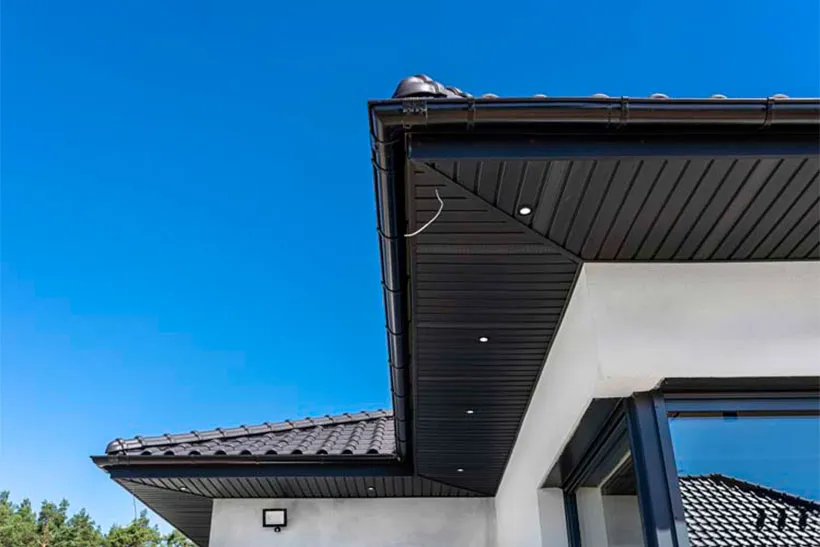
To put it simply, fascia boards are the long, horizontal boards that sit just below the edge of the roof. They are fixed directly to the lower ends of the roof trusses and are usually where the gutters are attached. The soffit, on the other hand, is the board tucked underneath the fascia. It's the exposed surface you see when you look up at your roofline from the ground.
While they may seem purely aesthetic at first glance, their function is critical. The fascia supports the bottom row of roof tiles and the guttering, helping channel rainwater away from your home’s walls and foundation. The soffit provides ventilation to your attic and roof space, reducing moisture build-up and helping prevent mold and timber rot.
Signs You Need a Fascia and Soffit Replacement
Homeowners often miss the early warning signs of fascia and soffit failure. Since these components are located at the edge of the roof and aren’t always in clear view, deterioration can be slow and invisible—until it becomes a major issue. Knowing what to look for can help you take action before the damage worsens.
One of the first signs is peeling or flaking paint. This might not sound like a big issue, but it's often an indication that moisture is penetrating the material. If left unchecked, this can lead to rot, especially in wooden fascias. You might also notice cracks or holes in the boards, which not only compromise structural integrity but also allow pests to enter your roof space.
Another clear signal is sagging or detached gutters. Since gutters are mounted on the fascia, any weakness in the fascia board can cause the entire system to droop or pull away. Similarly, stained walls or ceilings inside your home can point to water getting in through faulty soffits or fascias.
Benefits of Replacing Old Fascia and Soffit
Replacing your fascia and soffit doesn’t just solve immediate problems; it also adds long-term value and protection to your home. First and foremost, new roofline components improve waterproofing. They prevent rain from seeping into the roof structure and keep out debris and pests that can nest and cause damage.
Modern materials like uPVC also offer a maintenance-free solution. Unlike timber, uPVC does not rot, warp, or require regular painting. It also provides superior resistance against insects, mold, and weather changes, which is particularly important in the UK’s climate.
Additionally, new fascia and soffits can improve ventilation. Properly ventilated soffits help regulate temperature and humidity in the attic space, protecting your insulation and preventing the growth of harmful mold.
A final but important benefit is the aesthetic enhancement. A clean, well-finished roofline instantly improves curb appeal, which can be important if you ever plan to sell the property. It gives your home a neat, well-maintained appearance—something that potential buyers always notice.
Step-by-Step Process of Fascia and Soffit Installation
Understanding the process of replacing fascia and soffits can make the experience less daunting and more predictable. Here’s a breakdown of how professional roofing contractors typically handle the job.
The first step involves a thorough inspection of the current roofline. This includes checking the fascia and soffit boards for rot, cracks, and water damage, and inspecting the condition of the supporting rafters. If rot has spread to the rafter ends, those may need treatment or replacement as well.
Next comes the removal of the existing boards. This part of the job must be done carefully to avoid damaging the roof or underlying structure. If your guttering system is attached to the fascia, it will be taken down and either cleaned for reuse or replaced, depending on its condition.
Once the area is cleared, the new fascia boards are cut to size and securely fixed to the rafters. After that, soffits are measured and installed underneath. Ventilation options may be added at this stage if your old boards lacked them. In some cases, over-fascia vents are installed as an alternative to ventilated soffits.
The final part of the job is reattaching or installing new gutters. Once everything is sealed, aligned, and tested, the site is cleaned, and your new roofline is ready to stand strong for the next couple of decades.
How Much Does Fascia and Soffit Replacement Cost in the UK?
Cost is always a concern for homeowners, especially with large exterior projects. In the UK, the cost to replace fascia and soffits depends on several factors, including the material you choose, the size and height of your home, and whether scaffold access is required.
On average, homeowners can expect to pay between £1,000 and £2,500 for a full replacement on a typical semi-detached property. This includes both materials and labour. Larger properties, like detached houses or homes with complex rooflines, may see costs rise to £3,000 or more.
Material choice plays a major role in the overall cost. Timber is generally cheaper upfront but comes with ongoing maintenance costs. uPVC fascia and soffit boards are more expensive initially but offer better longevity and minimal upkeep, making them a popular choice across the UK.
Scaffolding costs are another key factor. Most roofline replacements require scaffold for safe access, which can add between £500 and £1,000 depending on your location and the height of your home.
Best Materials for Long-Term Roofline Protection
The materials you choose for fascia and soffits can significantly affect not only the price but also the durability and appearance of your home. Traditionally, wooden fascia boards were the standard, especially in older UK homes. While they look great, they require constant repainting and are vulnerable to rot and insect infestation.
In contrast, uPVC (unplasticized polyvinyl chloride) has become the most commonly used material for modern fascia and soffit installations. It is strong, weather-resistant, and doesn’t need painting. uPVC is available in a variety of colours and finishes, including woodgrain effect for a classic look.
Other options include aluminium and composite materials, though these tend to be more expensive and are often used in high-end or bespoke projects.
If you're unsure which material suits your home best, a qualified contractor can assess your property and recommend the most appropriate option.
Choosing a Professional Roofline Contractor
Selecting the right contractor is arguably as important as choosing the right materials. A poor installation can lead to structural issues, water damage, and early replacement—even if you invest in high-quality materials.
When looking for a reliable contractor, always check for relevant experience, especially with fascia and soffit replacement. Ask for before-and-after photos of previous jobs, request references, and check online reviews. Make sure they are transparent about pricing and provide a detailed quote before starting any work.
It’s also wise to ask whether they provide warranties or guarantees on both materials and labour. A trusted company will usually offer at least a 10-year guarantee on uPVC products, along with workmanship assurances.
Fascia and Soffit Maintenance Tips After Installation
Once your new fascia and soffits are installed, minimal maintenance is required—especially if you've opted for uPVC. However, routine checks are still a good idea. Walk around your property every six months and after major storms to ensure everything looks secure and aligned.
Here are two simple but effective maintenance practices:
- Clean the guttering system twice a year to prevent clogs that can stress the fascia.
- Wipe down the soffits and fascia annually using a gentle detergent and water to maintain appearance and check for damage.
Keeping vegetation trimmed back around your roofline will also prevent staining and physical damage from branches or falling debris.
Final Thoughts
Fascia and soffit replacement may not be the most glamorous home improvement, but it’s undeniably one of the most essential for long-term structural integrity and weather protection. Ignoring damaged or decaying boards can lead to major roofing problems, internal leaks, and reduced property value.
Whether you're planning a full roofline upgrade or simply want to prevent future issues, investing in quality materials like uPVC and working with a trusted contractor will save you money and stress in the long run.
If you're noticing signs like cracked boards, sagging gutters, or peeling paint, it might be time to consider a professional inspection. Taking proactive steps today ensures your home stays secure, efficient, and beautiful for years to come.