
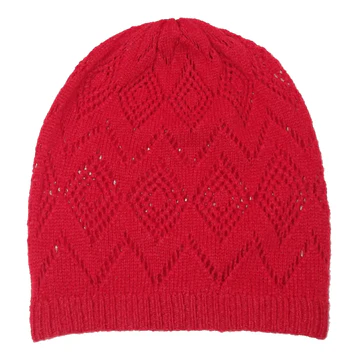
Winter accessories are chosen not only for warmth but also for comfort, durability, and style. Among premium cold-weather essentials, a cashmere hat is often appreciated for its softness, insulating properties, and refined appearance. However, not all options offer the same quality or performance. Understanding key factors before making a purchase helps ensure that the hat meets practical needs while maintaining long-term value.
Fiber Quality and Grade
The quality of cashmere depends largely on the fineness and length of the fibers used. Finer fibers feel softer against the skin and are less likely to cause irritation, while longer fibers contribute to durability and resistance to pilling. High-quality fibers result in a smoother texture and a more consistent appearance.
Evaluating fiber quality helps distinguish well-crafted pieces from those that may lose shape or softness over time. Even subtle differences in fiber grade can significantly affect comfort and longevity.
Warmth and Insulation
Cashmere is known for providing excellent insulation without excessive bulk. When selecting a winter hat, it is important to consider how well it retains heat while remaining breathable. Effective insulation keeps warmth close to the body while allowing moisture to escape, preventing discomfort during extended wear.
The thickness of the knit and the density of the fibers both play a role in thermal performance. A well-balanced design ensures warmth without feeling heavy or restrictive.
Knit Structure and Construction
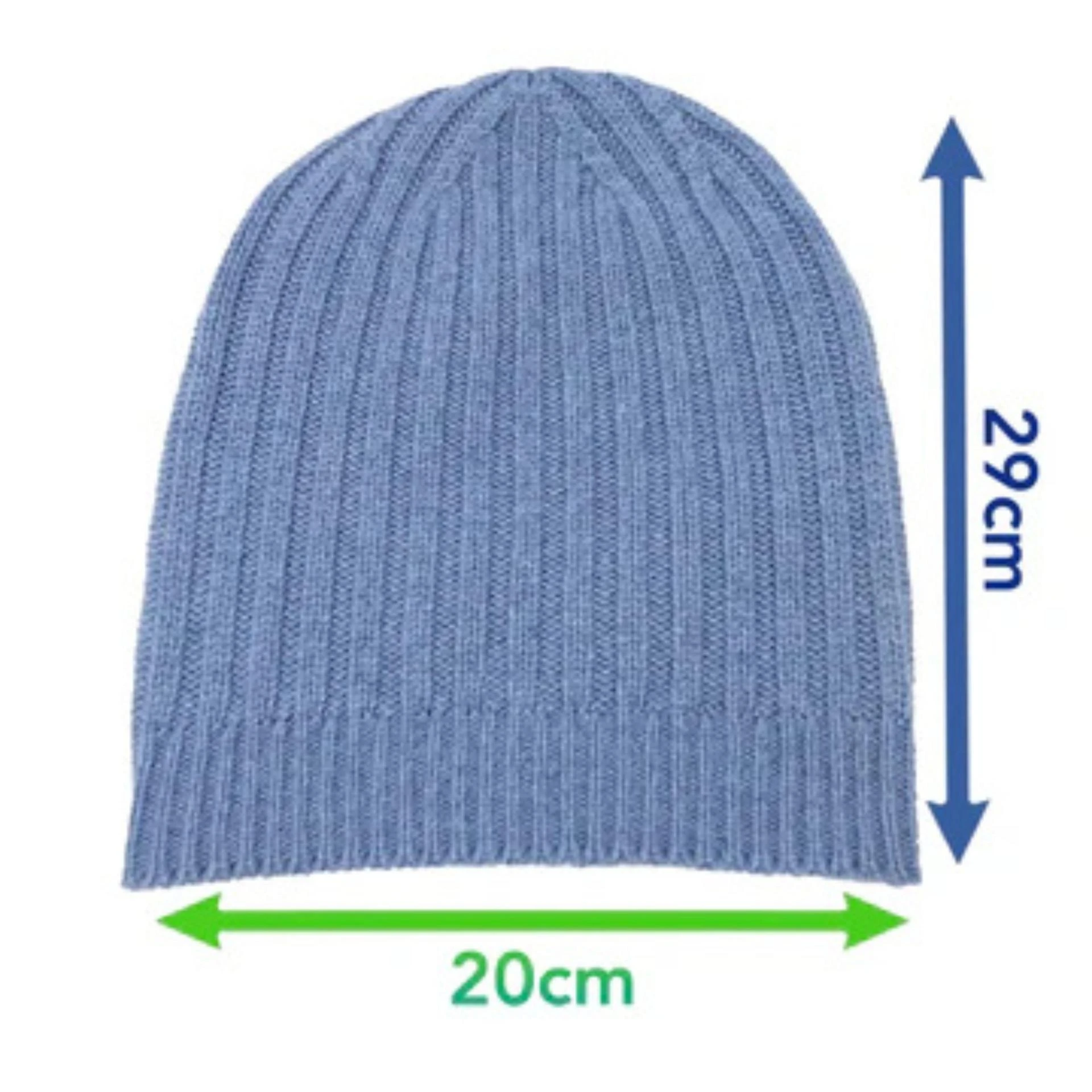
The way a hat is knitted influences its stretch, shape retention, and overall durability. Tighter knits tend to provide better wind resistance and structure, while looser knits offer a softer drape and relaxed fit.
In the middle of the decision-making process, buyers often compare how a cashmere hat holds its shape after repeated use. Consistent stitching and reinforced edges indicate careful construction and contribute to long-term wearability.
Fit and Comfort
Fit is a crucial factor, as an ill-fitting hat can be uncomfortable and impractical. A good fit should feel snug without causing pressure, allowing the hat to stay in place while accommodating natural movement.
Elasticity also matters. Natural stretch helps the hat adapt to different head shapes while maintaining its form. Comfort is further enhanced by smooth seams and a balanced weight that does not feel cumbersome.
Breathability and Moisture Control
Although warmth is essential, breathability is equally important. Cashmere naturally regulates temperature, helping to prevent overheating in variable conditions. This makes it suitable for both outdoor activities and everyday wear.
Effective moisture control keeps the head dry and comfortable, especially in changing weather. A well-made hat balances insulation with airflow to support all-day comfort.
Color and Style Versatility
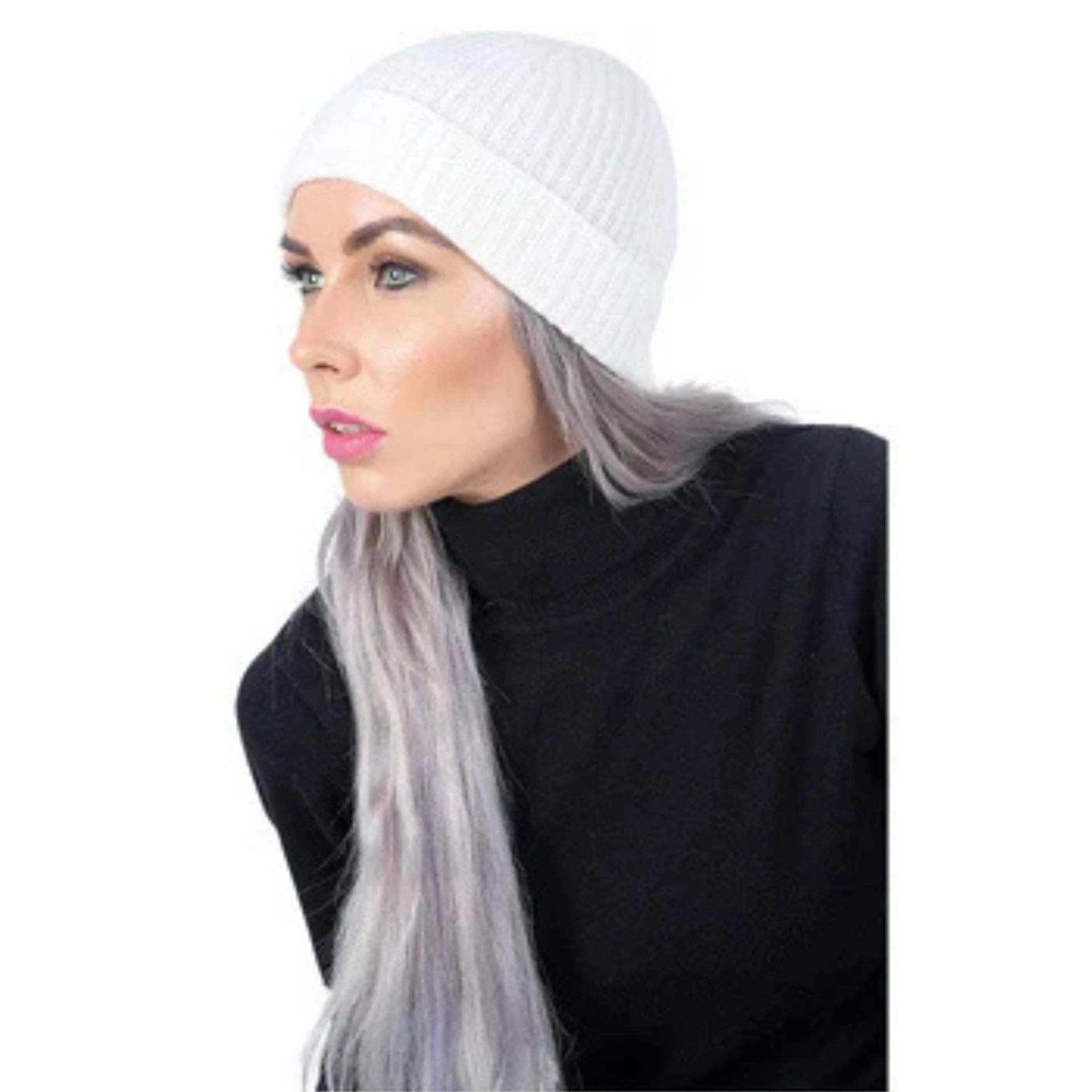
Choosing a color that complements existing winter clothing increases versatility. Neutral tones often blend easily with different outfits, while richer shades can add visual interest without overwhelming the look.
Style considerations also include shape and design simplicity. Minimal designs tend to remain timeless, allowing the accessory to stay relevant across multiple seasons and fashion trends.
Maintenance and Care Requirements
Proper care plays a significant role in preserving quality. Some cashmere items require gentle washing and careful storage to prevent damage. Understanding maintenance needs helps set realistic expectations and prevents premature wear.
Storage practices, such as keeping the hat folded and protected from friction, help maintain its texture and shape. Buyers who consider care requirements upfront are more likely to enjoy long-term satisfaction.
Durability and Longevity
Durability depends on fiber quality, construction, and how the hat is used. High-quality materials combined with thoughtful craftsmanship result in accessories that maintain their appearance over time.
Resistance to pilling is another indicator of longevity. While some pilling is natural, excessive pilling may suggest lower-quality fibers or construction.
Seasonal and Climate Considerations
Climate influences how often and how comfortably a hat can be worn. Lightweight options are suitable for milder winters, while denser knits offer better protection in colder environments.
Understanding seasonal needs ensures the accessory provides practical value rather than becoming an occasional-use item.
Personal Preference and Lifestyle
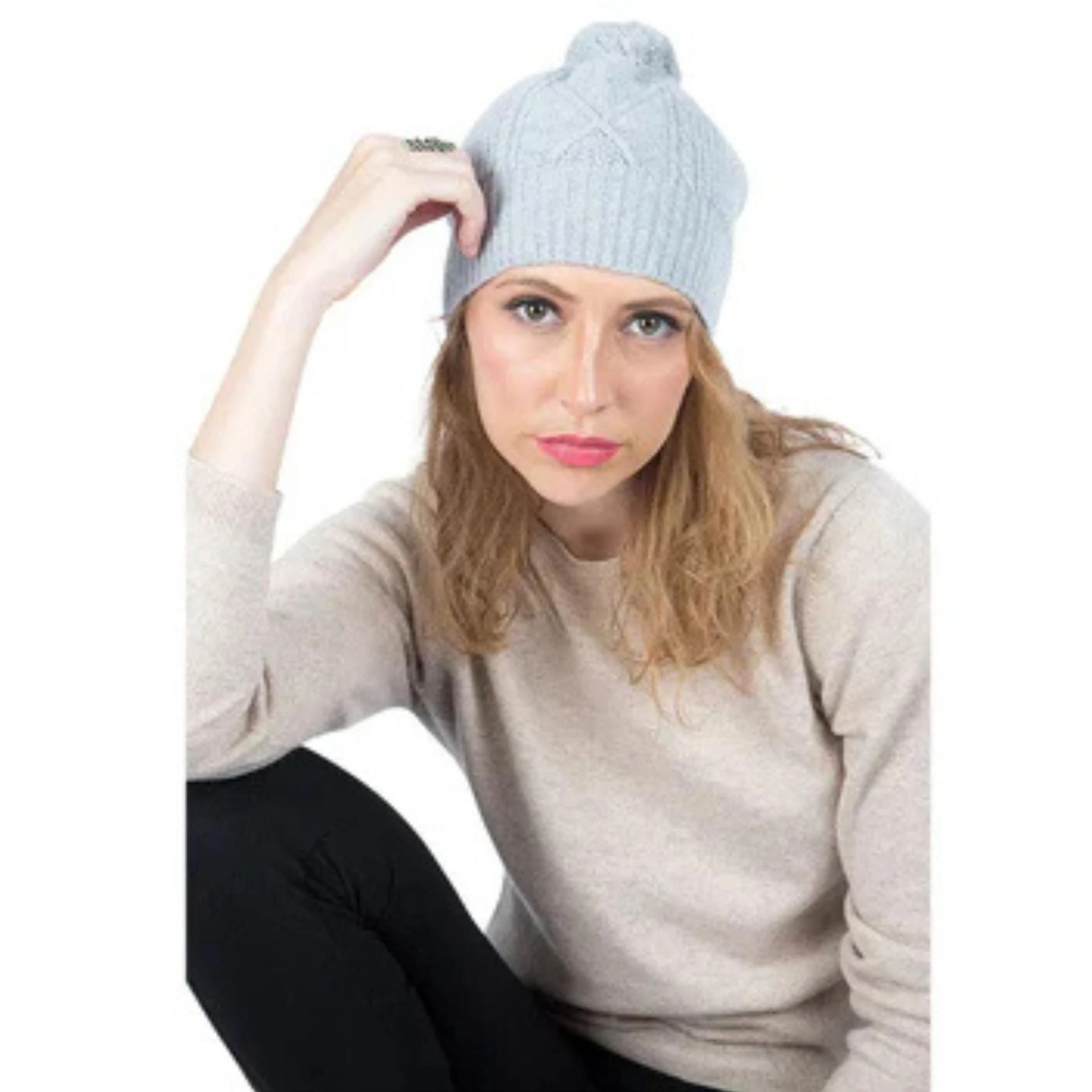
Ultimately, personal style and daily routine should guide the final choice. An accessory that aligns with one’s lifestyle is more likely to be worn regularly and appreciated over time.
Balancing aesthetics with function helps create a thoughtful and satisfying purchase.
Conclusion
Selecting the right winter accessory involves evaluating material quality, construction, comfort, and care requirements. By considering these factors carefully, buyers can make informed choices that offer both practicality and refinement. A thoughtfully chosen cashmere hat delivers warmth, comfort, and timeless appeal, making it a valuable addition to any cold-weather wardrobe.