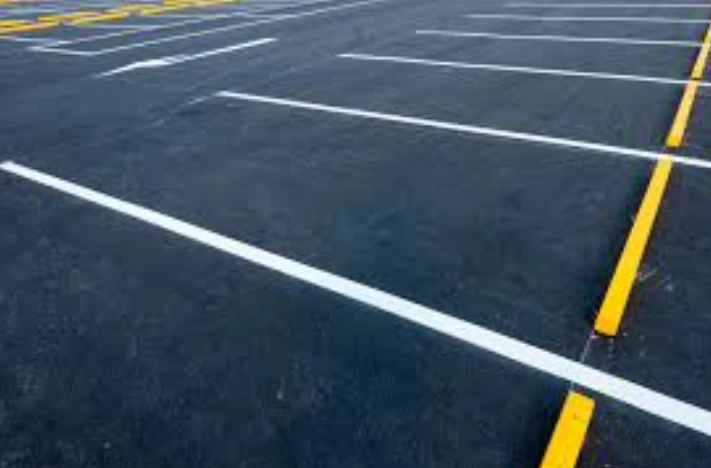
Property owners often focus on visible improvements such as landscaping, lighting, or exterior renovations. However, clearly marked pavement is just as important for safety, organization, and compliance. Understanding parking lot striping cost requires more than looking at a price per line. Multiple variables influence the final expense, and overlooking them can lead to inaccurate budgeting or unexpected charges.
Breaking Down the Basics of Striping Costs
Striping is not a one-size-fits-all service. A small office lot with 25 spaces differs significantly from a commercial complex with 300 stalls, multiple drive lanes, and designated loading zones.
The overall parking lot striping cost typically depends on:
● Total number of parking stalls
● Linear footage of painted lines
● Presence of directional arrows, crosswalks, and symbols
● Type of paint or coating selected
● Surface condition of the asphalt
Think of striping like tailoring a suit. The final price reflects measurements, material quality, and custom details rather than a flat fee.
Surface Condition and Preparation
Surface preparation significantly influences project pricing. Applying paint on damaged pavement is similar to writing on crumpled paper; the result lacks durability and clarity.
Cleaning and Debris Removal
Oil stains, dust, and loose gravel interfere with paint adhesion. Proper cleaning, often using blowers or pressure washing, is essential.
Crack Filling and Minor Repairs
If cracks run through parking stalls, paint lines may break apart as the pavement shifts. Filling cracks before striping improves longevity.
Sealcoating Coordination
When striping follows sealcoating, costs may shift slightly. Sealcoating provides a smoother surface for paint but requires adequate curing time before striping begins.
Neglecting preparation may reduce upfront cost, but premature fading or peeling often leads to earlier re-striping expenses.
Paint Types and Material Choices
Material selection directly impacts durability and long-term value.
Water-Based Traffic Paint
This option is widely used due to its affordability and quick drying time. It works well for moderate traffic environments such as office buildings or residential communities.
However, in high-traffic retail centers, it may wear faster, requiring more frequent maintenance.
Oil-Based Paint
Oil-based coatings generally provide stronger adhesion and improved durability. They may cost more initially, but can reduce the frequency of repainting.
Reflective Additives
Glass bead additives improve nighttime visibility by reflecting headlights. While they slightly increase material costs, they enhance safety in dimly lit areas.
Thermoplastic Applications
Thermoplastic materials bond more permanently with pavement. They are more expensive upfront, but often last several years longer than traditional paint.
Choosing between these materials involves balancing short-term budget constraints against long-term maintenance cycles.
Re-Striping Versus New Layout Costs
Re-striping an existing layout typically costs less than designing a new configuration. When lines are simply refreshed in their current positions, measurement time decreases.
However, if a property owner decides to redesign the lot, costs increase due to:
● Removal or blacking out of old lines
● Re-measuring stall dimensions
● Reconfiguring traffic flow
Consider a hypothetical office complex upgrading to include additional accessible spaces. Adjusting the layout requires compliance measurements, stencil application, and potential removal of outdated markings.
The analogy here is remodeling a room versus repainting it. Repainting refreshes what already exists; remodeling changes the structure, which demands additional planning and labor.
Labor and Scheduling Factors
Labor costs depend on project size, crew experience, and timing.
Off-Hours Scheduling
Many commercial properties require striping during evenings or weekends to minimize disruption. After-hours work may increase labor rates slightly.
Weather Constraints
Ideal weather conditions are necessary for proper paint curing. Rain or excessive humidity can delay projects. Contractors may adjust schedules to ensure quality results.
Traffic Control Measures
Large properties may require temporary barricades or signage to redirect vehicles during the striping process. These additional safety measures can influence pricing.
Budget Planning Tips for Property Managers
Understanding cost variables helps property managers allocate funds effectively.
Plan Maintenance Cycles
Instead of waiting for complete fading, schedule regular touch-ups. Smaller, consistent projects often cost less than full re-striping after severe wear.
Bundle Services
Combining striping with sealcoating or minor pavement repairs may reduce overall mobilization expenses.
Evaluate Cost Over Time
A lower upfront bid may result in higher cumulative expenses if paint fades quickly. Comparing five-year maintenance projections offers a clearer financial picture.
Hidden Costs to Consider
Compliance Penalties
Improperly marked accessible spaces can lead to fines. Correcting non-compliant markings after inspection adds unexpected costs.
Business Disruption
Poor scheduling can temporarily reduce parking availability, affecting customer access. Strategic planning minimizes revenue impact.
Liability Exposure
Faded crosswalks or unclear fire lanes may increase risk. Investing in clear markings reduces potential legal claims.
Long-Term Value Perspective
Well-maintained striping supports organized traffic flow, enhances safety, and preserves property aesthetics. While pricing varies based on materials, layout, and preparation, understanding cost drivers allows property owners to make informed decisions.
Viewing parking lot striping cost through a long-term lens encourages proactive maintenance rather than reactive repairs. Careful planning ensures that painted lines continue serving their purpose efficiently and professionally.
Conclusion
Parking lot striping is more than paint applied to pavement. It is a structured system that influences safety, compliance, and operational efficiency. From material selection to layout complexity, multiple factors determine overall project expenses.
By evaluating size, preparation needs, material durability, and scheduling considerations, property managers can budget accurately and maintain organized parking environments for years to come.